
Blooming
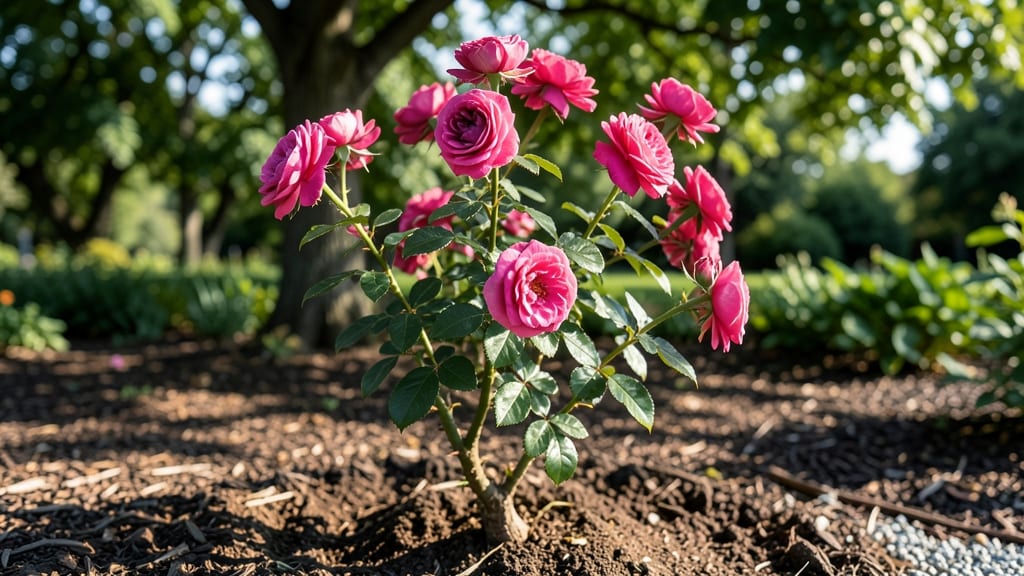
Peggy Martin roses do bloom all summer long when given full sun exposure and well-drained soil, with heat-triggered flowers appearing continuously from early June until frost. Their extended blooming depends on proper care and seasonal adjustments.
These roses thrive in summer heat because their blooming cycle is directly linked to temperature shifts. 🌞 Unlike spring-blooming varieties, Peggy Martins respond to consistent warmth by producing new buds throughout the season. I've seen them continue flowering even in 90°F+ temperatures when soil stays moist and roots stay cool.
The key is balancing sun exposure with regular watering—too much shade or drought stress can trigger early dormancy.
What many gardeners don't realize is that these roses actually rebloom after their initial spring flush, but only if you prune correctly. I recommend removing spent blooms immediately (deadheading) and cutting back leggy stems by one-third in early summer to encourage bushier growth.
The well-drained soil requirement isn't just about preventing root rot—it's about maintaining consistent moisture without waterlogging, which can stress the plant during peak heat.
💡 In This Article
- How Heat and Sunlight Trigger Peggy Martin Rose Reblooming
- Pruning and Care Tips for Year-Round Peggy Martin Rose Blooms
How heat and sunlight trigger Peggy Martin rose reblooming
The Peggy Martin rose's summer-long blooming habit stems from its classification as a heat-loving, repeat-flowering hybrid tea rose. Unlike once-blooming varieties, this rose produces flowers continuously because its genetic makeup responds to consistent temperatures above 70°F.
The process begins when daytime temperatures rise, stimulating the plant's hormonal system to produce florigen—a flowering hormone that triggers bud formation. This is why you'll see new blooms appearing every 4-6 weeks throughout summer, rather than one massive flush in spring.
Sunlight duration plays a critical role in this cycle. Peggy Martin roses need at least 6-8 hours of direct sunlight daily to maintain their blooming momentum. The key mechanism here is photosynthesis optimization: longer sunlight exposure means more energy production, which the plant redirects toward flower development.
What's fascinating is how these roses adapt to summer heatwaves—when temperatures exceed 90°F, they enter a temporary metabolic slowdown but resume blooming as soon as conditions cool slightly. This adaptability explains why they continue flowering even when other roses struggle in peak summer heat.
Well-drained soil isn't just about preventing root rot—it's about maintaining the right moisture balance for continuous blooming. The roots need oxygen to function properly, and compacted or waterlogged soil suffocates them, triggering stress responses that can halt flowering.
I've observed that Peggy Martins grown in sandy loam soil with a pH between 6.0-6.5 produce the most consistent blooms because this environment allows roots to absorb water efficiently while preventing nutrient buildup that could inhibit growth.
The soil temperature also matters—roots prefer 60-70°F soil temps, which is why mulching helps maintain consistent ground temperatures during summer heat.
Here's what happens when conditions aren't ideal: insufficient sunlight reduces energy production, while inconsistent watering causes hormonal imbalances that prevent bud formation. Even in perfect conditions, these roses follow a 3-phase blooming cycle: initial spring flush, summer reblooming, and potential fall flush before dormancy.
The summer reblooming phase is most sensitive to care practices, which is why proper maintenance becomes crucial during these months. 🌿
Consider this comparison: a Peggy Martin rose in full sun with proper care might produce 30-50 blooms per season, while one in partial shade with inconsistent watering may only yield 10-15 blooms.
The difference comes down to how well the plant can maintain its energy reserves and hormonal balance throughout the summer months.
This is why gardeners in hot climates often see better results with afternoon shade during peak heat—it protects the flowers from scorching while still allowing plenty of morning sun for energy production.
The botanical secret lies in these roses' ability to reallocate resources during heat stress. When temperatures rise, the plant prioritizes root growth and flower development over foliage expansion, which is why you'll see fewer leaves but more blooms during summer.
This resource management is what makes Peggy Martins such reliable summer performers compared to other rose varieties that may go dormant during heatwaves.