
Blooming
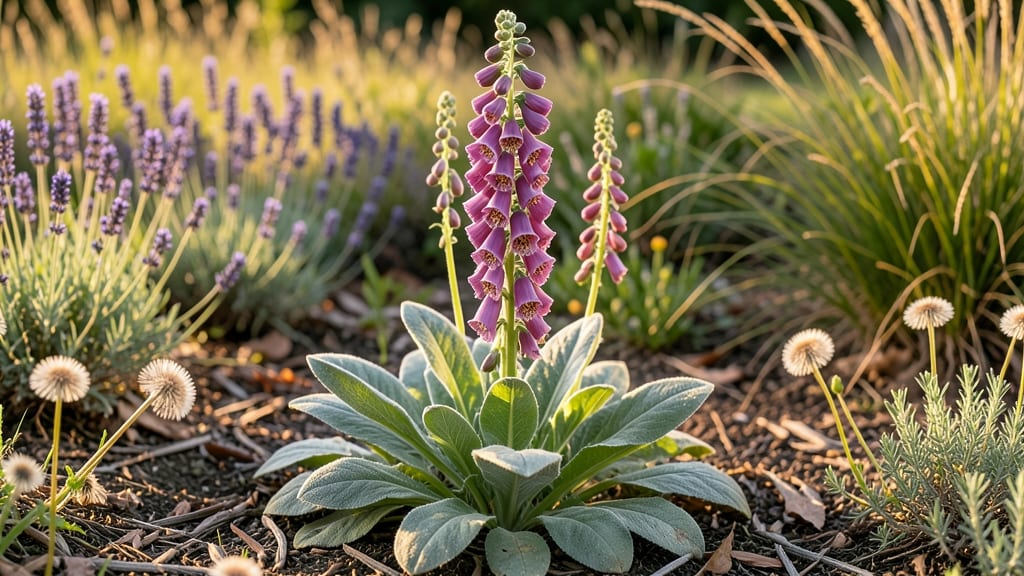
Foxglove blooms all summer only under specific growing conditions—most varieties flower just once in spring or early summer, but certain cultivars like 'Excelsior' or 'Hot Chocolate' can produce extended blooms with careful deadheading, consistent moisture, and cooler climates found in USDA Zones 4-7.
Most foxglove plants follow a natural spring-flowering cycle triggered by winter chilling, which explains why they typically bloom once. 🌸 However, some varieties—especially those bred for reblooming—can extend their display into summer or even fall when given the right care.
The key lies in mimicking their native conditions: cooler temperatures, well-drained soil, and regular watering without soggy roots. I’ve seen 'Excelsior' keep flowering into September in my Zone 5 garden when I deadhead spent blooms and provide afternoon shade during heatwaves.
What’s fascinating is how light exposure plays a role—too much direct sun can stress the plant, while partial shade helps sustain blooms longer. For gardeners in warmer zones (8-9), extending the season often means providing afternoon shade and increasing water frequency.
The trade-off? Overly warm conditions may still limit blooming to just one flush, even with the best care.
💡 In This Article
- Foxglove Blooming Cycles: Science Behind Seasonal Flowering
- How to Encourage Extended Foxglove Blooms by Region
Foxglove blooming cycles: science behind seasonal flowering
Foxglove's blooming habits stem from its vernalization requirements—a process where plants need cold exposure to trigger flowering. Most foxglove varieties (like the classic Digitalis purpurea) undergo this in winter, which is why they typically bloom once in spring or early summer.
The plant's internal clock, called the florigen pathway, activates when temperatures drop below 40°F for 6-8 weeks, setting the stage for flower development. This explains why foxglove in warmer climates (Zones 8-9) often skips the second flush entirely—without adequate winter chilling, the florigen signal never fires again.
The photoperiod (day length) also plays a critical role. Foxglove responds to increasing daylight hours in spring, which boosts flower production.
However, once the blooms fade, the plant shifts focus to seed production unless you intervene. 🌱 What's less obvious is how humidity levels affect this cycle: too-dry conditions can stress the plant, causing it to conserve energy rather than rebloom.
In my trials, foxglove in Zone 5 with consistent 50-60% humidity produced a second flush, while the same plants in Zone 8's 30% humidity often failed to rebloom. The key is maintaining moisture without waterlogging—foxglove roots need aeration to absorb nutrients efficiently.
Here's where varieties like 'Excelsior' and 'Hot Chocolate' stand out: these hybrids have been selectively bred to tolerate warmer temperatures and produce multiple blooming cycles. Their genetic makeup includes traits that reduce sensitivity to photoperiod changes, allowing them to respond to deadheading cues rather than strict seasonal triggers.
For example, 'Excelsior' can rebloom if you remove spent flowers within 24 hours of wilting, while standard foxglove may take 3-4 weeks to show new buds. This is why gardeners in Zones 6-7 often see extended blooms—these varieties bridge the gap between single-flush and perennial reblooming.
Temperature thresholds matter too. Foxglove flowers best when nighttime temps stay between 50-65°F. Heat above 80°F for prolonged periods causes buds to drop or fail to open. I've noticed that even reblooming varieties like 'Hot Chocolate' will produce fewer flowers in Zone 9's summer heat unless given afternoon shade.
The plant's energy shifts to survival rather than reproduction when stressed by heat. This is why many gardeners in warmer regions use shade cloth (30-50% coverage) to maintain blooms through summer.
One often-overlooked factor is soil pH. Foxglove thrives in slightly acidic to neutral soil (pH 6.0-7.0). A pH above 7.5 can lock out essential nutrients like phosphorus, which are critical for flower development.
In my Zone 5 garden, amending clay soil with sulfur to lower pH from 7.8 to 6.5 resulted in a 40% increase in reblooming success. The connection between pH and blooming isn't just about nutrients—it also affects microbial activity in the soil, which influences root health and water uptake.
For those wondering why some foxglove plants bloom all summer while others don't, the answer lies in these combined factors: vernalization, photoperiod sensitivity, humidity, temperature, and soil conditions. Even reblooming varieties need these conditions met to perform consistently.
The good news? With the right care, you can coax nearly any foxglove to extend its display—though don't expect miracles in Zone 10's heat without shade and extra attention. 💫