
Blooming
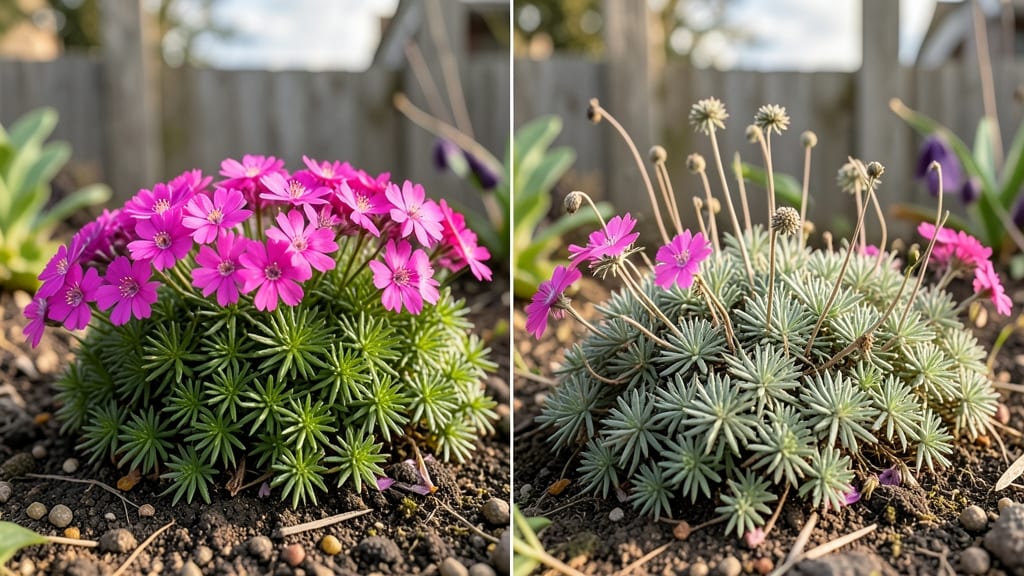
Creeping phlox doesn't bloom all summer—its vibrant display lasts just 4-6 weeks, typically peaking in spring (April-June) with occasional fall reblooming (September-October) depending on your climate zone. Cooler regions (3-6) see shorter blooms, while milder zones (7-9) may enjoy slightly extended flowering with proper care.
Creeping phlox is a spring star with a short but spectacular blooming window. 🌸 The plant's natural growth cycle is triggered by cooler temperatures, which is why you'll see the most intense color bursts in early spring—this is when the plant puts all its energy into producing flowers.
In warmer climates (zones 7-9), you might catch a brief fall show, but even then, it's usually just a few weeks. The key to encouraging any reblooming lies in proper deadheading and seasonal care, which can sometimes coax the plant into a second, smaller round of flowers.
What many gardeners don't realize is that creeping phlox actually enters a period of dormancy after its main bloom. This isn't true for all perennials—it's a specific trait of phlox that makes its flowering season so predictable. The good news?
With the right pruning and fertilization schedule, you can help your phlox make the most of its natural blooming window and even encourage a modest fall display. Think of it as a seasonal performance rather than a year-round show.
💡 In This Article
- Creeping Phlox Blooming Seasons by USDA Hardiness Zones
- Extending Creeping Phlox Blooms: Pruning and Care Tips
Creeping phlox blooming seasons by USDA hardiness zones
The blooming window of creeping phlox is directly tied to temperature cues it receives from its environment. In cooler zones (3-6), where winters are harsh and summers mild, the plant typically blooms for just 3-4 weeks in late spring (May-June).
The flowers respond to the 10-14°F temperature drop in fall by entering dormancy, which resets its growth cycle. This is why you won't see summer blooms in these regions—the plant conserves energy for next year's spring display.
Warmer zones (7-9) offer a slightly extended season, with blooming lasting 4-6 weeks in spring (April-May) and sometimes a 2-3 week fall rebloom (September-October).
The milder winters prevent the deep dormancy seen in cooler climates, allowing the plant to produce a second, smaller flush of flowers when temperatures dip in autumn.
For example, in zone 8, you might see flowers appear in early April, peak in May, then make a brief return in late September before frost arrives.
The plant's heat sensitivity plays a crucial role here. Creeping phlox thrives when daytime temperatures stay below 80°F—above this threshold, the flowers bolt (produce seed pods) prematurely, cutting short the blooming period.
This is why summer blooms are impossible: the plant's natural cycle is designed to complete its flowering before the heat of mid-summer arrives.
In zone 9, where summers can exceed 90°F, you'll often see the spring bloom end by early June, with any fall rebloom appearing only after temperatures drop below 75°F consistently.
Sunlight exposure also affects blooming duration. While creeping phlox prefers full sun (6-8 hours daily), too much intense summer sun can accelerate bolting. In cooler zones, the lower sun angle in spring provides just enough light without overheating the plant.
In contrast, the high summer sun in warmer zones forces the plant into stress mode, triggering its survival mechanisms—dormancy or seed production—rather than extended flowering. 🌞
Here's what the science shows: Creeping phlox is a short-day plant, meaning its flowering is triggered by decreasing daylight hours rather than specific temperatures. This explains why you see blooms in spring (when days are lengthening but temperatures are still cool) and sometimes in fall (when days shorten again).
The plant's internal clock measures daylight duration, and when it detects the transition from long summer days to shorter autumn days, it may produce a second bloom cycle—though this is always smaller than the spring display.
Consider this real-world example: In zone 5, where winters are cold and summers hot, creeping phlox typically blooms for exactly 4 weeks in May before going dormant.
Gardeners in zone 8 might see 6 weeks of spring blooms plus a 3-week fall show if they provide consistent moisture and deadhead spent flowers.
The difference comes down to how quickly the plant can transition between growth phases—cooler climates force a faster dormancy, while milder zones allow for a more gradual process.