
Blooming
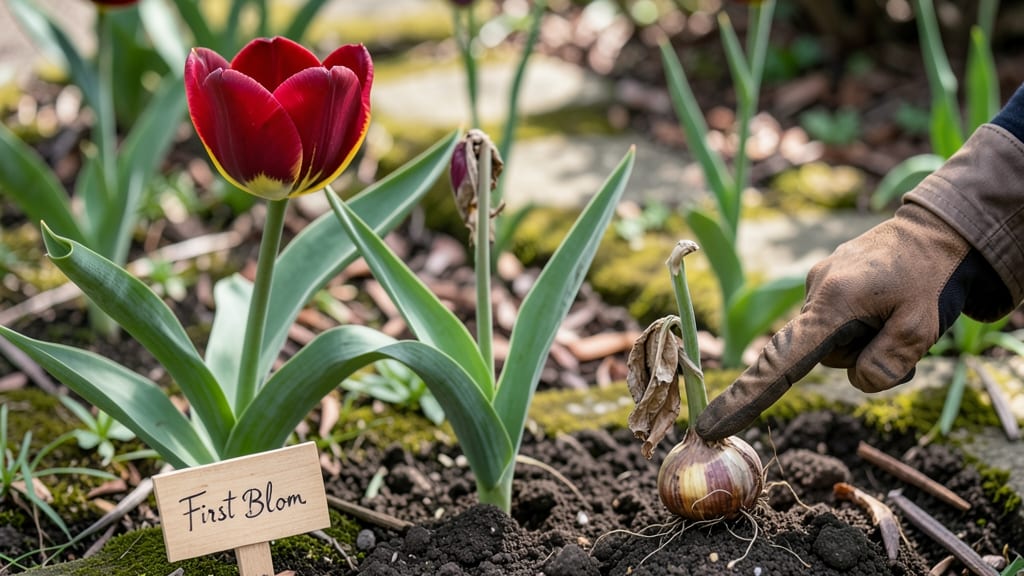
Most tulips bloom only once per season, but varieties like Darwin Hybrid, Fringed, or Parrot tulips can produce multiple blooms with proper care—including deadheading and regular fertilization. Standard tulips need bulb division every few years to maintain vigor.
Not all tulips follow the "one-and-done" rule—it depends on the variety and your gardening approach. 🌷 The key difference lies in how tulips allocate energy: single-bloom types exhaust their reserves after flowering, while reblooming varieties store enough nutrients to attempt a second bloom.
Darwin Hybrid tulips, for example, are famous for their ability to rebloom when given the right conditions, including consistent moisture and balanced fertilization during the growing season.
Even for standard tulips, you can extend their lifespan by practicing bulb division every 3-4 years. This prevents overcrowding and helps bulbs rebuild energy stores.
The secret to encouraging reblooms isn't just about cutting spent blooms—it's about creating an environment where the plant feels supported to invest in another flowering cycle. Think of it like giving your tulips a second chance to shine.
💡 In This Article
- Why Most Tulips Bloom Only Once: The Science of Flowering Cycles
- How to Encourage Reblooming in Tulips: Step-by-Step Gardening Tips
Why most tulips bloom only once: the science of flowering cycles
Tulips bloom just once per season because their flowering process is an energy-intensive event that depletes their stored nutrients. When a tulip flower opens, it consumes the bulb's glycogen reserves—similar to how your body burns glucose during intense exercise.
This energy drain forces the bulb into a dormancy phase to recover, which is why most varieties prioritize storing nutrients for next year's growth over producing another bloom in the same season.
The key difference between single-bloom and reblooming varieties lies in their photosynthetic efficiency. Standard tulips like Triumph or Parrot types rely almost entirely on stored bulb energy, while rebloomers like Darwin Hybrids develop stronger stems and leaves that can photosynthesize more effectively.
This allows them to generate additional energy through sunlight exposure, supporting a second flowering cycle. For example, Darwin Hybrid bulbs can produce up to 30% more foliage than single-bloomers, giving them the edge to attempt reblooming.
Light exposure plays a crucial role in this process. Tulips are long-day plants, meaning they respond to increasing daylight hours in spring. When you see tulips blooming in early spring, they're actually responding to the 12-14 hours of daylight they receive.
However, by late spring when days lengthen further, most tulips have already allocated their energy. Reblooming varieties can handle this extended light exposure better because their stronger foliage continues producing energy through the summer months.
Another critical factor is the temperature sensitivity of tulip bulbs. After flowering, bulbs need 6-8 weeks of consistent temperatures between 50-60°F to properly replenish their energy stores.
If summer temperatures spike too quickly or remain consistently high, bulbs may enter dormancy prematurely, leaving them too weak to attempt a second bloom. This is why reblooming success often depends on your local climate—cooler northern regions tend to see more reliable reblooming than hotter southern areas.
Consider the botanical trade-off tulips make: each bloom represents a significant investment of the bulb's resources. For most varieties, producing just one spectacular bloom is more efficient than attempting multiple smaller blooms.
This evolutionary strategy ensures the species survives by maximizing reproductive success with each flowering event. However, gardeners can influence this process through careful cultural practices that mimic nature's energy conservation strategies.
The leaf-to-bloom ratio is another telling indicator. For every bloom, a tulip should have at least 5-6 healthy leaves to support it. When you see tulips with just 2-3 leaves producing a large bloom, the bulb is already operating at a deficit.
This is why deadheading (removing spent blooms) is so important—it redirects the plant's energy from seed production back into leaf growth, which can sometimes support a second bloom attempt in reblooming varieties.