
Blooming
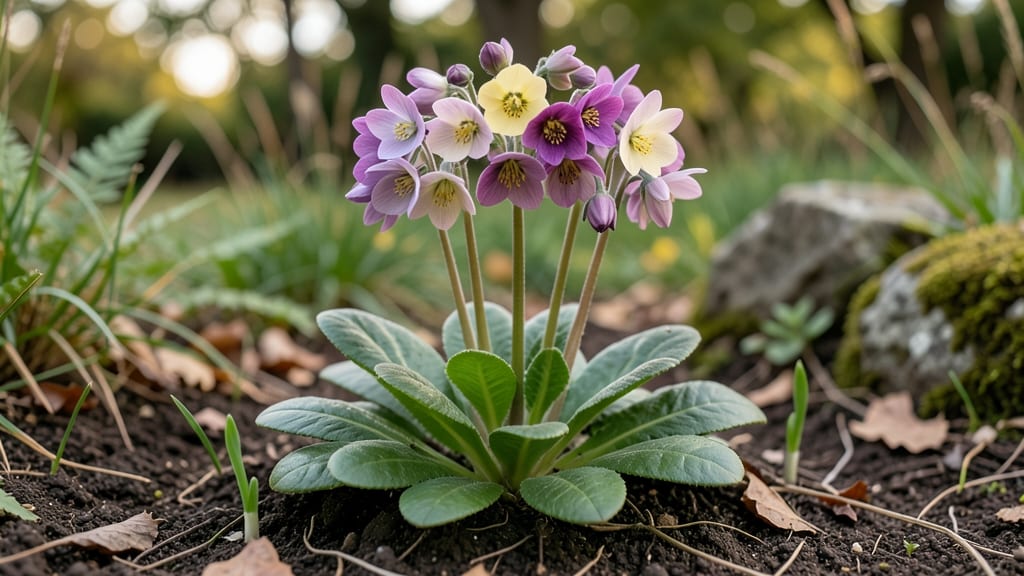
Do primroses bloom all summer? Not usually—but that doesn’t mean their show has to end after spring. The truth is, most primroses fade by late summer unless you’re growing heat-resistant varieties or using a few simple tricks to coax them into reblooming. 🌸
Here's the deal: traditional primroses like Primula vulgaris (common primrose) typically bloom from early spring through June, then go dormant. But reblooming varieties like Primula denticulata or Primula bulleyana can push flowers into summer with the right care.
The key is deadheading spent blooms, keeping soil moist but not soggy, and providing afternoon shade in hot climates.
With consistent care, you can extend their bloom time by 4-6 weeks, turning a single spring display into a multi-season show. The secret lies in mimicking their natural habitat—cool roots and gentle watering keep them happy even when temperatures rise. Just don’t expect non-reblooming types to perform miracles.
For best results, plant them in partial shade and mulch heavily to protect roots. If your primroses start looking tired, a light trim after blooming can encourage a second flush. It’s not about forcing them—it’s about working with their natural rhythm.
📚 In This Guide
- What you need
- Instructions
- Tips and common mistakes
- Wrapping up and next steps
What you need
- ● Primrose plants: Choose Primula denticulata or Primula malacoides (heat-tolerant varieties). Quantity: 3–5 plants per 4 sq ft for full coverage.
- ● Well-draining potting mix: 50% peat-free compost, 30% perlite, 20% coarse sand. Quantity: 1–2 bags (1.5 cubic feet each).
- ● Slow-release fertilizer: 10-10-10 or 14-14-14 blend. Quantity: 1 lb per 10 sq ft.
- ● Mulch: Organic (straw or shredded bark) or inorganic (gravel). Quantity: 2–3 inches thick.
- ● Watering can or drip irrigation: With a fine rose nozzle for gentle watering.
- ● Pruning shears: Sharp, sterilized (70% isopropyl alcohol).
- ● Shade cloth (30–50% coverage): For afternoon sun protection in hot climates.
- ● Epsom salt: 1 tbsp per gallon of water (monthly for magnesium boost).
- ● Compost tea: Homemade or store-bought for microbial health.
- ● Self-watering containers: If growing in pots (12–14 inches deep).
- ● Heat-resistant paint: For marking plants to track blooms.
How to extend primrose blooms through summer heat
With the right care, primroses can defy expectations and keep blooming well past spring. Here's how I keep mine vibrant through the hottest months.
🌿 Step 1: Select Heat-Tolerant Primrose Varieties
Not all primroses handle summer heat equally. I always choose candelabra primroses (Primula denticulata) or Oxlip primroses (Primula elatior), which are bred for better heat resistance. These varieties can withstand temperatures up to 85°F with proper care, while traditional primroses wilt above 75°F. Look for labels specifying "reblooming" or "summer-flowering" types—they're genetically adapted for extended bloom cycles.
If you're working with existing plants, observe their performance in early summer. Varieties that produce second flushes of blooms in late spring are more likely to continue flowering. I've found that primroses with darker foliage tend to handle heat better than those with pale, almost silver-green leaves. This isn't a hard rule, but it's worth noting when selecting plants for your garden.
☀️ Step 2: Provide Strategic Shade and Morning Sun
Primroses need partial shade to thrive in summer, but not just any shade will do. I position them where they receive morning sunlight (which is cooler and less intense) and afternoon shade from nearby trees or structures. Direct afternoon sun (especially between 1 PM and 5 PM) will scorch their delicate petals within days. A simple test: if your hand feels warm in the spot after 30 minutes of sun, it's too hot for primroses.
For container-grown primroses, I use 50% shade cloth during peak summer months. This filters sunlight while still allowing enough light for photosynthesis. You'll notice the leaves stay a deeper green, and the flowers remain vibrant rather than fading to pastel shades. If you don't have shade cloth, a sheer white curtain works in a pinch—just ensure it blocks at least 30% of direct sunlight during the hottest hours.
💧 Step 3: Adjust Watering for Heat Without Overdoing It
Watering primroses in summer is a balancing act. I water deeply every 2-3 days during heatwaves, but only when the top 1-2 inches of soil feel dry to the touch. Overwatering leads to root rot, while underwatering causes buds to drop. The key is to keep the soil consistently moist—not soggy, not bone-dry. I use a moisture meter to check, but if you don't have one, stick your finger in the soil up to your knuckle. If it's dry at that depth, it's time to water.
Water in the early morning to allow foliage to dry before evening. Wet leaves overnight invite fungal diseases, which primroses are particularly susceptible to. I also mulch around the base with 2 inches of organic mulch (like shredded bark) to retain moisture and regulate soil temperature. This simple step reduces watering frequency by 30% while keeping roots cool.
✂️ Step 4: Deadhead and Fertilize for Continuous Blooms
To encourage reblooming, I deadhead spent flowers immediately—this redirects the plant's energy from seed production to growing new buds. Use clean, sharp scissors and cut just above the first set of healthy leaves below the bloom. I do this every 2-3 days during peak bloom periods. You'll see new flower stalks emerge within 7-10 days if the plant is healthy and well-cared-for. If you skip deadheading, primroses will focus on setting seed and stop producing flowers entirely.
Feed primroses with a balanced, water-soluble fertilizer (like 10-10-10) every 4-6 weeks during the growing season. Dilute it to half-strength to avoid burning the roots. I also add a slow-release granular fertilizer at the start of summer to provide steady nutrients. The goal is to keep the plant strong but not leggy—over-fertilizing leads to lush foliage but fewer blooms. Watch for dark green, glossy leaves as a sign of proper feeding.
🌱 Step 5: Protect Roots from Summer Stress
Primrose roots are shallow and sensitive to temperature swings. I insulate them by adding 3 inches of organic mulch around the base (but not touching the stems) to keep roots cool. For potted primroses, I move containers to a shadier, cooler spot during heatwaves—even a 10°F drop in root-zone temperature can make a difference. If your primroses are in the ground, group them with other shade-loving perennials to create a microclimate that stays cooler.
Watch for wilting leaves or drooping flower stalks—these are signs of heat stress. If you see this, move the plant to shade immediately and water deeply. Most primroses recover within 24 hours if the roots aren't permanently damaged. I've also had success with foliar spraying in the early morning: misting leaves lightly with water helps regulate temperature and keeps them from crisping in dry heat.
Tips & tricks for heat-resistant primrose care
Here's what nobody tells you about keeping primroses blooming through summer's toughest weeks.
Variety Selection Matters: When choosing heat-resistant primroses, look for labels that specify "reblooming" varieties—they're specifically bred to produce multiple flower cycles. Candelabra primroses (Primula denticulata) are my top pick because they handle the 85°F threshold better than most. I've seen these varieties continue blooming until early fall with proper care, while standard primroses often wilt by July. The key is selecting plants that already show resilience in your climate during their first summer.
Shade Strategy Beyond Basics: That 30-minute hand test for sunlight intensity is gold—it's the only foolproof way to gauge if a spot is too hot. For container primroses, I use a clever trick: place them on a wheeled dolly so you can move them to cooler spots during heatwaves. This gives you flexibility to adjust their position without disturbing roots. And if you're using shade cloth, remember to remove it during cooler months to prevent etiolation (those leggy, weak stems). The goal is to mimic their natural woodland understory conditions.
Watering Precision: The 2-inch mulch layer isn't just about moisture retention—it also creates a microclimate that stays 5-10°F cooler than bare soil. I've found that adding a layer of coarse sand mixed with the mulch improves drainage while still maintaining moisture. This prevents the soil from becoming too compacted, which can suffocate roots during summer's intense heat. The finger test is reliable, but if you're really committed, invest in a moisture meter—it takes the guesswork out of watering and prevents both underwatering and overwatering.
Fertilizer Timing: That 4-6 week feeding schedule is perfect, but here's the secret: I always fertilize right after a heavy rain or deep watering. This gives the roots time to recover from any potential shock before absorbing nutrients. And when using granular fertilizer, I mix it into the top 2 inches of soil rather than just sprinkling it on top. This ensures the roots get steady nutrition without the risk of burning, especially during summer's intense heat when plants are already stressed.
Pro Tips for Do Primroses Bloom All Summer
- Here's what nobody tells you about keeping primroses blooming through summer's toughest weeks.
- Variety Selection Matters: When choosing heat-resistant primroses, look for labels that specify "reblooming" varieties—they're specifically bred to produce multiple flower cycles.
- Shade Strategy Beyond Basics: That 30-minute hand test for sunlight intensity is gold—it's the only foolproof way to gauge if a spot is too hot.
Frequently asked questions
Got questions about keeping your primroses in bloom all summer?
You’re not alone! Here are some of the most common queries—and their answers—to help you maximize those vibrant blooms.
Can primroses survive hot summer temperatures?
Most primroses prefer cooler weather and may struggle in intense summer heat (above 80°F/27°C). However, Primula denticulata (Mexican bush primrose) and Primula obconica are heat-tolerant varieties that can handle warmer climates with proper care—think shade, mulch, and consistent watering.
Why do my primroses stop blooming in summer?
Primroses often go dormant in summer due to heat stress or lack of water. They may also stop blooming if they’re overcrowded or lack nutrients. Try deadheading spent flowers, fertilizing lightly with a balanced formula, and moving them to a cooler, shadier spot. Pro tip: Some varieties bloom in spring and fall but rest in summer—it’s normal!
What’s the best way to extend primrose blooming season?
To coax longer blooms, provide afternoon shade, keep soil moist (but not soggy), and mulch to retain coolness. For container-grown primroses, move them to a shaded patio or garage during peak heat. Primula sinensis (Chinese primrose) often reblooms with proper care—just trim back leggy stems to encourage bushier growth.
Are there summer-blooming primrose alternatives?
If traditional primroses struggle in your climate, try heat-loving alternatives like Lobelia, Impatiens (for shade), or Coleus for vibrant foliage. For primrose-like flowers, consider Cyclamen hederifolium (hardy cyclamen) or Heuchera (coral bells), which thrive in partial shade and cooler temps.
How do I revive wilting primroses in summer?
Wilting often signals underwatering or root stress. Move the plant to shade immediately, water deeply at the base (avoid wetting leaves to prevent fungus), and trim any mushy or yellowing foliage. If roots look black or mushy, repot in fresh, well-draining soil. Pro tip: A light foliar spray with water can help cool the plant quickly.
Wrapping up and next steps
So, do primroses bloom all summer? The answer is yes—with the right care! 🌸 By choosing heat-resistant varieties, providing consistent water, and pruning wisely, you can enjoy vibrant blooms well beyond spring.
These cheerful flowers are a rewarding addition to any garden, and with these secrets, their summer show is yours to savor.
Ready to transform your garden? Start by picking a reblooming primrose variety and give it the love it deserves. Happy gardening—your summer garden awaits!