
Blooming
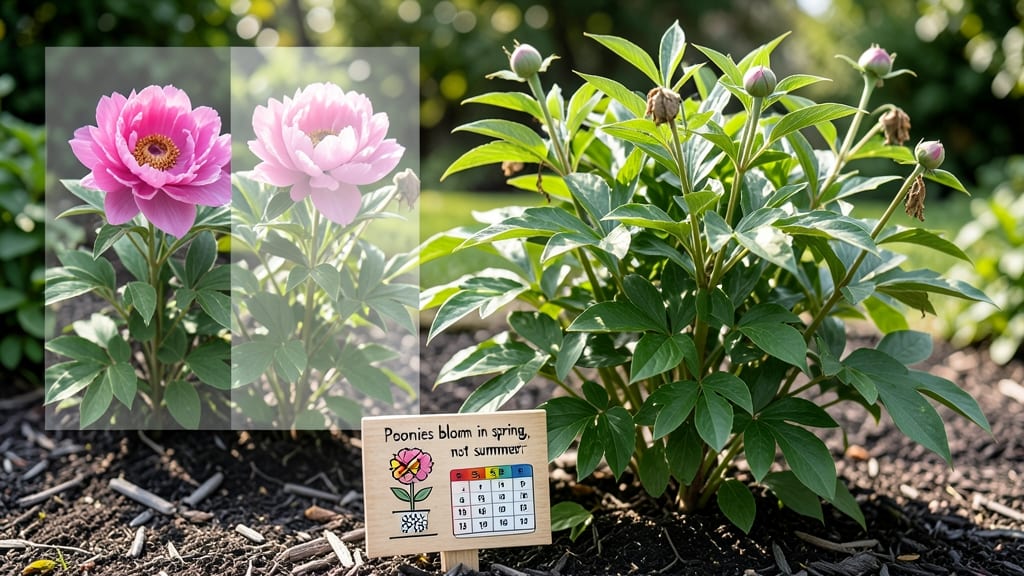
Peonies do not bloom all summer; they typically flower for just 7–10 days annually in late spring, with most varieties peaking in May or June. Some reblooming types may produce a second, smaller flush later in summer, but heat and dormancy needs limit their seasonal display.
Peonies are famous for their dramatic spring blooms, but their short flowering window is actually a survival strategy. 🌸 The plants need cool dormancy periods to reset and prepare for next year's flowers, which is why most varieties focus their energy on one spectacular show.
Even reblooming types—like 'Sarah Bernhardt'—often produce smaller, less vibrant second blooms in late summer, as the heat stresses the plant. If you're dreaming of summer-long peony displays, consider planting multiple varieties with staggered bloom times or choosing heat-tolerant types that handle extended warmth better.
What's fascinating is how heat zones play a role: peonies in Zone 3 might bloom earlier than those in Zone 8, where summer heat can delay or reduce flowering. This is why gardeners in warmer climates often opt for specific varieties that thrive despite the heat.
The key takeaway? Peonies are seasonal stars, not year-round performers—but with the right choices, you can stretch their show just a little longer.
💡 In This Article
- Why Peonies Bloom Seasonally: Science of Flowering Cycles
- Reblooming Peony Varieties: Extending Your Summer Display
Why peonies bloom seasonally: science of flowering cycles
Peonies follow a strict biological clock tied to temperature and daylight, which triggers their blooms in late spring. These perennials require 6-8 weeks of chilling temperatures below 40°F during winter dormancy to properly develop flower buds.
Without this cold period, the plant won't produce blooms at all—a phenomenon called "bud dormancy." This is why peonies planted in warm climates (Zones 7-9) often struggle to bloom reliably unless you choose heat-tolerant varieties or provide artificial chilling.
The actual flowering process kicks off when daytime temperatures consistently reach 50-60°F and nights stay above freezing. This temperature range signals the plant to break dormancy and begin flowering. The blooms typically last 7-10 days per stem because peonies allocate most of their energy to producing just one spectacular show.
After blooming, the plant enters a recovery phase where it stores nutrients in its roots for next year's flowers—a process that takes 60-90 days of warm weather.
Humidity plays a surprising role too. High humidity during bloom can shorten flower life by accelerating petal senescence (the aging process), while dry conditions may cause buds to dry out before opening.
This is why peonies in humid climates (like the Southeast U.S.) often have shorter bloom windows than those in drier regions. The plant's natural defense mechanism against summer heat is to enter a semi-dormant state, which is why most varieties refuse to bloom again until next spring.
Here's what happens under the surface: Peony roots contain specialized cells called "bud meristems" that remain dormant until triggered by the right temperature cues. These meristems require 12-14 hours of daylight to fully activate—another reason why summer's long daylight hours don't trigger reblooming.
The plant's energy shifts from flower production to root and foliage growth during summer, preparing for next year's cycle. 🌱 This biological imperative explains why even reblooming varieties produce smaller, less vibrant second flowers.
Consider the contrast between herbaceous and tree peonies: Herbaceous types (which die back to the ground each winter) bloom on new growth and rely entirely on winter chilling, while tree peonies (which keep their woody stems) can sometimes produce scattered blooms in summer—but these are usually on older wood from previous years, not true reblooming.
This structural difference explains why tree peonies occasionally break the seasonal rule, though their blooms are often less abundant.
For gardeners in warm climates, this seasonal cycle means planning is crucial. Planting peonies in partial shade can help extend bloom time by 2-3 days by reducing heat stress, while mulching with 3-4 inches of organic matter helps maintain root-zone moisture.
The key insight? Peonies are hardwired for spring blooms—any summer flowering is a bonus, not the norm.