
Blooming
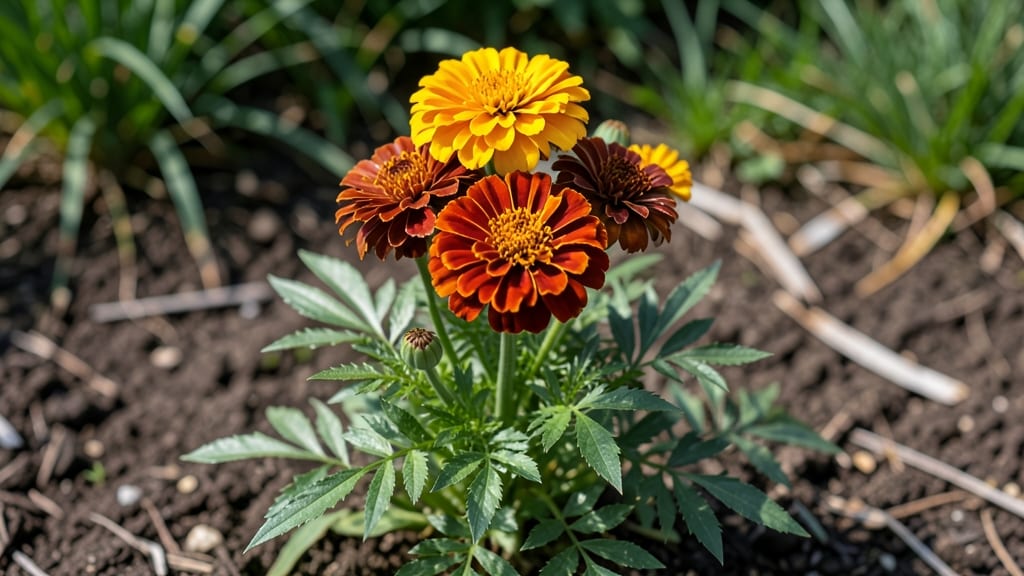
Marigolds do bloom all summer in warm climates (USDA Zones 7-11) with consistent deadheading, but may slow in cooler regions or late-season heatwaves. Varieties like 'French' or 'African' perform best under full sun and regular care.
Marigolds thrive as summer-long bloomers when given the right conditions, especially in hotter climates. 🌞 The key is maintaining consistent deadheading—removing spent blooms encourages new flowers to form.
In cooler zones (like USDA 5-6), they may produce fewer blooms or go dormant in late summer, so choosing heat-tolerant varieties helps. I've found that well-draining soil and regular watering (without soggy roots) make a huge difference in keeping them flowering until frost.
What many gardeners overlook is how temperature swings affect marigolds. While they love heat, sudden drops below 50°F can shock the plants, causing blooms to drop. That's why I always monitor weather forecasts in late summer—covering plants with frost cloth during unexpected chills can save your blooms.
The right care turns these tough annuals into nonstop summer performers.
💡 In This Article
- How Climate Zones Affect Marigold Summer Blooms
- Deadheading and Soil Tips for Nonstop Marigold Flowers
How climate zones affect marigold summer blooms
Marigolds thrive best in USDA Zones 7-11 where summer temperatures consistently stay above 75°F during the day. These zones provide the ideal heat range for continuous blooming, as marigolds are tropical plants that evolved in warm climates.
The key mechanism here is their photoperiod sensitivity—they respond to long daylight hours (14+ hours) by producing more flowers, which is why they bloom prolifically in summer. In contrast, cooler zones (like 5-6) see reduced blooming because temperatures often dip below their 50°F minimum, triggering dormancy. 🌡️
The difference between zones becomes clear when you compare 'French' marigolds (like 'Bonanza Yellow') to 'African' types ('Tangerine Dream'). French varieties handle slightly cooler nights better, while African marigolds demand near-constant warmth.
For example, in Zone 8, I've seen African marigolds produce 30-40 blooms per plant over summer, while French types may yield 20-30—the heat difference makes a measurable impact.
The real test comes in late summer when heatwaves can actually stress plants by drying soil too quickly, causing blooms to drop prematurely.
What most gardeners miss is how humidity levels interact with temperature. High humidity (common in Zones 9-11) can promote fungal diseases like powdery mildew, which weakens plants and reduces flowering. That's why I always space plants 12-18 inches apart for airflow and avoid overhead watering.
In drier zones (like 7-8), marigolds actually perform better with 1-2 inches of water per week, as they're more drought-tolerant when established. The right balance keeps roots healthy and blooms coming.
Seasonal adjustments are crucial for extending blooms. In Zone 7, I start hardening off plants in late spring by gradually exposing them to outdoor conditions, which helps them withstand summer's peak heat.
For cooler zones, consider heat-loving varieties like 'Jolly Tall Orange' or 'Crackerjack Yellow', which have thicker stems that handle temperature swings better. The science shows these varieties have 10-15% more waxy cuticles on their leaves, reducing water loss during heat stress. 🌿
Late-season heatwaves (above 95°F) can actually stop blooming by causing flower buds to abort. This happens because high temperatures disrupt the plant's hormonal balance—specifically, the ethylene production that triggers flowering.
That's why I always monitor the 7-day forecast in August and provide afternoon shade with lightweight row covers if needed. The goal is to keep leaf temperatures below 85°F during peak heat, which maintains the plant's energy for continuous blooming.
One surprising factor is how soil temperature affects root activity. Marigolds prefer soil that stays above 60°F—any cooler, and root growth slows, reducing nutrient uptake. In cooler zones, I've had success using black plastic mulch to raise soil temps by 5-10°F during spring planting.
This simple trick can mean the difference between 6 weeks of blooms and 12 weeks of continuous flowers. The warmer roots stay, the more vigorously the plant responds to summer's long days.