
Blooming
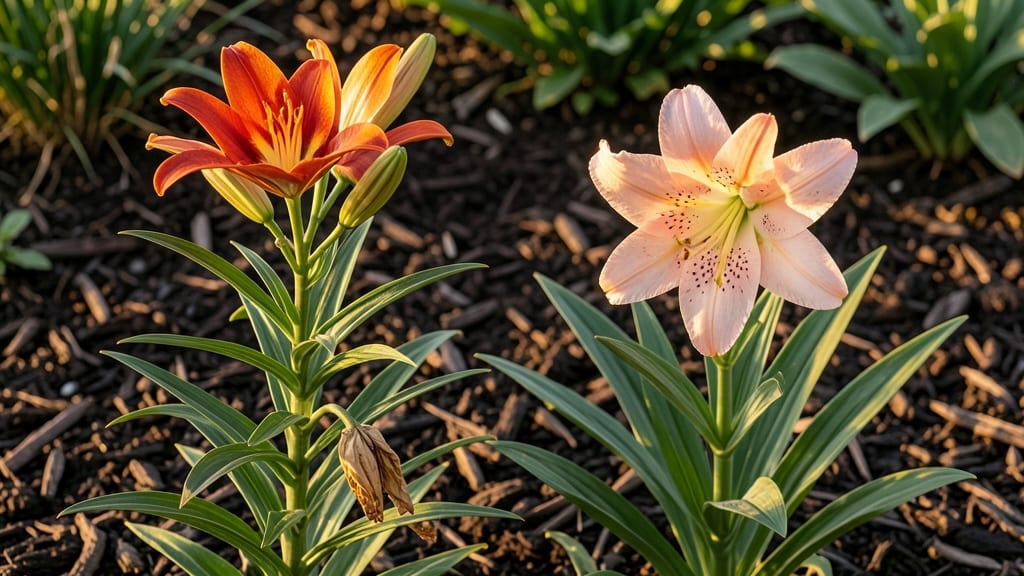
Yes, lilies can bloom more than once, but their reblooming habits vary by type—true lilies (Lilium) often produce second blooms with proper care, while daylilies (Hemerocallis) deliver continuous flowers throughout their growing season. Removing spent blooms and maintaining nutrient-rich soil are key to encouraging repeat flowering.
Not all lilies follow the same blooming schedule, which is why understanding their growth patterns makes a big difference. 🌸 True lilies (like Asiatic or Oriental varieties) typically bloom once per season but can produce a second flush of flowers if you deadhead promptly and provide consistent moisture.
Daylilies, on the other hand, are champions of repeat blooming—they can produce multiple flowers per stem over weeks, given the right growing conditions. The secret lies in their root systems and how they store energy between blooms.
For true lilies, timing matters—pruning after the first bloom encourages the plant to redirect energy toward new growth. I've seen dramatic improvements when gardeners add a balanced fertilizer after the first bloom cycle, giving the plant the nutrients it needs for a second round.
Daylilies are more forgiving but still benefit from regular deadheading to prevent seed formation, which can drain the plant's energy.
💡 In This Article
- Lily Reblooming Science: Why Some Varieties Flower Twice
- How to Maximize Reblooming in Lilies: Step-by-Step Care Guide
Lily reblooming science: why some varieties flower twice
The key difference between true lilies (Lilium) and daylilies (Hemerocallis) lies in their root systems and energy storage mechanisms. True lilies store nutrients in underground bulbs that require a full dormancy cycle to rebuild energy for reblooming.
Their growth follows a monocarpic pattern—meaning they prioritize one major bloom cycle before needing recovery. Daylilies, however, have rhizomes that continuously produce new growth points, allowing them to generate multiple blooms per season without full dormancy.
Environmental triggers play a huge role in reblooming success. True lilies need 6-8 weeks of cool temperatures (50-60°F) after their first bloom to stimulate new flower buds. This is why late-summer planted bulbs often fail to rebloom—they don't get enough cool-season recovery time.
Daylilies are more flexible but still require 6-8 hours of sunlight daily to maintain continuous flowering. The right balance of water (about 1-1.5 inches per week) prevents stress that could halt flower production.
What most gardeners miss is how nutrient timing affects reblooming. True lilies need a low-nitrogen, high-phosphorus fertilizer (5-10-10 ratio) applied right after the first bloom cycle to encourage root development. Daylilies respond better to balanced fertilizers (10-10-10) applied in early spring and mid-summer.
The phosphorus helps develop stronger roots that can support multiple blooms, while potassium prevents flower drop—a common issue in stressed plants.
Light exposure creates another critical difference. True lilies planted in partial shade (4-6 hours of sunlight) often produce smaller second blooms because they lack sufficient energy from photosynthesis.
Daylilies, however, can handle full sun to partial shade but may produce more blooms when given at least 6 hours of direct sunlight. The chlorophyll production in full sun gives them the energy to keep flowering throughout the season.
Seasonal temperature fluctuations also influence reblooming. True lilies in USDA Zones 3-7 often need winter chilling to break dormancy properly, while those in warmer zones (8-10) may struggle with inconsistent reblooming. Daylilies adapt better to warmer climates but may produce fewer blooms in extreme heat (above 90°F) without proper irrigation.
The ideal reblooming window for true lilies occurs when daytime temperatures drop to 75-80°F after their first bloom.
Consider these key factors when choosing lilies for reblooming:
- True Lilies: Select varieties like 'Stargazer' (Oriental) or 'Casa Blanca' (Asiatic) which are known for better reblooming tendencies
- Daylilies: Choose 'Hosta' hybrids or 'Happy Returns' series that are bred specifically for continuous flowering
- Soil pH: Maintain 6.0-7.0 for true lilies and 6.0-6.5 for daylilies to optimize nutrient uptake
- Mulching: Apply 2-3 inches of organic mulch to retain moisture and regulate soil temperature