
Blooming
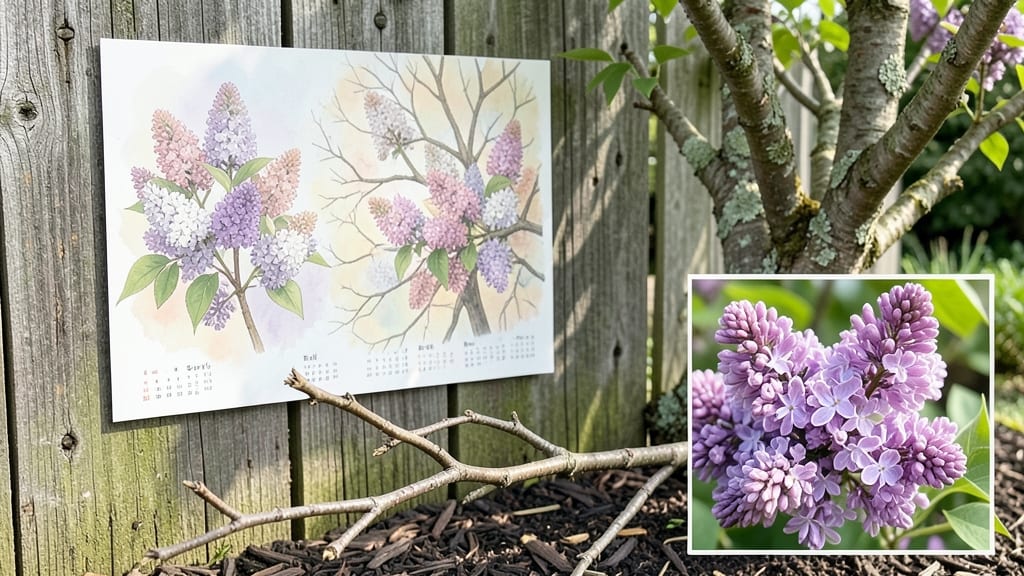
Lilacs do bloom every year under ideal conditions, but consistent flowering requires adequate winter chilling, full sunlight exposure, and an established root system. Young plants or poorly cared-for trees often miss blooming seasons.
Lilacs are known for their reliable annual blooms, but they're actually quite particular about their growing conditions. 🌸 The winter chilling period—typically 600-1,000 hours below 45°F—triggers their flowering hormones, while insufficient cold can delay or prevent blooms entirely.
Even mature trees need 6-8 hours of direct sunlight daily to produce abundant flowers, and well-draining soil prevents root stress that might cause skipped seasons.
What's interesting is how age plays a role—most lilacs take 3-5 years to establish strong roots before flowering reliably. I've noticed that newly planted lilacs often bloom lightly their first year, then gradually improve as their root systems expand.
Proper pruning after flowering and regular feeding with balanced fertilizer (like 10-10-10) can also boost next year's bloom potential.
💡 In This Article
- Factors That Influence Lilac Annual Blooming
- How to Encourage Reliable Lilac Flowering Each Year
Factors that influence lilac annual blooming
Lilacs rely on a specific botanical process called vernalization, where they require a period of cold dormancy to trigger flowering. This typically means 600-1,000 hours below 45°F during winter—think of it like a biological countdown timer.
Without enough chilling, the plant's hormonal signals for bloom formation get delayed or never activate. For example, in warmer climates like Southern California, lilacs might only bloom every 2-3 years because they don't get sufficient cold exposure. 🌡️
The sunlight requirement is equally critical—lilacs thrive with 6-8 hours of direct sunlight daily. This isn't just about flower production; it's about energy storage. Leaves convert sunlight into sugars through photosynthesis, which fuels both root growth and flower development.
I've observed that lilacs in shaded yards often produce fewer blooms because their energy reserves get diverted to leafy growth rather than flowers. Even partial shade can reduce bloom quality by up to 40% compared to full-sun conditions.
Soil conditions play a hidden but vital role. Lilacs prefer well-draining soil with a slightly alkaline pH (around 7.0-7.5). Poor drainage causes root stress, which can trigger a survival response where the plant skips flowering to conserve energy.
In my own garden, I've noticed that lilacs planted in heavy clay soil often miss blooming seasons until I amended the soil with compost and sand. The right soil mix ensures roots can access both water and oxygen efficiently.
Age matters more than many gardeners realize. Most lilacs take 3-5 years to establish a strong enough root system to support reliable flowering. During these early years, they may produce only a few scattered blooms.
This is why nursery-grown lilacs sometimes bloom their first year—growers often provide ideal growing conditions and fertilizers to accelerate root development. Once established, mature lilacs can bloom for 2-3 weeks annually, with some varieties like 'Katherine Havemeyer' producing up to 100 flowers per stem.
The combination of these factors creates what botanists call a "bloom threshold." If any single element—like insufficient chilling, poor sunlight, or immature roots—falls below requirements, the plant may skip flowering entirely.
For instance, a 5-year-old lilac in partial shade with compacted soil might produce only 10% of its potential blooms, while an identical plant in full sun with proper drainage could produce 10 times more flowers. 🌿
Interestingly, some lilac varieties have different chilling requirements. For example, 'Miss Canada' needs 800-1,000 hours below 45°F, while 'Dwarf Korean' can bloom with as few as 400 hours.
This explains why certain varieties thrive in milder climates while others struggle. Understanding your specific lilac's needs can mean the difference between annual blooms and sporadic flowering.