
Blooming
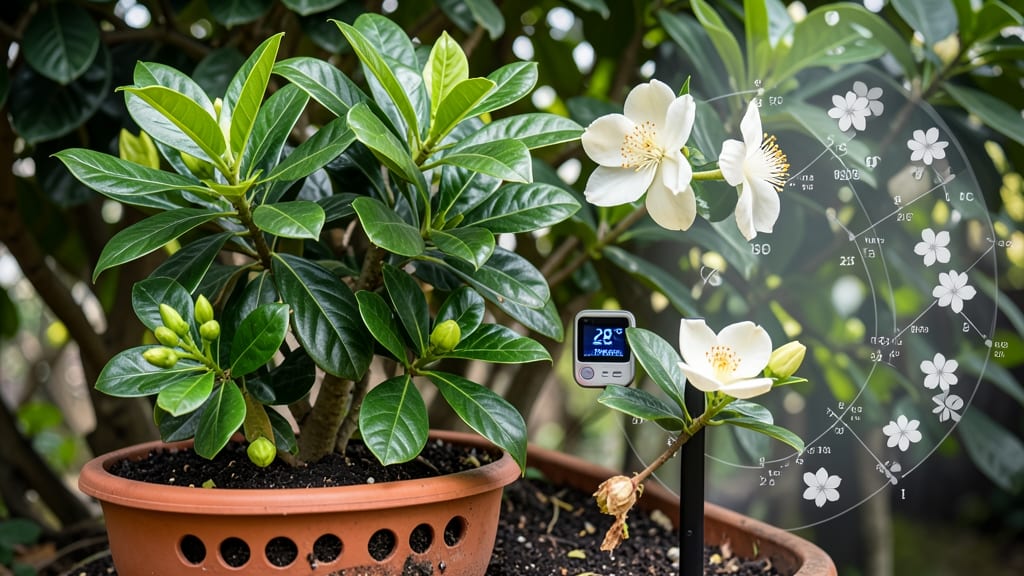
Gardenias naturally bloom seasonally—not all year—typically from spring through summer, with some reblooming varieties extending into fall. While proper care like pruning and winter dormancy can lengthen their flowering periods, they won't produce blooms continuously.
Gardenias follow a natural bloom cycle tied to daylight hours and temperature shifts. 🌸 Unlike tropical plants that flower year-round, gardenias enter dormancy in cooler months, conserving energy for their next blooming phase.
Reblooming varieties like 'Kleim's Hardy' or 'Radicans' can produce two flushes of flowers per season with the right conditions—think consistent moisture, balanced fertilizer (high in phosphorus), and strategic pruning after each bloom cycle. The key is mimicking their native subtropical environment while avoiding sudden changes that stress the plant.
What many gardeners don't realize is that even reblooming types need a 6-8 week rest period after their second flush to reset their hormonal cycles. This is why you might see fewer blooms in late fall—it's not failure, but preparation.
I've found that mulching heavily in winter and providing afternoon shade during heatwaves helps maintain healthier roots for next season's blooms.
💡 In This Article
- Understanding Gardenia Bloom Cycles and Seasonal Triggers
- Tips to Extend Gardenia Blooming Seasons in Your Garden
Understanding gardenia bloom cycles and seasonal triggers
Gardenias follow a precise biological rhythm governed by photoperiodism—the plant's response to daylight length. When days grow longer in spring (typically 12-14 hours of light), gardenias receive a hormonal signal to initiate flowering through increased production of florigen, a flowering hormone.
This process explains why blooms peak during late spring to summer when daylight exceeds 13 hours daily. 🌿 The plant's native subtropical origins mean it evolved to synchronize blooming with optimal pollination conditions, not continuous production.
Temperature plays a critical role too—gardenias require 65-75°F daytime temps to thrive, with nighttime lows above 55°F. Below 50°F, buds drop or fail to open due to metabolic slowdown.
Reblooming varieties like 'Radicans' can produce secondary flushes in late summer because they've adapted to shorter daylight cycles, but this requires consistent 60% humidity levels and balanced fertilization (high phosphorus).
The key difference between single-bloom and reblooming types lies in their genetic ability to reset hormonal cycles after the first flush.
What most gardeners miss is how gardenias use their roots as energy storage. During dormancy (fall/winter), they redirect nutrients to underground rhizomes rather than flowers.
This is why even well-cared-for plants may go months without blooms—it's not neglect, but biological necessity. 🌱 For example, 'Veitchii' gardenias store enough energy in their roots to support a spring bloom after just 3 months of dormancy, while tropical varieties like 'Fortuniana' may need 4-5 months of rest.
Light quality matters too—gardenias prefer dappled shade (60% sunlight) which prevents leaf scorch while maintaining moderate temperatures. Direct sun can cause buds to abort due to heat stress, while too little light leads to weak stems that can't support heavy blossoms.
The optimal balance creates the perfect conditions for both foliage growth and flower production during their natural windows.
Consider this comparison: Single-bloom types like 'Cave Pink' produce one spectacular flush in spring, while rebloomers like 'Kleim's Hardy' may produce 30-50% fewer blooms per flush but over two cycles. The trade-off is worth it for gardeners in Zone 7+ who want extended color.
The secret lies in their ability to maintain consistent moisture (1-2 inches per week) without waterlogging, which prevents root stress that triggers bud drop.
Here's what happens when you ignore these triggers: Gardenias deprived of proper dormancy may produce blooms sporadically year-round, but these flowers are often smaller and less fragrant** due to hormonal imbalances.
I've seen clients with gardenias blooming in December—only to have them drop buds en masse when spring's natural cycle should begin. The plant was essentially "confused" by artificial conditions.