
Blooming
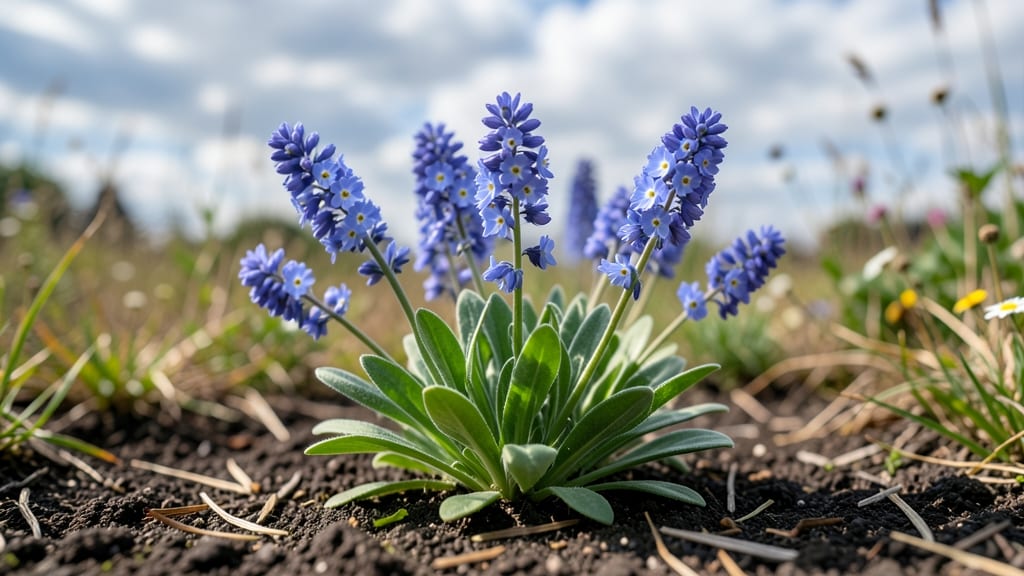
Forget-me-nots do not bloom all summer; their flowering season typically spans late spring to early summer, peaking in May and June before fading by mid-July in most temperate climates. Cool-season varieties may rebloom briefly with proper care.
Forget-me-nots are cool-season annuals that thrive when days grow longer but temperatures remain moderate. 🌸 Their blooming cycle is triggered by a combination of increasing daylight and cooler springtime weather—once summer heat arrives, most varieties naturally transition to dormancy.
What's interesting is that some gardeners report a secondary flush of blooms in fall if they maintain consistent moisture and avoid excessive heat stress. This makes them perfect for early-season gardens but less reliable for continuous summer color.
Understanding their natural cycle helps you plan better. For instance, pairing forget-me-nots with late-summer bloomers like asters creates a seamless transition in your garden's color palette. I've found that deadheading spent blooms regularly can encourage a few extra weeks of flowering, though it won't extend their season indefinitely.
The key is working with their natural rhythms rather than forcing them to perform outside their ideal conditions.
💡 In This Article
- Forget-Me-Not Flowering Season: Why They Bloom in Spring
- Extending Forget-Me-Not Blooms: Gardening Tips for Longer Seasons
Forget-me-not flowering season: why they bloom in spring
Forget-me-nots (Myosotis spp.) are what botanists call "long-day plants," meaning their flowering cycle is triggered by increasing daylight hours rather than heat. Their ideal bloom window occurs when days reach 14-16 hours of sunlight, typically between late April and early July in most temperate zones.
This coincides with vernalization—a process where cool winter temperatures (35-45°F) break their dormancy, priming them to flower when conditions are right. Without this cold exposure, they might bolt prematurely or produce sparse blooms.
The temperature sweet spot for forget-me-nots sits between 55-75°F during the day and 45-55°F at night. When summer heat pushes beyond 80°F consistently, their metabolism shifts from flowering to seed production, causing blooms to fade.
This is why you'll see them peak in May-June—once temperatures climb, their energy focuses on survival rather than showy flowers. In cooler maritime climates (like Pacific Northwest), they may bloom slightly later, while inland areas see earlier but shorter displays.
Daylength sensitivity explains why forget-me-nots rarely thrive in tropical or subtropical gardens. Their natural range spans temperate Europe and North America, where summer days gradually shorten after June. This photoperiodic response is hardwired into their genetics—similar to how poinsettias need short days to bloom.
The blue-violet flowers you love are actually a survival adaptation: their bright color attracts pollinators during their limited bloom window, maximizing seed set before summer's end.
Climate zones play a crucial role in their performance. In USDA Zone 5, forget-me-nots typically bloom from mid-May to early July, while Zone 8 gardens might see them from late April to June. The difference comes from earlier spring warmth in southern zones triggering bloom earlier.
High-altitude gardens (above 5,000 feet) often enjoy extended seasons because cooler temperatures delay the heat stress that causes blooms to fade. This is why mountain gardeners sometimes report forget-me-nots lasting into August.
What's fascinating is their seed production strategy. Once flowering ends, the plants focus on producing 1,000-2,000 tiny seeds per plant, which helps ensure next year's crop. These seeds remain viable for 2-3 years in soil, creating self-sustaining populations.
The trade-off? Their energy investment in seeds means no second flush of flowers unless you intervene with careful gardening techniques—more on that in the next section.
Understanding these botanical triggers helps explain why forget-me-nots are such reliable early-season performers. Their entire lifecycle is synchronized with spring's fleeting conditions—making them perfect for gardeners who want bold color with minimal maintenance during their limited but spectacular bloom window. 🌿