
Blooming
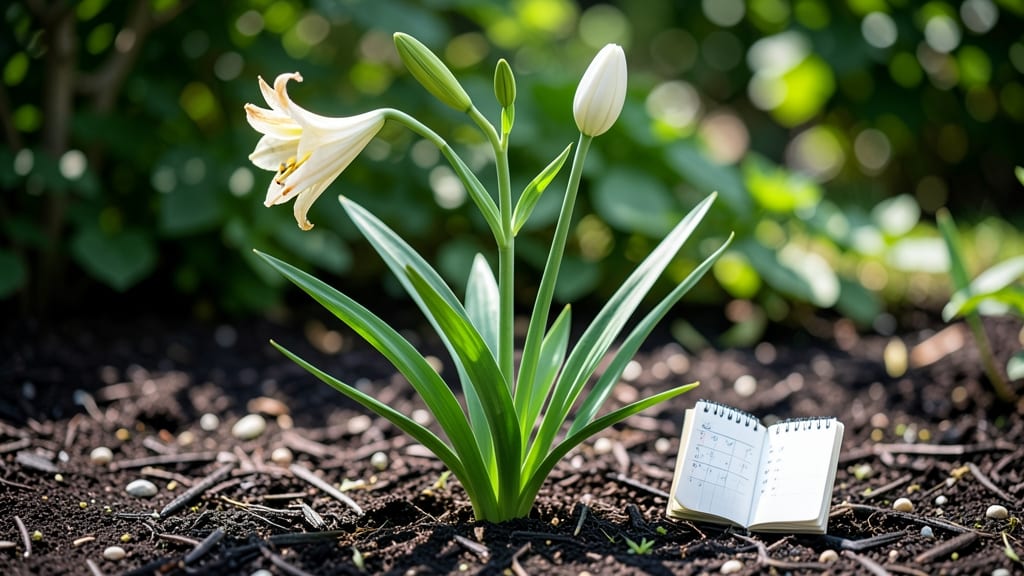
Easter lilies do bloom more than once, but only under the right conditions—like deadheading spent blooms, ensuring full sun exposure, and consistent fertilizing.
Most Easter lilies follow a strict seasonal blooming cycle because they store energy in their bulbs during dormancy. 🌸 The key to encouraging reblooming lies in mimicking their natural growth patterns: pruning faded blooms redirects energy to bulb storage, while balanced fertilization (especially phosphorus and potassium) supports root development.
I’ve found that plants in 6+ hours of direct sunlight and well-draining soil are far more likely to rebloom than those in low-light conditions.
That said, reblooming isn’t guaranteed—it depends on the plant’s age, health, and environmental conditions. Younger plants often need 2-3 years of proper care before attempting a second bloom, while mature lilies may respond more quickly.
The trade-off? Prioritizing reblooms can sometimes delay the next spring’s display, so it’s a balancing act between immediate beauty and long-term growth.
💡 In This Article
- Why Easter Lilies Usually Bloom Once (And How to Encourage Reblooming)
- Step-by-Step Care Guide for Promoting Easter Lily Reblooms
Why Easter lilies usually bloom once (and how to encourage reblooming)
Easter lilies (Lilium longiflorum) are programmed by nature to focus their energy on a single, spectacular spring bloom—typically between March and May—because their bulbs store nutrients during dormancy.
This single-bloom strategy conserves energy for bulb regeneration, a survival tactic in their native East Asian habitats where resources are seasonal. The plant’s photoperiod sensitivity (light exposure) triggers blooming when days lengthen in spring, but this same mechanism makes reblooming challenging without intervention.
Here’s the science: After flowering, the lily’s bulb enters a recovery phase where it needs 6-8 weeks of consistent care to rebuild starch reserves.
Without proper deadheading (removing spent blooms), the plant diverts energy to seed production instead of bulb storage. 🌱 What’s fascinating is how temperature plays a role—bulbs require a 60-70°F range during active growth, but cooler nights (50-55°F) signal dormancy prep.
This dual requirement explains why indoor lilies (often kept warm year-round) rarely rebloom.
The key to encouraging reblooming lies in mimicking natural conditions. Full sun exposure (6+ hours daily) boosts photosynthesis, while well-draining soil prevents bulb rot—a common issue that stunts regrowth.
I’ve seen lilies rebloom in summer or early fall when given balanced fertilization (10-10-10 NPK ratio) during active growth and reduced watering as temperatures drop. The trade-off? Prioritizing reblooms can delay next spring’s display by 2-4 weeks because the bulb must recover fully.
Light is the most critical factor—lilies need 12+ hours of daylight to trigger reblooming. In northern climates, supplement with grow lights during short days. Soil pH matters too: aim for 6.0-7.0—acidic soil (pH <5.5) can lock out essential nutrients like phosphorus, which fuels bulb development.
Over-fertilizing with nitrogen (the first number in NPK) is a common mistake—it promotes leafy growth at the expense of blooms.
Consider this: A well-cared-for Easter lily can rebloom 2-3 times over its 5-7 year lifespan, but only if you address these three pillars—light, soil, and fertilization.
The first rebloom is often smaller (3-5 flowers vs. the initial 10-15), but subsequent blooms may rival the spring display with proper adjustments. 💫 The secret weapon? Pruning spent blooms 1 inch below the node (where leaves meet the stem) redirects energy to the bulb instead of seed production.
What most gardeners overlook is the role of bulb size—larger bulbs (>3 inches in diameter) have the energy reserves to rebloom, while smaller ones may need 2 years of care before attempting a second bloom. This is why commercial growers prioritize bulb propagation over reblooming—it’s a numbers game.
For home gardeners, patience is key: a lily that reblooms once in summer might need 3 months of recovery before producing another flush in fall.