
Blooming
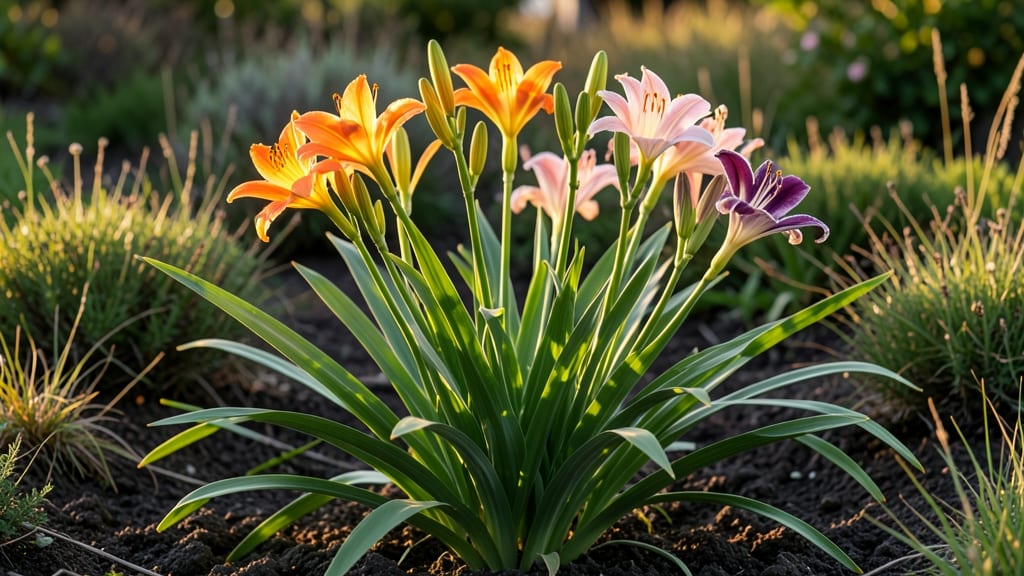
Yes, daylilies do bloom more than once in a season, especially reblooming varieties, which produce multiple flushes of flowers when given proper heat exposure, consistent watering, and deadheading after each bloom cycle.
Most gardeners assume daylilies bloom just once, but reblooming varieties can produce two to three flower cycles per season when conditions are right. 🌸 The key trigger is sustained warmth—typically 75°F or higher for six weeks or more—which signals the plant to restart its flowering process.
Early-season bloomers often stop after their first flush, while reblooming types like 'Stella de Oro' or 'Happy Returns' keep producing flowers well into fall with proper care.
To maximize reblooms, I focus on three critical factors: deadheading spent blooms (removing faded flowers prevents seed formation), maintaining consistent moisture without waterlogging, and using a balanced fertilizer every 4-6 weeks during the growing season.
The right soil mix—well-draining but rich in organic matter—also makes a surprising difference in how vigorously daylilies respond to heat cues.
💡 In This Article
- How Heat and Variety Determine Daylily Reblooming Frequency
- Best Practices for Encouraging Multiple Daylily Blooms
How heat and variety determine daylily reblooming frequency
The reblooming magic in daylilies starts with their biological response to temperature. These perennials use a process called thermoperiodism, where sustained warmth (typically 75°F or higher for 6+ weeks) triggers the plant to restart its flowering cycle.
Think of it like a reset button: once the plant experiences enough heat, it breaks dormancy and begins producing new buds. This is why reblooming varieties often show their second flush around mid-summer, while early-season types may only bloom once in spring.
Not all daylilies are created equal—reblooming cultivars like 'Stella de Oro' or 'Happy Returns' have been selectively bred to respond more aggressively to heat cues. These varieties can produce two to three flower cycles per season, while traditional early-season types like 'Pardon Me' may only bloom once before entering dormancy.
The difference lies in their genetic makeup, particularly how their meristem cells (growth points) react to prolonged warmth. 🌡️ For example, 'Stella de Oro' often begins reblooming when daytime temperatures consistently reach 80°F for two weeks or more.
Dormancy plays a crucial role in this cycle. After each bloom period, daylilies enter a brief rest phase where they store energy in their rhizomes (underground stems). This stored energy fuels the next flowering cycle.
However, if temperatures drop below 60°F for more than two weeks during the growing season, the plant may skip reblooming entirely. This is why gardeners in cooler climates often see fewer repeat blooms—consistent warmth is non-negotiable for triggering that second or third flush.
Another fascinating factor is photoperiodism—the plant's response to daylight length. While heat is the primary trigger, daylilies also need 12-14 hours of daylight to maintain active growth. In northern latitudes where summer days are long, this isn't usually an issue.
But in southern regions where heat arrives early, the plant might exhaust its energy before getting enough daylight to support multiple blooms. This explains why some rebloomers in hot climates may only produce one strong flush followed by smaller, weaker blooms later in the season.
Let's look at the science behind the bloom cycle: each flower stalk (scape) contains multiple buds that develop sequentially. When you remove spent blooms through deadheading, you're essentially telling the plant to redirect its energy toward producing new buds rather than forming seeds.
This practice can extend the blooming season by 4-6 weeks in reblooming varieties. The plant's hormonal response to this pruning is what keeps the growth cycle going—similar to how pinching back herbs encourages bushier growth.
For gardeners curious about specific varieties, consider these top performers: 'Happy Returns' typically blooms in three distinct cycles, while 'Café au Lait' often produces two strong flushes with proper care.
The key difference between these and single-bloom types lies in their rhizome development—rebloomers develop more robust underground storage systems capable of sustaining multiple growth phases. 🌿