
Blooming
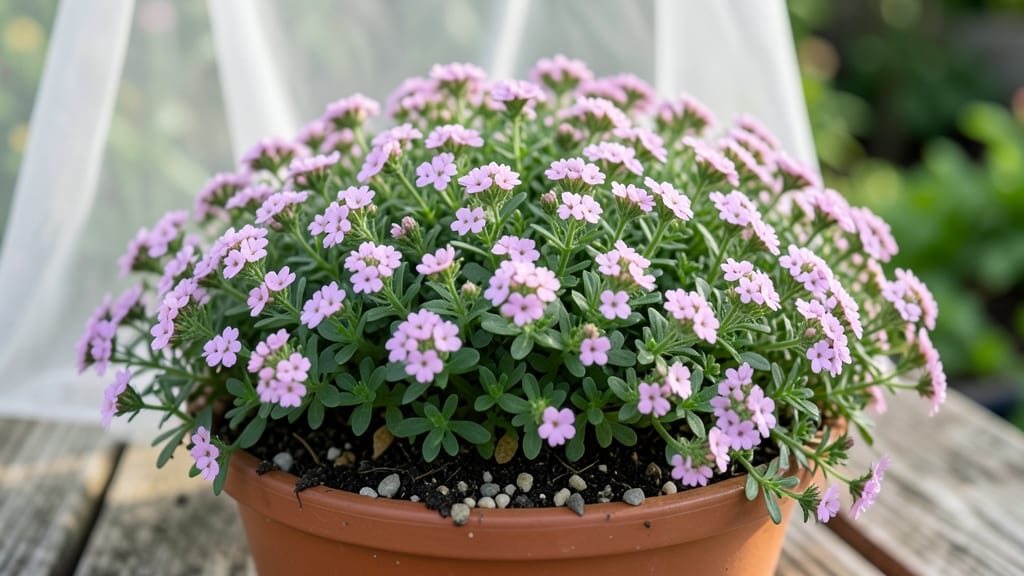
Alyssum blooms all summer when you provide consistent care, especially in cooler climates where it thrives from spring through fall. While heat or drought may trigger temporary dormancy, deadheading and proper watering help maintain vibrant flowers throughout the growing season.
Alyssum's natural flowering rhythm makes it perfect for long-season gardens. 🌸 This cool-season annual (or perennial in mild zones) produces clusters of tiny blossoms that attract pollinators, but it needs your help to keep blooming.
The key is understanding its seasonal triggers—too much heat or dryness signals the plant to conserve energy, while regular deadheading (removing faded flowers) encourages new growth.
I've seen alyssum continue flowering well into autumn when planted in partial shade during peak summer heat, proving that smart placement matters just as much as watering routines.
What many gardeners miss is that alyssum's dormancy isn't permanent—it's a survival strategy. With proper care, it often rebounds when conditions improve. The secret lies in maintaining moist but not soggy soil and choosing varieties suited to your climate.
For example, Sweet Alyssum handles heat better than Golden Alyssum, which prefers cooler temperatures. This explains why some gardeners get frustrated when their alyssum stops blooming mid-summer, only to see it flourish again when temperatures drop.
💡 In This Article
- Climate and Seasonal Factors Affecting Alyssum Blooms
- Gardening Tips to Keep Alyssum Flowering Longer
Climate and seasonal factors affecting alyssum blooms
Alyssum's flowering cycle is deeply tied to temperature, making it a cool-season champion. This hardy plant thrives when daytime highs stay between 50-75°F, which is why it blooms prolifically from spring through fall in most temperate zones.
The secret lies in its natural photoperiod sensitivity—longer daylight hours trigger flower production, but excessive heat (85°F+) forces it into dormancy as a survival mechanism.
This explains why alyssum often stops flowering mid-summer in hot climates like the southern U.S. (zones 8-10), only to rebound when temperatures dip in autumn.
The plant's dormancy isn't permanent—it's an adaptive response to conserve energy during stress. When nighttime temperatures drop below 60°F, alyssum often "wakes up" and resumes blooming, which is why gardeners in cooler regions (zones 3-7) can enjoy near-continuous flowers.
Frost, however, tells a different story: while alyssum can tolerate light freezes (28°F), prolonged cold (20°F) will kill the plant entirely. This is why annual varieties are more common in colder climates, while perennial types thrive in mild-winter zones like coastal California or the Pacific Northwest.
Regional growing zones play a crucial role in determining alyssum's performance. In zone 5, for example, alyssum typically blooms from May through October, while in zone 9 it may flower year-round with minimal care.
The key difference is summer heat intensity—whereas alyssum in zone 5 gets relief from cooler nights, zone 9 plants face prolonged heat stress.
This explains why gardeners in hotter climates often need to provide afternoon shade or choose heat-tolerant varieties like Sweet Alyssum (Lobularia maritima), which handles 90°F temperatures better than its cousins.
What most gardeners don't realize is that alyssum's flowering response is also influenced by soil temperature. The roots prefer 60-70°F soil—too cold (50°F) slows growth, while too hot (> 75°F) triggers dormancy. This is why mulching with 2-3 inches of organic matter helps maintain ideal root temperatures.
In my own garden, I've noticed that alyssum planted in raised beds with morning sun and afternoon shade continues blooming through July when unprotected plants in full sun have gone dormant.
The plant's natural life cycle also explains why deadheading becomes more critical in hot climates. Without regular removal of spent blooms, alyssum redirects energy toward seed production rather than new flowers—a survival trait that becomes problematic for gardeners seeking continuous blooms.
This is particularly noticeable in Golden Alyssum (Aurinia petraea), which has a stronger seed-producing instinct than Sweet Alyssum. The result? Less frequent but more abundant flowering periods unless you intervene with deadheading.
One often-overlooked factor is humidity. Alyssum prefers relative humidity between 40-60%—too dry (30%) causes flower buds to abort, while high humidity (> 70%) increases susceptibility to powdery mildew. This explains why alyssum often struggles in desert climates unless given supplemental watering or shade.
In contrast, coastal regions with moderate humidity provide ideal conditions for year-round blooming, which is why alyssum is a staple in Mediterranean-style gardens.