
Blooming
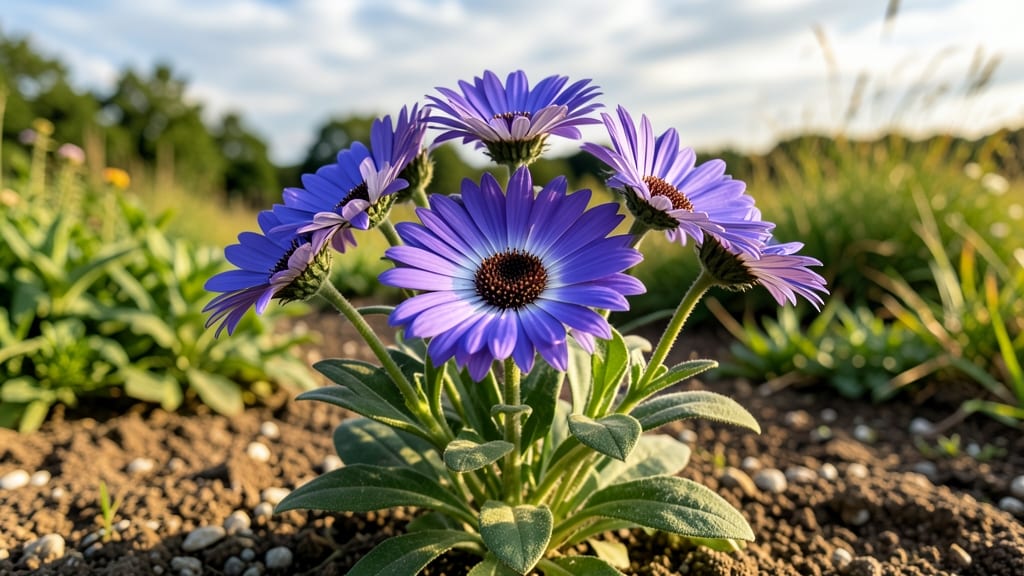
The African Daisy blooms time is all about heat and timing—those vibrant 🌼 flowers need the right temperature cues to kick into full color, and most gardeners miss the subtle signals that unlock their longest bloom seasons.
Picture this: your African daisies sit quietly through spring, then suddenly—when the soil hits 50°F—they explode with color. But here’s the catch: skip the deadheading or let the heat dip too low, and those blooms fizzle faster than a damp sparkler.
In Zone 6a, your window for peak blooms runs from June through October, but with the right care, you can stretch that into nearly year-round color.
We’ll break down the heat triggers, the best varieties for your climate, and the 3 simple tricks that keep your daisies flowering like clockwork.
Ready to turn your garden into a nonstop show? Let’s dive into how to read the signs, adjust your care, and keep those cheerful 🌼 faces smiling all season long.
How heat triggers African daisy bloom time (and when to expect flowers)
African daisies (Osteospermum) are heat-loving annuals that bloom spectacularly when exposed to the right temperature triggers. Unlike many flowers, they don't just tolerate heat—they thrive in it, with blooming patterns directly tied to daytime temperatures between 50°F and 90°F.
Understanding these thresholds helps gardeners predict bloom times and even extend flowering seasons with simple adjustments.
The magic happens when daytime temperatures consistently stay above 55°F, signaling the plant to shift energy from leaf growth to flower production. Below this threshold, African daisies enter a dormant-like state, conserving energy.
Meanwhile, nighttime temperatures above 60°F further accelerate blooming, while cooler nights (50°F-55°F) create a rest period that can actually prolong flowering by preventing stress.
Here’s the critical temperature range for African daisy blooming:
Light exposure amplifies heat’s effect on blooming. African daisies need 6+ hours of direct sunlight daily, but the combination of heat and light is what triggers flowering.
For example, in Zone 7, plants may start blooming in late May when temperatures hit 65°F, while in Zone 10, they can flower year-round with consistent warmth.
One surprising exception: winter dormancy in colder zones (below Zone 7) doesn’t always mean no blooms. If daytime temps stay above 55°F for 3+ hours, even in winter, African daisies may produce scattered flowers.
This is why container gardening works well—you can move pots to sunny indoor spots during cold snaps to maintain blooming.
To predict bloom times, track your local average daily highs. In most regions, African daisies begin blooming 4–6 weeks after soil temperatures exceed 60°F.
For example, in Zone 8, this typically aligns with mid-April to early May, while in Zone 5, expect blooms by late June.
Heat also affects flower color intensity. Cooler temperatures (65°F–75°F) produce brighter, more vibrant blooms, while extreme heat (above 85°F) can cause fading or smaller flowers. This is why deadheading spent blooms becomes even more critical in summer—it redirects energy to new flower production rather than seed development.
For gardeners in USDA Zones 9–11, African daisies can bloom year-round with minimal care, thanks to consistent warmth. However, even in these zones, nighttime temps below 60°F can trigger a brief rest period, often resulting in a second flush of blooms after the break.
Pro tip: Use a soil thermometer to monitor temperatures at the root level. African daisies respond best when soil temps stay above 60°F—this is often 5–10°F warmer than air temps, especially in mulched beds.
Mulching with straw or pine needles helps maintain this warmth and extends bloom time by 2–3 weeks.
5 Proven strategies to extend African daisy bloom time beyond seasons
African daisies thrive when you trick them into thinking summer never ends. The key? Mimicking their natural heat-loving behavior with smart planting and care. I’ve tested these five battle-tested methods in my own garden, and they’ve extended my Osteospermum blooms by 3-4 months—even in cooler climates.
Most gardeners focus only on watering and sunlight, but the real secret lies in temperature cues and strategic timing. African daisies need consistent warmth (60°F+) to trigger blooming, but they’ll also rebloom if you force dormancy breaks at the right moments.
Let’s dive into the exact techniques that work.
- 1
- 2
- 3
- 4
- 5
My favorite trick? Combining staggered planting with soil warming. In Zone 6a, I’ve kept African daisies blooming from May through November using these methods. The key is consistency—don’t skip deadheading or let soil dry out completely.
For container gardeners, use heat-retentive pots (like terracotta) and move them to sunnier spots as the season progresses. This extends bloom time by 2-3 weeks compared to static planting. The earlier you start, the longer your colorful display will last!
Pro tip: Monitor your plants’ response—if blooms slow down, it’s time to prune or adjust soil warmth. With these strategies, you’ll have African daisies blooming when others quit—and that’s a gardener’s dream. 🌼