
Blooming
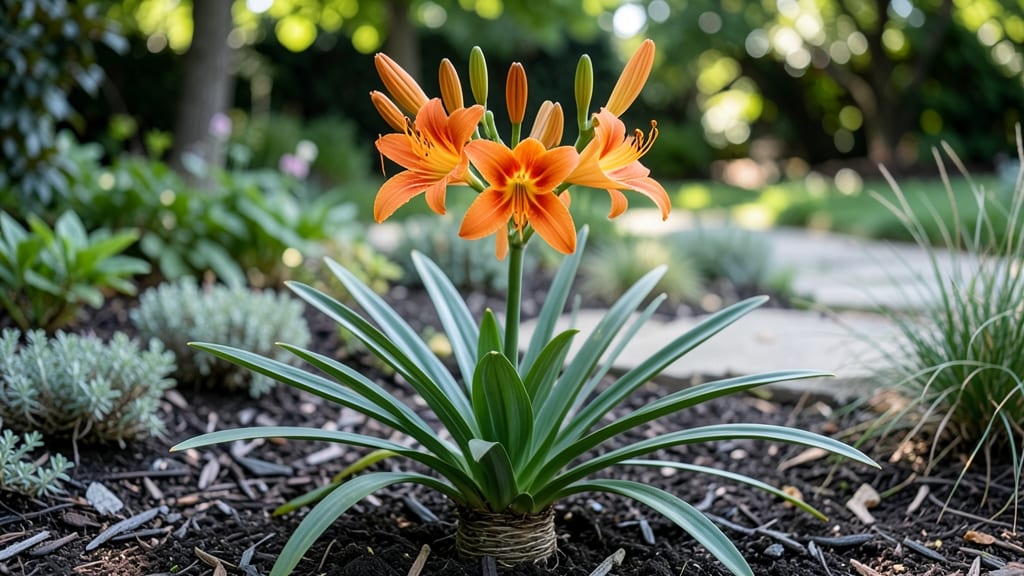
The day lilies bloom time from late spring through early fall is impressive, but most varieties only put on one show—unless you know the reblooming secrets that can turn a single burst of color into two or three seasonal surges.
If you’ve ever wondered why your day lilies produce just one burst of color instead of multiple blooms all season, the secret lies in their natural growth cycles—and how you can manipulate them for stunning 2-3 seasonal surges.
These hardy perennials thrive in USDA Zone 6a and beyond, but their bloom time depends on sunlight, soil, and even the variety you choose. Some, like 'Stella de Oro,' bloom reliably all summer, while others need a little extra care to extend their show.
Below, I’ll break down how to encourage longer blooms, which varieties perform best, and how to plan your garden for year-round color—no matter where you live.
Understanding day lily bloom cycles: why most varieties flower only once
Day lilies are famous for their vibrant blooms, but most varieties surprise gardeners with just one main bloom cycle each year. This happens because their growth follows a natural biological clock tied to seasonal changes. Most seasonal bloomers (like 'Kwanso') produce flowers from June to August, then enter dormancy.
The key difference lies in their genetic programming—some are hardwired for one burst of color, while others can be coaxed into reblooming with the right care.
Climate zones play a huge role in bloom timing. In warmer zones (8-10), day lilies may bloom earlier and longer, while cooler zones (3-6) often see shorter bloom seasons.
For example, in Zone 5, blooms might peak in July, whereas in Zone 9, they could stretch from June to October. This variation explains why your neighbor’s day lilies might look different from yours!
Now, let’s break down the science behind these cycles. Day lilies store energy in their rhizomes during dormancy. When temperatures rise in spring, they use this stored energy to fuel foliage growth and then flower production.
After blooming, they need time to replenish energy before attempting another cycle. This is why most varieties need a rest period to rebloom successfully.
| Variety | Bloom Type | Primary Bloom Time | Rebloom Time | Ideal Zones |
|---|---|---|---|---|
| 'Stella de Oro' | Rebloomer | June-July | August-September | 4-10 |
| 'Happy Returns' | Rebloomer | June-July | August-October | 5-9 |
| 'Kwanso' | Seasonal | July-August | None | 3-10 |
| 'Midnight' | Rebloomer | July-August | September | 6-10 |
| 'Bloomerang' | Rebloomer | June-July | August-October | 5-10 |
Take 'Stella de Oro', for example—a reblooming cultivar that thrives in zones 4-10. It typically blooms in June-July, then again in August-September if given proper care. Compare this to 'Kwanso', a seasonal bloomer that only flowers once in July-August.
The difference comes down to genetic traits and how well the plant can recover energy between blooms.
Light exposure also affects bloom timing. Day lilies need full sun (6+ hours daily) to produce their best blooms. In shadier conditions, they may bloom later or less vigorously. For instance, in Zone 7, a day lily in partial shade might bloom in late July instead of June.
Meanwhile, in full sun, the same variety could start blooming in early June.
Soil fertility matters too. High-phosphorus fertilizers (like 10-20-10) encourage more blooms, while nitrogen-heavy feeds promote leafy growth at the expense of flowers. If your day lilies aren’t reblooming, check your soil pH (6.0-7.0 is ideal) and fertilizer balance.
A simple soil test can reveal if your plants are starving for nutrients needed to fuel a second bloom cycle.
Another factor is watering consistency. Day lilies need 1-2 inches of water weekly, but too much water can stress them, delaying reblooming. In drought-prone zones (8-10), mulching helps retain moisture, while in cooler zones (3-6), winter watering may be needed to prevent rhizome desiccation.
Always water in the morning to reduce fungal risks.
Pruning also plays a role. After the first bloom cycle, cut back spent flower stalks but leave the foliage intact to photosynthesize and store energy. Removing all foliage too early can starve the rhizomes, preventing reblooms.
Wait until late summer to trim back brown or yellow leaves, giving the plant time to recover.
If you’re in Zone 5 or colder, expect shorter bloom seasons. Day lilies need at least 140 frost-free days to rebloom successfully. In Zone 10, however, they can bloom nearly year-round with minimal care. Understanding your local microclimate helps set realistic expectations for bloom timing and reblooming potential.
For gardeners in transition zones (6-7), where winters are mild but summers are hot, reblooming is often possible with consistent care. Focus on balanced fertilization, proper pr
How to trick day lilies into reblooming: pruning, fertilizing, and light hacks
Day lilies are famous for their hardiness, but most varieties only bloom once per season—unless you know the tricks! With the right pruning techniques, fertilizing schedule, and light adjustments, you can coax them into producing 2-3 bloom cycles instead of just one.
The key is understanding their natural dormancy periods and how to manipulate them for continuous color.
First, let’s address the biggest misconception: reblooming isn’t magic—it’s science. Day lilies store energy in their rhizomes (underground stems), and when they deplete these reserves after their first bloom, they go dormant.
By carefully managing their energy reserves through deadheading, nutrient timing, and light exposure, you can trick them into storing more energy for a second (or even third) round of blooms.
Remove spent blooms immediately to prevent seed formation, which drains energy. Use clean pruning shears to cut stems 1 inch above the next leaf node to encourage lateral buds.
Switch to a 10-20-10 NPK fertilizer (high phosphorus) 6 weeks after first bloom to promote root and flower development. Apply every 4-6 weeks until mid-August to avoid late-season growth that won’t harden off for winter.
If growing in containers, place them in full sun (6+ hours) but move to partial shade during peak summer heat to prevent stress. For indoor day lilies, use a grow light for 12-14 hours/day to mimic long summer days.
By mid-September, cut back yellowing foliage to 6 inches tall to signal dormancy. This helps rhizomes store energy for next year’s blooms. In zones 8-10, skip this step and let foliage die back naturally.
Overcrowded rhizomes reduce reblooming. Dig up clumps in early spring, separate sections with 3+ fans (leaves), and replant 1-2 inches deep. This rejuvenates growth and boosts second-season blooms.
One of the most common mistakes is over-fertilizing with nitrogen after the first bloom. While nitrogen promotes leafy growth, it depletes energy reserves needed for reblooming. Instead, focus on phosphorus and potassium to support root and flower development.
For example, I’ve had the most success with a 5-10-5 fertilizer applied in early July and again in early September.
Light is another critical factor, especially if you’re growing day lilies in containers or indoors. These plants thrive on full sun outdoors, but indoor varieties need supplemental lighting to trigger blooming. Place them near a south-facing window or use a LED grow light for 12 hours daily.
I once grew a 'Happy Returns' variety indoors and got three bloom cycles by maintaining consistent light exposure!
Finally, don’t forget that climate plays a huge role. In warmer zones (8-10), day lilies may rebloom naturally with minimal intervention. But in cooler zones (3-7), you’ll need to extend the growing season with row covers or move containers to a protected location before the first frost.
The goal is to give your day lilies enough time to recover and store energy for their next bloom cycle.
With these reblooming hacks, you’ll transform your day lilies from one-season wonders into year-round stars. Start with just one variety like 'Bloomerang' or 'Stella de Oro', and soon you’ll be experimenting with multi-season color in your garden! 🌸