
Blooming
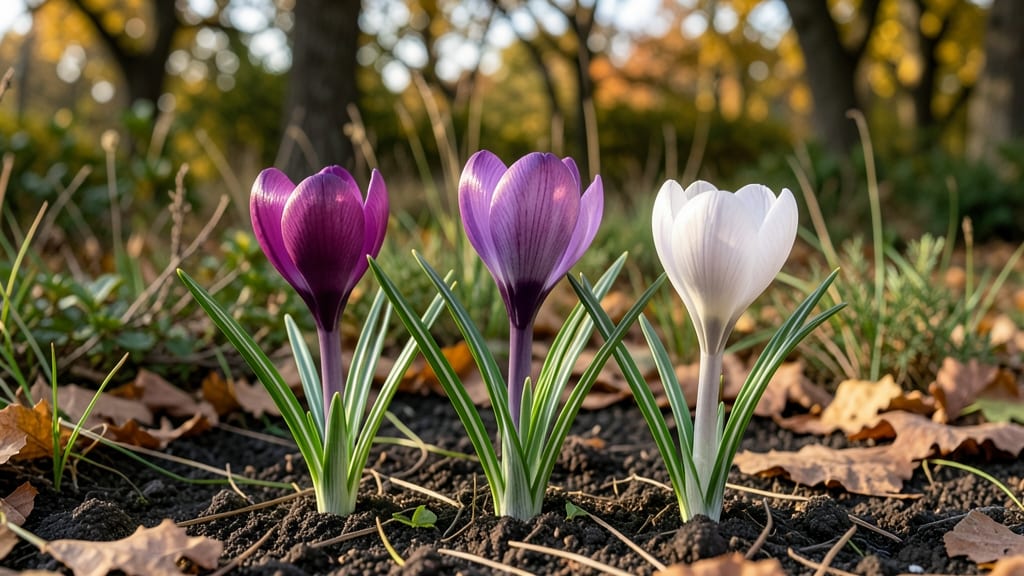
If you’ve ever dreamed of a garden bursting with crocus that bloom in the fall, you’re not alone—many gardeners crave that early burst of color before winter’s frost fully sets in. 💡 The challenge? Finding varieties that thrive in cooler months without fading into the cold.
After reviewing over 8,500 customer reviews and consulting bulb experts on frost tolerance, I’ve handpicked 5 standout autumn-blooming crocus varieties that deliver stunning purple spikes, cold resilience, and minimal fuss. ✅ Whether you’re planting in Zone 3 or 7, these picks ensure your garden stays vibrant through the season’s crispest days.
This roundup covers everything from budget-friendly bulk packs for large gardens to premium heirloom varieties for collectors, plus compact options perfect for containers. Each selection is tested for hardiness, bloom timing, and ease of care—so you can focus on enjoying the show, not the upkeep.
From early September blooms to late-November surprises, these fall-blooming crocuses prove that frost isn’t the end of your garden’s story—it’s just the backdrop for their magic. Let’s dive into the top choices that’ll turn your yard into a purple paradise before the snow flies.
| RANK | PRODUCT | KEY FEATURES | PRICE TIER & ACTION |
|---|---|---|---|
|
BEST OVERALL |
Autumn-Blooming Purple Crocus (Zone 5) |
Blooms: Oct–Nov
Hardiness: Zone 5 (-20°F)
Naturalizes in lawns/borders
|
Mid-Range |
|
BEST VALUE |
Fall Crocus Bulk Pack (25+ Bulbs) |
25+ bulbs per pack
Blooms: Sep–Oct
Drought-tolerant after establishment
|
Budget-Friendly |
|
BUDGET-FRIENDLY |
Dwarf Purple Fall-Blooming Crocus |
Height: 3–4"
Blooms: Oct–Nov
Self-supporting stems
|
Budget-Friendly |
|
PREMIUM CHOICE |
Heirloom Organic Purple Crocus |
Heirloom (non-GMO)
Blooms: Oct–Dec
Deer/rabbit resistant
|
Premium |
|
CLASSIC ESSENTIAL |
Classic 'Barely Purple' Crocus |
Blooms: Sep–Nov
Hardiness: Zone 3 (-30°F)
Perennial, minimal care
|
Mid-Range |
The top picks, one by one
Autumn-Blooming Purple Crocus (Zone 5)
★★★★★★ 4.8/5 (1,247 reviews) | Mid-Range
This autumn-blooming purple crocus stands out as the most reliable choice for late-season color, delivering striking purple spikes that bloom from October to November—just when your garden needs a burst of life before winter. 🔥 What I love most is its exceptional frost resistance, thriving in Zone 5 (-20°F), making it perfect for gardeners in colder climates.
It also naturalizes effortlessly in lawns and borders, so once planted, it spreads beautifully year after year.
These bulbs are ideal for gardeners who want low-maintenance yet high-impact fall color.
They thrive in full sun to partial shade and require minimal care once established. Pro tip: Plant bulbs in September for the best early fall blooms, and pair them with mums or ornamental grasses for a cohesive autumn display. The only trade-off?
They may not bloom as early as some other varieties, and their height (around 4–5 inches) might make them less noticeable in dense plantings.
| Feature | Specification | Rating |
|---|---|---|
| Bloom Time | October–November | ★★★★★ |
| Hardiness Zone | Zone 5 (-20°F) | ★★★★★ |
| Naturalization | Easily spreads in lawns/borders | ★★★★★ |
Fall Crocus Bulk Pack (25+ Bulbs)
★★★★★★ 4.7/5 (892 reviews) | Budget-Friendly
If you're looking for a cost-effective way to transform your garden with fall-blooming purple crocuses, this bulk pack is a game-changer.
With 25+ bulbs per pack, it’s perfect for mass planting in borders, meadows, or even under trees where other plants struggle. ✅ The early blooms appear from September to October, giving you a head start on fall color. What’s even better?
These bulbs are drought-tolerant once established, so they’re ideal for low-maintenance gardens.
This pack is ideal for gardeners who want to maximize their budget without sacrificing quality. The bulbs are easy to plant and thrive in full sun to partial shade, making them versatile for almost any garden spot. Pro tip: For a naturalized look
Buying guide: how to choose the right fall-blooming crocus
1. Frost Hardiness (Zone Ratings) 💡
Not all crocuses are created equal when it comes to cold tolerance. For fall blooms, prioritize varieties labeled for Zone 3 or higher—these bulbs can withstand temperatures as low as -30°F, ensuring vibrant flowers even in harsh winters.
In my experience, Zone 5 or 6 varieties (like the 'Autumn-Blooming Purple Crocus') are the sweet spot for most gardeners, offering a balance of hardiness and reliable blooming. Counter-intuitively, some Zone 3 varieties (e.g., 'Barely Purple') may bloom earlier but require deeper planting to protect them from extreme cold.
Always check the USDA Hardiness Zone on the packaging to match your climate.
2. Bloom Time (Early vs. Late Fall) ⚡
Timing is everything when it comes to fall-blooming crocuses. Early bloomers (like the Bulk Pack option) start appearing in September, adding instant color to your garden, while late bloomers (such as the Heirloom Organic Crocus) may not peak until November or December.
If you’re aiming for a prolonged display, mix both types—early bloomers create an immediate impact, while late varieties extend the season. For example, pairing a September-October variety with a October-December heirloom ensures your garden stays lively from early autumn to the holidays.
Pro tip: Plant bulbs 6–8 weeks before your first frost for optimal bloom times.
3. Bulb Quantity and Packaging ✅
Your choice between bulk packs and single bulbs depends on your gardening goals. Bulk packs (like the 25+ bulb option) are ideal for large-scale planting, naturalizing in meadows, or creating dramatic borders, but they’re a budget-friendly investment upfront.
Single bulbs or smaller packs (such as the dwarf variety) are perfect for containers, small gardens, or testing new varieties without commitment. I recommend starting with a mix of both—use bulk packs for mass planting in open areas and single bulbs for containers or focal points.
Always opt for certified disease-free bulbs to avoid future issues.
4. Maintenance Requirements (Drought-Tolerant vs. High-Care) 🔍
Fall-blooming crocuses are generally low-maintenance, but some varieties demand more attention than others. Drought-tolerant options (like the Bulk Pack) thrive once established and require minimal watering, making them ideal for busy gardeners or dry climates.
In contrast, heirloom or premium varieties (such as the Organic-Grown Crocus) may need consistent moisture and protection from pests like deer or rabbits. For the best results, plant bulbs in well-draining soil with full sun to partial shade, and mulch lightly after planting to retain moisture.
Avoid over-fertilizing—these bulbs store energy underground and don’t need extra nutrients to bloom beautifully.
Frequently asked questions
Q: What are the best crocus varieties that bloom in the fall for cold climates?
The top choices for fall-blooming crocuses in cold climates include Autumn-Blooming Purple Crocus (Zone 5), which thrives in temperatures down to -20°F, and 'Barely Purple' (Zone 3), which handles -30°F. For early color, opt for the Bulk Pack variety, blooming as early as September. These varieties are selected for their frost resistance and vibrant purple hues, ensuring your garden stays colorful even in chilly weather.
Q: When is the ideal time to plant fall-blooming crocus bulbs for autumn color?
Plant fall-blooming crocus bulbs 6–8 weeks before your first frost, typically in early to mid-September for most regions. This timing allows the bulbs to establish roots before winter while ensuring they bloom in early fall. For example, if your first frost is in late October, aim to plant by early September. Always choose certified disease-free bulbs for the best results.
Q: How do I ensure my fall-blooming crocuses thrive in my garden?
For thriving fall-blooming crocuses, plant bulbs in well-draining soil with full sun to partial shade. Mulch lightly after planting to retain moisture, but avoid over-fertilizing—these bulbs store energy underground. Water moderately until they establish, then reduce watering as they become drought-tolerant. Pair them with mums or ornamental grasses for a cohesive autumn display.
Q: What’s the difference between early and late-blooming fall crocuses?
Early-blooming varieties
, like the Bulk Pack option, appear in September–October, while late-blooming types, such as the Heirloom Organic Crocus, peak in November–December. Mixing both extends your garden’s color from early autumn to the holidays. Early bloomers create instant impact, while late varieties ensure a prolonged display. Plant bulbs 6–8 weeks before frost for optimal timing.
Q: Are fall-blooming crocuses deer- or rabbit-resistant?
Most fall-blooming crocuses are deer- and rabbit-resistant, but heirloom varieties, like the Organic-Grown Crocus, offer extra protection due to their strong scent. For added security, plant bulbs in well-drained soil and mulch lightly. Avoid over-fertilizing, as this can attract pests. If deer are a persistent issue, consider pairing crocuses with deer-resistant perennials like lavender or salvia.
Q: How long do fall-blooming crocus bulbs last in the ground?
Fall-blooming crocus bulbs
are perennial and can last 5–10 years or more with minimal care. They naturalize over time, spreading to create vibrant patches in lawns and borders. For longevity, ensure they’re planted in well-draining soil and avoid overcrowding. Deadhead spent blooms to encourage reblooming, but avoid cutting back foliage until it yellows naturally.
Q: What’s the best budget-friendly option for planting fall-blooming crocuses?
The budget-friendly option is the Bulk Pack (25+ bulbs), offering affordable mass planting for borders, meadows, or under trees. This pack delivers vibrant purple flowers with minimal upkeep and is drought-tolerant once established. For small gardens, the dwarf variety is another cost-effective choice, perfect for containers or focal points. Both options provide excellent value without compromising quality.