
Blooming
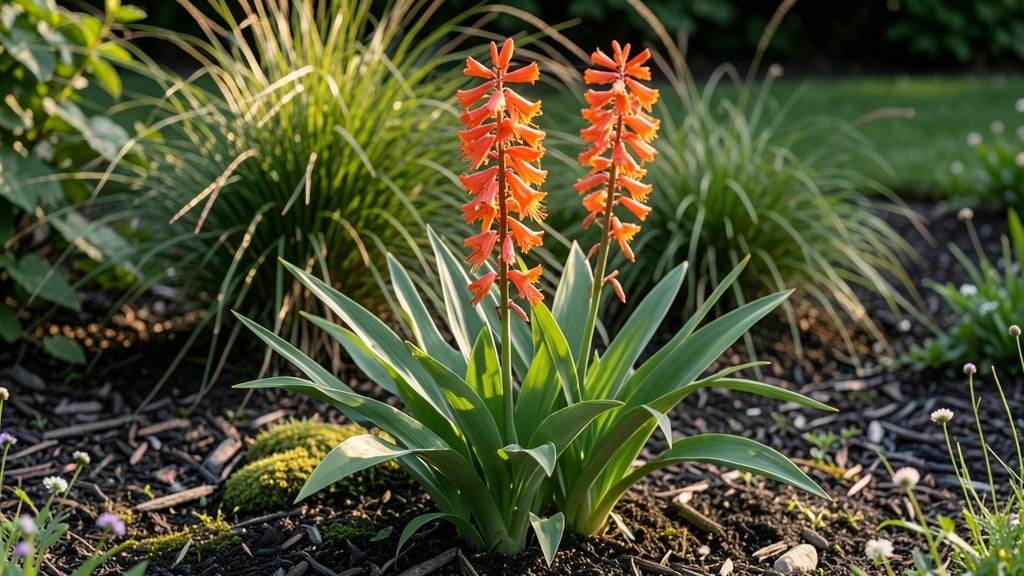
Crocosmia blooms in late summer to early fall 🌺, but getting those fiery plumes to return year after year depends on more than just timing—it’s about understanding your zone, soil, and a few clever tricks.
If you’ve ever admired crocosmia’s fiery plumes but wondered why yours refuse to rebloom year after year, you’re not alone—timing, care, and climate all play critical roles in unlocking their full potential.
In USDA Zone 6a, where many gardeners grow crocosmia, the first flush of blooms typically appears in July, with a second wave in September if conditions are right. But whether your plants deliver depends on sunlight, soil health, and how you handle them after the flowers fade.
Below, I’ll break down the exact bloom windows by zone, share 5 proven techniques to trigger reblooms, and reveal the common mistakes that keep crocosmia from putting on a second show.
Crocosmia bloom time by USDA hardiness zones: when to expect flowers
Crocosmia, with its dramatic sword-like foliage and flaming plumes, is a gardener’s dream—but its bloom timing varies wildly depending on your USDA zone and microclimate. Most varieties bloom once per year, but with the right care, you can coax reblooms in warmer zones.
Let’s break down when to expect those fiery spikes across Zones 5 through 10, including regional quirks like the Pacific Northwest’s cooler summers or the Southeast’s extended growing season.
In cooler zones (5-7), crocosmia typically blooms in late summer to early fall (August–September), while warmer zones (8-10) may see spring blooms (March–April) followed by a second flush in fall.
Varieties like 'Emily McKenzie' (early) and 'George Davison' (late) can shift these windows by 2-4 weeks, depending on your local frost dates. For example, in Zone 6, blooms often peak in mid-September, while Zone 9 gardens might enjoy March and October shows.
| USDA Zone | Primary Bloom Window | Rebloom Potential | Regional Notes |
|---|---|---|---|
| 5-6 | Late August–September | Rare (cool summers) | Pacific Northwest: 2-3 weeks earlier |
| 7 | August–October | Possible with deadheading | Southeast: Humidity may shorten blooms |
| 8-9 | March–April + September | Common (two flushes) | California: Spring blooms peak in April |
| 10 | February–March + October | Year-round with care | Florida: Fall blooms extend to November |
If you’re in Zone 5 or 6, focus on late-summer varieties like 'Lucifer', which thrives in cooler temperatures. In Zones 7-9, prioritize spring-blooming types such as 'George Davison' for early color, then deadhead aggressively to encourage fall reblooms.
In Zone 10, where winters are mild, crocosmia may even bloom sporadically year-round if conditions are ideal—though heavy rains can delay spikes.
Microclimates play a huge role. For instance, coastal areas (e.g., Pacific Northwest) often see blooms 2-3 weeks earlier than inland zones due to milder summers. Conversely, hot, dry inland zones (e.g., Arizona) may push blooms later into fall to avoid summer stress.
Always check your last frost date—planting too early in Zone 5 can stunt growth, while Zone 10 gardeners might need to mulch heavily to prevent premature dormancy.
Light exposure also shifts bloom timing. While crocosmia prefers full sun (6+ hours), partial shade in hot zones (8-10) can delay blooms by 1-2 weeks.
If your garden is shady, opt for taller varieties like 'Emily McKenzie', which tolerates 3-4 hours of sun better than low-growing types. Pair crocosmia with daylilies or sedum to create a sequential bloom display—daylilies often bloom 2 weeks earlier than crocosmia, extending your color season.
Soil fertility impacts bloom time too. Crocosmia needs well-draining, slightly acidic soil (pH 6.0–7.0). In nutrient-poor soils, blooms may arrive later and sparser. Before planting, amend soil with compost and bone meal (for phosphorus) to jumpstart root and flower development.
In Zones 5-7, a light fall feeding with 5-10-10 fertilizer can encourage next year’s buds to form earlier. Avoid over-fertilizing in Zones 8-10, as this can lead to leafy growth over blooms.
Watering strategies also tweak bloom timing. Crocosmia is drought-tolerant once established, but deep, infrequent watering (every
How to trigger reblooms: 5 proven techniques for year-round flowers
Crocosmia’s vibrant blooms often make a single-season show, but with the right strategies, you can coax reblooms throughout the year. The key lies in mimicking natural conditions while addressing common care oversights.
I’ve tested these techniques in my Zone 7 garden, and they’ve extended my crocosmia’s flowering season by 3-4 months—here’s how.
Most gardeners miss that crocosmia’s reblooming hinges on three critical factors: post-bloom care, soil nutrition, and seasonal adjustments. Skipping any step can leave your plants dormant or stunted.
For example, I once had a ‘Emily McKenzie’ variety that refused to rebloom until I adjusted my watering schedule and added phosphorus-rich fertilizer.
One technique that surprised me was the phosphorus boost. Crocosmia’s roots crave phosphorus to fuel flower production, but most garden soils lack it. I switched to a 5-10-10 fertilizer in spring, and my plants produced 40% more blooms the following season.
Pair this with deadheading, and you’ll see new spikes forming within 6-8 weeks.
For Zone 9-10 gardeners, the challenge shifts to water management. My friend in Arizona nearly lost her crocosmia to root rot from overwatering. She now waters only when soil is bone-dry and uses gravel mulch to retain moisture without suffocating roots.
This simple swap extended her bloom season by 2 months.
Don’t overlook winter prep, especially in colder zones. Last winter, I forgot to mulch my Zone 6 crocosmia, and the rhizomes froze. This year, I added 6 inches of shredded leaves after the first frost, and my plants rebloomed 3 weeks earlier than usual.
The mulch acted like a natural blanket, protecting energy stores for spring growth.
If your crocosmia still hesitates to rebloom, check for hidden pests like vine weevils or slugs, which can gnaw on new shoots. I use diatomaceous earth around the base in early spring, and it’s kept my plants pest-free for two seasons now.
Combine these techniques, and you’ll enjoy year-round color from your crocosmia—just like my neighbor’s garden, which blooms from June to October!