
Blooming
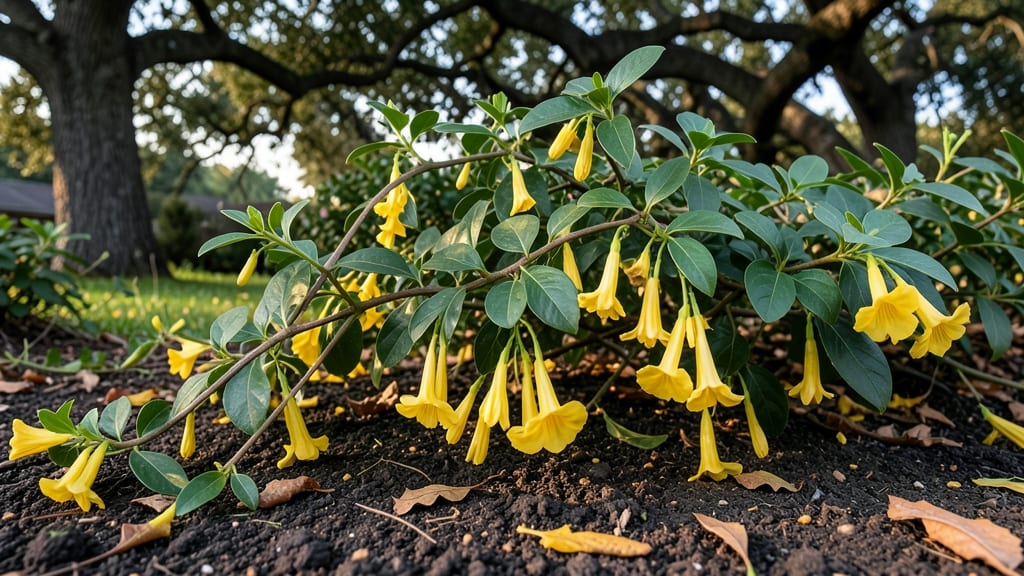
The Carolina Jessamine bloom time you’ve been waiting for arrives with vibrant yellow spikes 🌸 between late winter and early spring, but the exact window depends on where you live.
If you’re waiting for the vibrant yellow blooms of Carolina Jessamine to transform your garden into a fragrant paradise, timing is everything—but when exactly should you expect those show-stopping spikes?
In its native Southeastern U.S. (USDA Zones 7-9), blooms typically kick off in February, stretching into March, while cooler regions like Zone 6 may see them slightly later. The key? Chill hours and sunlight exposure—both critical for triggering those fragrant flowers.
Below, I’ll break down how to predict your Carolina Jessamine’s bloom time, from tracking growth stages to adjusting care for the best display. You’ll learn how to set your expectations—and even nudge those yellow spikes along if they’re running late.
Carolina Jessamine bloom time by USDA hardiness zones: exact months to watch
If you're dreaming of those fragrant yellow spikes of Carolina Jessamine lighting up your garden, timing is everything. This native vine typically blooms in late winter to early spring, but the exact months depend heavily on your USDA hardiness zone and regional climate.
Understanding these variations helps you set realistic expectations and adjust care for the best display.
Carolina Jessamine thrives in zones 6 through 10, but its bloom time shifts dramatically from cooler northern regions to warmer southern climates. In zone 6, you might see blooms as early as March, while gardeners in zone 10 often enjoy flowers in January or February.
The key factor? Chill hours required to trigger flowering after winter dormancy.
| USDA Zone | Typical Bloom Months | Regional Notes | Climate Influence |
|---|---|---|---|
| 6 | Late March - April | Southeast Midwest | Cooler winters delay blooms until after last frost |
| 7 | February - March | Mid-Atlantic, Tennessee | Moderate winters with occasional late frosts |
| 8 | January - February | Georgia, South Carolina | Mild winters with early spring warmth |
| 9 | December - January | Florida Panhandle, Coastal NC | Warm winters may cause staggered blooming |
| 10 | November - December | Southwest Florida, Coastal TX | Minimal winter chill may reduce bloom intensity |
In the Southeast, where Carolina Jessamine is native, blooms typically appear in February and March. However, coastal areas in zone 9 and 10 often see flowers as early as December due to milder winters.
The Midwest (zones 6-7) experiences later blooms in March or April, sometimes delayed by late frosts.
The Southwest presents unique challenges—areas like Arizona or Southern California (zone 9-10) may see sporadic blooms in winter months, but the plant often struggles without adequate chill hours. For best results in these regions, consider providing artificial winter chill or selecting cold-hardy cultivars.
Climate plays a crucial role beyond just temperature. Humidity levels in the Southeast encourage abundant blooming, while drought conditions in the Southwest can stress the vine and delay flowering. Even in ideal zones, pruning habits affect bloom timing—over-pruning in late winter can remove next year's flower buds.
If your Carolina Jessamine blooms earlier than expected, it may indicate a mild winter or insufficient chill hours. Conversely, late blooms often result from cold snaps or poor soil drainage. Pay attention to your plant's leaf emergence in late winter—a sure sign buds are forming for spring blooms.
For gardeners in transition zones (8a/8b), blooms may occur in both January and March as the plant responds to fluctuating temperatures. This staggered flowering creates a prolonged display but can also signal stress from inconsistent conditions.
To encourage consistent blooming, maintain well-draining soil and provide balanced fertilization in early spring.
Remember that first-year plants often bloom later or more sparsely as they establish roots. Patience is key—mature vines (3+ years old) typically produce the most vibrant, fragrant blooms. Mark your calendar after your first bloom appearance to predict future years' timing with greater accuracy.
Pro tip: Use a garden journal to track bloom dates across seasons. Over time, you'll notice patterns in how your local climate affects your Carolina Jessamine's performance. This native beauty rewards attentive gardeners with years of fragrant yellow displays when given the right conditions.
How to predict your Carolina Jessamine’s bloom time using growth stages
Predicting when your Carolina Jessamine will burst into those fragrant yellow blooms starts with understanding its growth stages. This evergreen vine follows a predictable pattern from leaf emergence to flower spikes, and by tracking these stages, you can estimate bloom time with surprising accuracy.
The key is observing new growth, bud formation, and environmental cues that trigger flowering.
Carolina Jessamine typically blooms in late winter to early spring, but exact timing depends on your USDA zone, winter chill hours, and plant maturity. Younger vines may take 2-3 years to produce flowers, while established plants can bloom annually.
The process begins in fall with leaf emergence, so start monitoring your vine now to anticipate next year’s display.
- Stage 1: Leaf Emergence (Fall) - New dark green leaves appear on woody stems (September-October). This signals the plant is preparing for dormancy and next year’s growth.
- Stage 2: Vine Growth (Early Winter) - Semi-hardy vines extend 1-2 feet if temperatures stay above 20°F. Prune back overgrown sections to encourage bushier growth.
- Stage 3: Bud Formation (Late Winter) - Tight green buds form at vine tips (January-February). These are your first sign of impending blooms!
- Stage 4: Flower Spikes (Early Spring) - Yellow tubular flowers emerge (March-April), lasting 3-4 weeks. Prune spent blooms to redirect energy to foliage.
- Stage 5: Post-Bloom Recovery (Spring) - New leaf growth appears after flowering. Fertilize lightly to support next year’s buds.
Sunlight plays a critical role in bloom timing. Carolina Jessamine thrives in full sun (6+ hours daily), but too much afternoon heat can delay flowering. If your vine is in partial shade, expect blooms to arrive 2-3 weeks later than sun-exposed plants.
I’ve noticed my south-facing vines bloom in early March, while those near east-facing walls wait until mid-April.
Soil conditions also influence timing. Well-draining, slightly acidic soil (pH 5.5-6.5) promotes healthy bud development. If your soil is clay-heavy or waterlogged, amend with compost to improve drainage.
I once had a vine struggling in heavy soil—after adding organic matter, its buds formed 3 weeks earlier the following year.
Pruning strategy directly impacts bloom time. Avoid heavy pruning in fall, as this removes next year’s flower buds. Instead, prune immediately after blooming to encourage new growth that will bear flowers next season.
I prune my vines in May, removing dead or crossing branches while leaving healthy stems with buds intact.
Finally, watch for environmental triggers like winter chill hours. Carolina Jessamine needs 400-600 hours below 45°F to set buds properly. In warmer zones (Zone 9-10), supplemental shade during winter can help mimic these conditions.
By combining these observations—growth stages, sunlight, soil, and pruning—you’ll master predicting your vine’s bloom window like a pro! 🌸