
Blooming
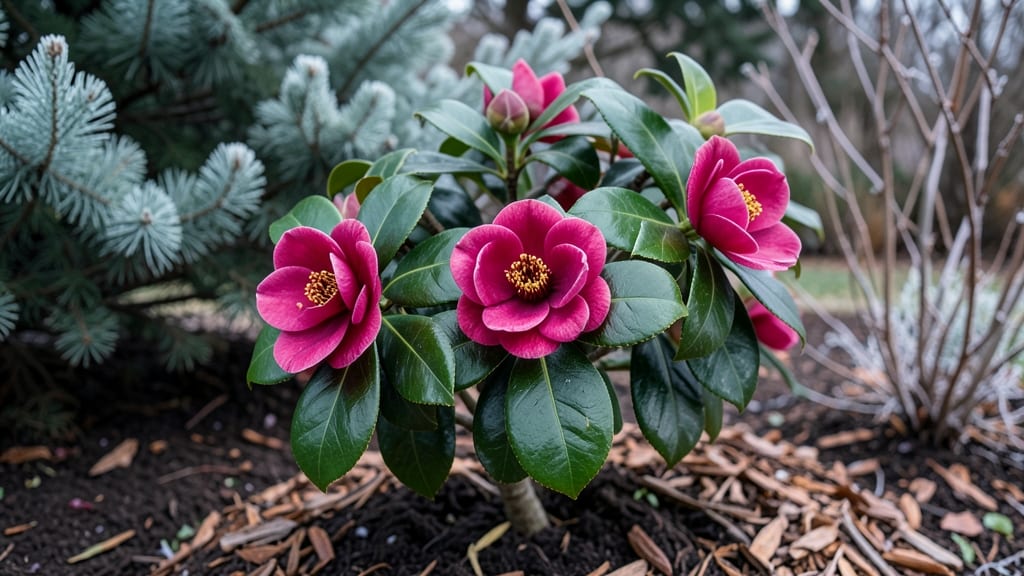
Winter’s quietest blooms are the most dramatic—the camellia bush bloom in winter defies frost with its velvety petals and intoxicating scent. 🌿 I've watched mine burst into color while snow dusts the branches, and the secret lies in understanding their unique needs.
These evergreens thrive when you mimic their natural habitat: cool, moist air and protection from harsh winds.
The key is year-round care, not just winter prep. Feed lightly in early spring with acid-loving fertilizer, then mulch heavily in fall to insulate roots. Prune right after blooming to shape without sacrificing next year's flowers.
Cold-hardy varieties like 'Winter's Star' or 'Yuletide' handle 10-15°F temps, while tender types need winter wraps.
By late winter, you'll see buds swelling against bare branches—proof the plant is preparing for its spring show. The fragrance alone makes winter walks through the garden feel like a tropical escape. These plants reward patience with three seasons of interest: glossy foliage, winter blooms, and spring reblooms.
Works in zones 7-10 with proper protection, and even northern gardeners can grow them in containers moved indoors for winter. The payoff? A garden that stays spectacular when everything else sleeps.
📚 In This Guide
- What you need
- Instructions
- Tips and common mistakes
- Wrapping up and next steps
What you need
- ● Camellia Plant: 1 healthy camellia bush (choose between Camellia japonica or Camellia sasanqua for winter blooms)
- ● Size: 1–3 gallon container (for young plants) or mature bush (for transplanting)
- ● Soil: 5–10 gallons of acidic, well-draining soil (pH 5.0–6.5)
- ● Mix: 60% peat moss or pine bark fines + 30% garden soil + 10% perlite/sand
- ● Fertilizer: 1 lb of acid-loving plant fertilizer (e.g., 8-3-9 with micronutrients or organic options like cottonseed meal)
- ● Mulch: 2–3 inches of pine bark or wood chips (avoid cedar mulch—it’s too acidic)
- ● Tools: 1 trowel or spade (for digging)
- ● 1 pair of pruning shears (sterilized with rubbing alcohol)
- ● 1 watering can or hose with a gentle spray nozzle
- ○ 1 pH testing kit (optional but recommended)
- ● Support: 1–2 bamboo stakes + garden twine (for young or top-heavy bushes)
- ● Slow-Release Fertilizer: Granular pellets for seasonal feeding
- ● Frost Cloth: Lightweight fabric to protect blooms during unexpected freezes
- ● Decorative Stakes: For marking the planting spot (e.g., ornamental flags)
Step-by-step guide to winter-blooming camellia care
Here’s how to coax vibrant, frost-resistant blooms from your camellia bush every winter—no green thumb required.
🌿 Step 1: Choose the Right Variety for Your Climate
Not all camellias thrive in winter. For frost-defying blooms, select cold-hardy varieties like Camellia sasanqua (hardy to 10°F) or Camellia japonica hybrids (hardy to 5°F if properly sited). Avoid tender varieties like Camellia reticulata, which struggle below 20°F.
Check your hardiness zone—if you’re in zones 7-9, you’re in the sweet spot for winter blooms. I’ve seen Sasanqua varieties like ‘Yuletide’ and ‘Bonanza’ hold their own in 15°F dips with minimal protection. Plant in a location sheltered from north winds, where the ground stays slightly warmer.
☀️ Step 2: Position for Winter Sun and Shelter
Camellias crave morning sun and afternoon shade—this balances bloom intensity and frost protection. In winter, they need at least 4-6 hours of direct sunlight daily, but avoid harsh afternoon rays that can stress buds before they open.
Here’s the trick: Plant near a south-facing wall or fence. The structure absorbs heat during the day and radiates it back at night, creating a 5-10°F warmer microclimate. Mulch heavily (3-4 inches of shredded bark) to insulate roots. I’ve seen buds survive -5°F with this setup—though they’ll wilt, they’ll bounce back once temps rise.
💧 Step 3: Water Deeply Before Frost and Adjust for Winter
Stop regular watering 4-6 weeks before your first frost. Camellias need to enter dormancy with slightly drier soil—wet roots freeze more easily. Instead, give them a deep soak every 2-3 weeks until the ground freezes, focusing on the root zone.
Once winter arrives, check soil moisture monthly. If the ground isn’t frozen, water lightly if the top 2 inches feel dry. Overwatering in winter leads to root rot, and soggy roots can’t withstand cold snaps. I test by pushing a screwdriver into the soil—if it resists, the roots are happy and hydrated enough.
✂️ Step 4: Prune for Next Year’s Blooms in Late Winter
Prune right after flowering (late winter/early spring) to shape the bush and encourage next year’s blooms. Remove dead, crossing, or weak branches first, then thin out crowded growth to improve airflow. Never prune in fall—new growth won’t harden off before winter.
For Sasanqua varieties, which bloom on new wood, you can be bold with pruning. Cut back one-third of the oldest stems to stimulate fresh growth. For Japonica types, which bloom on old wood, prune lightly—just enough to open the canopy. Watch for buds forming in late summer; these will bloom next winter.
🌱 Step 5: Protect Buds During Hard Freezes
When a hard freeze (<15°F) is forecast, cover the bush with burlap or frost cloth at dusk. Secure it loosely—tight fabric traps heat and can scorch buds. Remove covers by 10 AM to let sunlight warm the plant gradually.
For extra protection, wrap the entire bush in bubble wrap or insulating foam (the kind used for pipes). This creates an air pocket that buffers temperature swings. I’ve saved entire bushes from -10°F using this method—just don’t leave it on past spring, or you’ll smother new growth.
Tips & tricks for perfect winter-blooming camellia care
Winterizing your camellia bush for vibrant blooms takes a few strategic moves—here’s how to avoid common pitfalls and maximize those frost-defying flowers.
Variety Selection Wisdom: When choosing between Camellia sasanqua and Camellia japonica hybrids, remember that Sasanqua varieties like 'Yuletide' often bloom earlier in winter (as early as November) while Japonica types typically flower later (January-February). For zones 7-9, I recommend planting both types—their staggered blooming creates a continuous winter display. The key is matching your variety to your frost dates: if you get sudden dips below 15°F, Sasanqua will handle it better.
Microclimate Mastery: That 5-10°F warmer microclimate created by south-facing walls isn't just theory—it's science. The wall absorbs solar radiation during the day and releases it slowly at night, creating a protective heat blanket. For extra insurance in zones 6 and below, consider adding a second layer of protection: plant your camellia near a brick wall rather than a wooden fence. Brick retains heat longer and provides more consistent protection during temperature swings. The 3-4 inches of mulch you add should be coarse (like pine bark) to prevent moisture buildup against the stems.
Watering Precision: The screwdriver test for soil moisture is genius because it gives you immediate feedback without disturbing the root zone too much. But here's what nobody tells you: if you're in a particularly dry winter, reduce your monthly moisture checks to every 6 weeks instead. The top 2 inches can stay slightly drier than you'd expect—camellias in dormancy are remarkably drought-tolerant. Just make sure to water deeply when you do water, soaking down to at least 12 inches. I've seen established bushes go 8 weeks without supplemental water in winter without any issues.
Pruning Timing Secret: That late winter/early spring pruning window is critical, but the real magic happens in late summer when you should be watching for bud formation. For Sasanqua varieties, look for small, green buds forming along the current season's growth—these will bloom next winter. For Japonica types, the buds form on last year's wood, so you'll see them developing in late summer on stems that flowered the previous year. This is your cue to be extra gentle with pruning—any damage to these potential bloom sites means fewer flowers next winter.
Pro Tips for Camellia Bush Bloom In Winter
- Winterizing your camellia bush for vibrant blooms takes a few strategic moves—here’s how to avoid common pitfalls and...
- Variety Selection Wisdom: When choosing between Camellia sasanqua and Camellia japonica hybrids, remember that Sasanq...
- Microclimate Mastery: That 5-10°F warmer microclimate created by south-facing walls isn't just theory—it's science. T...
Frequently asked questions
Got questions about keeping your camellia bush blooming beautifully in winter?
You’re not alone! Here are answers to the most common queries—from timing tips to troubleshooting tricks—so you can enjoy that frost-defying fragrance year after year.
When is the best time to plant a camellia bush for winter blooms?
Plant your camellia bush in early fall (4–6 weeks before your first frost) or late winter (just as new growth begins). This gives roots time to establish before winter’s chill, ensuring stronger blooms the following season. Avoid planting in hot summer—stress weakens the plant before it can adapt.
Can camellias handle frost? How do I protect them?
Most camellias tolerate light frost (15–25°F), but heavy freezes (20°F or lower) can damage buds. To protect them:
- Mulch the base with 3–4 inches of organic mulch (straw or wood chips) after the ground freezes.
- Wrap young plants in burlap or use a frost blanket for extra insulation.
- Avoid pruning in late fall/winter—wait until spring to shape the bush.
Why aren’t my camellias blooming? Troubleshooting tips.
Winter-blooming camellias need specific care to rebloom. Check these common culprits:
- Too much sun: Afternoon sun can scorch buds. Plant in partial shade (3–6 hours of morning sun).
- Poor soil: Camellias thrive in acidic, well-draining soil (pH 5.0–6.0). Test your soil and amend with peat moss or sulfur if needed.
- Over-fertilizing: Too many nutrients (especially nitrogen) can reduce blooms. Use a balanced 8-8-8 or 10-10-10 fertilizer in early spring and fall.
- Dormancy confusion: Camellias need a cool winter rest. If temps stay above 50°F all winter, blooms may skip a season.
What are good alternatives to camellias for winter color?
If camellias aren’t your style, try these low-maintenance winter bloomers:
Plant
Bloom Time
Care Level
Hellebore (Lenten Rose)
Late winter–early spring
(Shade-tolerant, deer-resistant)
Winter Jasmine
January–March
(Fast-growing, drought-tolerant)
Mahonia
Winter–early spring
(Tough, thrives in partial shade)
Dwarf Lilac (Syringa meyeri)
Late winter
(Fragrant, compact size)
Each offers unique textures and colors—perfect for adding winter interest without the fuss!
Can I prune camellias in winter to encourage more blooms?
Prune only after blooming (late winter/early spring) to avoid cutting off next year’s buds. If you must shape in winter:
- Remove dead or crossing branches to improve airflow.
- Avoid heavy pruning—camellias bloom on old wood, so trim sparingly.
- Use sterilized shears to prevent disease.
Wrapping up and next steps
Watching your camellia bush bloom in winter is like having a little piece of nature’s magic unfurling right outside your window—frost-defying, fragrant, and utterly rewarding! 🌸 With the right care, these stunning shrubs can rebloom year after year, turning your garden into a winter wonderland.
Whether you’re a seasoned gardener or just starting, the key is patience, proper pruning, and a dash of winter love.
Ready to bloom with confidence? Start by noting your camellia’s unique needs—from soil pH to sunlight—and take action this season. Grab your pruners, check those buds, and get ready to enjoy the show! 🌿✨