
Blooming
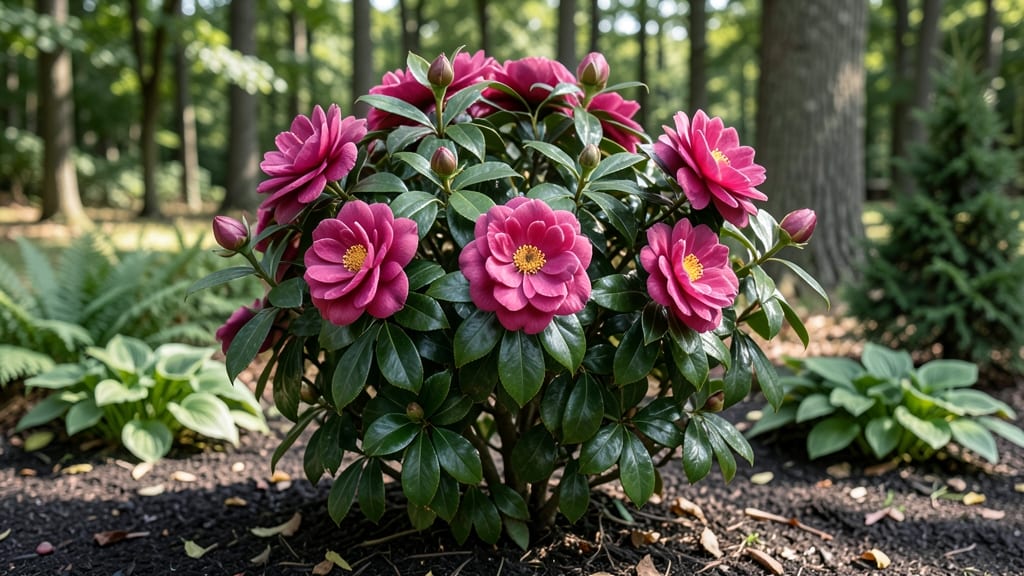
Camellias bloom in winter and spring 🌸, but the exact timing depends on your zone, variety, and a few simple seasonal tweaks you can control.
Picture this: You’ve waited all year, and your camellia shrubs still look like leafy placeholders. The reason? Most gardeners focus on watering or pruning—but the real secret is understanding your climate’s chill hours and temperature triggers.
From Zone 7’s late-winter bursts to Zone 10’s spring blooms, each region has its own schedule. Below, I’ll break down the zone-specific windows for first flowers, plus how to nudge your camellia into blooming earlier—or more abundantly—with just a few adjustments.
You’ll learn which varieties thrive in your area, how to read your plant’s signals (like bud swell), and the one pruning mistake that kills next year’s blooms. Ready to turn those leafy shrubs into a winter-spring showstopper?
Camellia bloom time by USDA hardiness zones: when to expect flowers
If you’ve ever waited eagerly for your camellia shrubs to bloom only to be disappointed, your USDA hardiness zone is likely the culprit. Camellias are finicky about timing—some burst into fall-winter flowers, while others wait until late winter or spring.
Understanding your zone’s temperature thresholds and chill hour requirements (600–900 hours below 45°F) will help you predict—and even encourage—those stunning blooms.
The key to camellia bloom time lies in your climate. In Zone 7, expect early bloomers like Camellia sasanqua to flower in late fall or winter, while Zone 10 gardeners may see spring-blooming varieties like Camellia japonica push flowers later.
Heat stress in warmer zones can delay blooms, so shade and consistent moisture play critical roles.
🌸 Camellia Bloom Time by Zone
| Zone | Bloom Window | Key Varieties | Temperature Trigger | Care Tip |
|---|---|---|---|---|
| 7 | Late October–December | Camellia sasanqua, 'Yuletide' | 50–60°F days, 40°F nights | Mulch heavily in winter |
| 8 | November–February | Camellia japonica, 'Spring’s Promise' | 45–55°F days, 35°F nights | Prune after blooming |
| 9 | December–March | Camellia reticulata, 'Elegans' | 55–65°F days, 40°F nights | Provide afternoon shade |
| 10 | January–April | Camellia 'Donation', 'Yuletide' | 60–70°F days, 45°F nights | Water deeply in summer |
In Zone 7, fall-blooming camellias like Camellia sasanqua thrive when daytime temperatures hover around 50–60°F. These varieties often flower as early as late October, offering a holiday-season spectacle. If your zone experiences frost threats, protect buds with burlap wraps or lightweight row covers.
Gardeners in Zone 8 enjoy a longer bloom window, with winter-spring camellias like Camellia japonica lighting up gardens from November to February. The 600–900 chill hours requirement is critical here—without enough cold, blooms may fail entirely.
Monitor your local weather station to track chill hours and adjust care accordingly.
For Zone 9 and Zone 10, spring-blooming varieties dominate, with Camellia reticulata and hybrids like 'Elegans' often flowering from December to April. However, heat stress in Zone 10 can delay blooms.
Provide afternoon shade and consistent moisture to keep plants healthy. In Zone 10’s mild winters, some varieties may bloom year-round if conditions are ideal.
If your camellias skip blooming, check for over-fertilization (too much nitrogen = more leaves, fewer flowers) or poor drainage. In Zone 7–8, a light winter prune can encourage next year’s buds, while Zone 9–10 plants benefit from summer shade cloth to prevent heat stress.
Pro tip: Fall is the best time to plant camellias in Zones 7–9, giving roots time to establish before winter. In Zone 10, plant in early spring to avoid summer heat shock.
With the right zone-specific care, your camellias will reward you with vibrant blooms for years to come. 🌿
How temperature swings and chill hours control Camellia flowering
Camellias are finicky about timing—some burst into bloom during winter’s chill while others wait for spring’s warmth. This isn’t random luck; it’s a precise response to temperature swings and chill hours, the cold periods plants need to trigger flowering.
Most camellias require 600-900 chill hours below 45°F (7°C) to set buds, but varieties like Camellia sasanqua bloom in fall-winter, while Camellia japonica often waits until spring.
The magic happens when your camellia experiences a gradual temperature drop after summer’s heat. This shift signals the plant to stop vegetative growth and focus on flower buds.
Too little chill (fewer than 600 hours) delays blooms, while too much (over 1,000 hours) can stress the plant. In Zone 10+, where winters are mild, camellias may never get enough chill hours naturally, leading to sparse or no flowers.
- 🌡️ Chill Hours: 600-900 hours below 45°F (7°C) to trigger buds. Sasanqua varieties need 300-500 hours; Japonica often require 800-1,000 hours.
- ❄️ Temperature Swings: Gradual drops (not sudden freezes) from 70°F→40°F (21°C→4°C) in fall/winter signal bud formation.
- ☀️ Heat Stress: Zone 10+ plants may need artificial chill (e.g., shade cloth in summer) to avoid heat shock and missed blooms.
- 🌱 Bud Formation: Buds form 8-12 weeks before blooming; prune after flowers fade to avoid cutting next year’s buds.
- 🔄 Spring Warmth: 50-60°F (10-15°C) days post-chill trigger petal unfurling. Faster warming = earlier blooms.
If you’re in Zone 7-9, your camellias likely rely on natural chill hours, but you can accelerate blooms by ensuring they get consistent morning sun and afternoon shade. In Zone 10+, where winters rarely drop below 50°F (10°C), you’ll need to mimic chill conditions.
Try wrapping the plant in burlap during summer’s hottest months or moving potted camellias to a cooler garage for 4-6 weeks to meet chill hour requirements.
Watch for bud set in late summer—tiny green swellings on stems. If buds form but drop off, it’s often due to inconsistent temperatures or drought stress. Keep soil moist but not soggy during bud formation, and avoid heavy pruning in fall, which removes next year’s flower buds.
For Zone 10 gardeners, heat is the real enemy. Camellias in San Diego or Miami may struggle with heat stress above 90°F (32°C), which can prevent bud set entirely.
Use drip irrigation to keep roots cool and mulch heavily with pine bark to insulate roots. Some growers even use fan cooling during summer to lower leaf temperatures by 5-10°F (3-6°C).
Remember, patience is key. Young camellias (under 3 years old) may not bloom until they’ve built enough energy.
Focus on soil health, proper pruning, and seasonal care, and your camellia will reward you with vibrant blooms at the perfect time—whether that’s a winter wonderland or a spring spectacle. 🌸