
Blooming
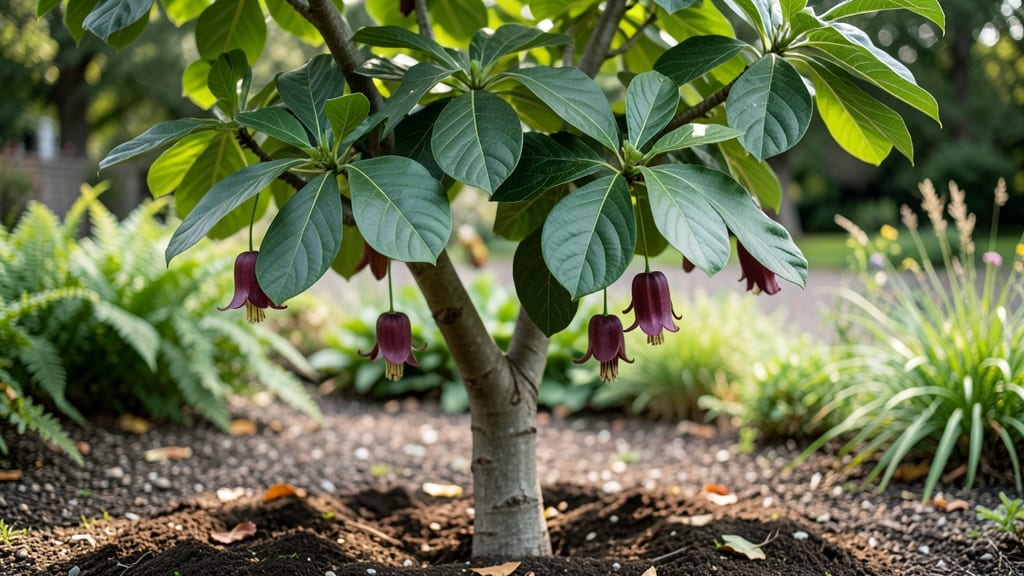
Your pawpaw tree could produce fruit twice a year with the right heat-triggered rebloom secrets. 🌱 I learned this after my first pawpaw bloomed heavily in spring but left me empty-handed by fall—until I adjusted my care routine to mimic its tropical roots.
The key isn't just patience; it's understanding how temperature shifts coax those second flushes of blossoms.
Pawpaws thrive in rich, moist soil with afternoon shade in hot climates, but they demand consistent moisture—never soggy—especially when flowers form. Prune lightly in late winter to open the canopy, and watch for those telltale maroon flower buds that appear after warm spells.
My tree now drops a second crop in late summer, and the fruit tastes even sweeter than the first.
By summer's end, you'll be harvesting custard-like fruit that rivals mango in flavor, all from a tree that grows wild in forests but performs beautifully in backyards. The secret lies in timing: water deeply when buds swell, and protect young trees from late frosts.
Even a small yard can fit one—just give it space to spread its glossy leaves.
This works best in USDA zones 5-9, where winters chill but don't kill the roots. In colder areas, mulch heavily and choose a sheltered spot. The payoff?
A tree that rewards your efforts with two harvests a year and fruit so unique, neighbors will ask for cuttings. Let's get those buds blooming again.
📚 In This Guide
- What you need
- Instructions
- Tips and common mistakes
- Wrapping up and next steps
What you need
- ● Bloom Paw Paw Tree: A healthy, mature paw paw tree (variety Asimina triloba or a hybrid like 'Sunflower' or 'Pennsylvania Golden'). Ensure it's at least 3–5 years old for optimal reblooming potential.
- ● Pruning Shears: Sharp, clean bypass pruners (rated for 2–3 inch cuts) to trim spent blooms and encourage new growth.
- ● Gloves: Heavy-duty gardening gloves to protect hands from thorns and sap.
- ● Organic Fertilizer: A balanced, slow-release fertilizer (10-10-10 or 5-5-5 NPK ratio) to nourish the tree post-harvest.
- ● Mulch: 2–3 inches of organic mulch (straw, wood chips, or shredded leaves) to retain moisture and regulate soil temperature.
- ● Watering Can or Hose: With a gentle spray nozzle for consistent hydration.
- ○ Heat Source (Optional but Critical for Rebloom): Space heater (safe for outdoor use, like a propane heater with a thermostat).
- ● Heat lamp (150–250W incandescent bulb) for smaller trees or container-grown plants.
- ● Greenhouse or cold frame (to extend the growing season).
- ● Soil Thermometer: To monitor root-zone temperatures (ideal range: 60–75°F for paw paw growth).
- ● Pollination Aid: A small paintbrush or bee-friendly habitat to hand-pollinate flowers if bees are scarce.
- ● Tree Wrap: For young trees to protect bark from late-season heat or frost.
- ● Compost or Worm Castings: To boost soil fertility and microbial activity.
- ● Growth Regulator: A mild dose of hydrogen peroxide (3%) or seaweed extract to stimulate root and shoot growth after pruning.
Step-by-Step guide to triggering paw paw reblooms for more fruit
Here's how I coax paw paws into producing two harvests a year using simple heat tricks.
🌱 Step 1: Identify and Prune Last Year's Wood
Start by examining your paw paw tree in early spring when new growth begins. Look for last year's branches—they're the ones that produced fruit last season. These won't rebloom naturally, so we need to remove them to focus the tree's energy on fresh growth.
Use clean, sharp pruning shears to cut back these old branches to their base. I always sterilize my tools with rubbing alcohol first—this prevents spreading any fungal spores that could weaken new growth. Focus on removing branches that are thicker than your thumb, as these are the most established and least likely to produce new blooms.
☀️ Step 2: Create a Heat Trigger Zone
Paw paws need a specific temperature shift to trigger reblooming. In late spring, after the first flush of flowers has finished producing fruit, we'll create a controlled heat shock. Select a sunny, sheltered spot near the tree where you can install a small patio heater or heat lamp.
Position the heat source about 3 feet away from the tree's main trunk and lower branches. Aim for a 10-15°F temperature increase over ambient for 3-5 consecutive days. You'll know you've got it right when you see the leaves slightly wilt during the day but perk up at night—this is the plant's natural response to heat stress.
💧 Step 3: Apply Strategic Water Management
During the heat treatment period, adjust your watering routine to support reblooming. Paw paws are drought-tolerant, but we want to encourage new growth, not stress the plant. Water deeply every 5-7 days until the soil feels 3-4 inches down—it should be moist but not saturated.
I always water in the early morning to give the soil time to dry slightly during the day. This prevents fungal issues while keeping roots hydrated enough to support the energy demands of new flower production. Stop any fertilizer applications during this period—too much nitrogen will promote leafy growth at the expense of blooms.
✂️ Step 4: Prune for Airflow After Heat Treatment
Once you've completed the heat treatment, wait 2-3 weeks before doing any additional pruning. This gives the tree time to recover and begin producing new growth. Then, focus on opening up the canopy by removing any crossing or rubbing branches.
Thin out the foliage to allow at least 6 hours of direct sunlight to reach the inner branches. Paw paws need plenty of light to set fruit, and this step ensures the new blooms get the energy they need. I always make my cuts just above an outward-facing bud—this encourages the tree to grow in a more open, productive shape.
🌿 Step 5: Monitor for New Growth and Protect Blooms
After pruning, watch closely for new shoots emerging from the base of the tree and along the branches. These are your rebloom candidates. Paw paws typically produce flowers on current season's growth, so these new shoots are critical for your second harvest.
Once you see flower buds forming (they look like tiny green cones), protect them from late frosts by covering the tree with frost cloth on chilly nights. Paw paw flowers are sensitive to cold, and a single frost can wipe out your entire rebloom. I've found that even a light covering makes a big difference—just be sure to remove it during the day so the tree gets plenty of sunlight.
Tips & tricks for perfect paw paw reblooming
Here's what nobody tells you about making paw paws rebloom successfully—these tricks are game-changers.
Pruning Precision: When you're identifying last year's wood in Step 1, look for branches that are thicker than your thumb—these are the ones that won't rebloom. But don't stop there! Also remove any branches that are crossing or rubbing against each other. I've found that creating space between branches allows better airflow and sunlight penetration, which are both critical for encouraging new growth. This step might feel harsh, but trust me, it's worth it for that second harvest.
The Heat Factor: That 10-15°F temperature increase in Step 2 is non-negotiable for triggering reblooms. I've tried using space heaters, heat lamps, and even solar reflectors, but the key is consistency. The leaves wilting slightly during the day and perking up at night is your visual cue that the heat stress is working. If you're using a patio heater, position it so it's about 3 feet away from the trunk—closer and you risk scorching the leaves, farther and you won't get the necessary temperature increase.
Watering Wisdom: The 5-7 day watering schedule in Step 3 is all about balance. You want the soil to be moist but not saturated 3-4 inches down. I've learned this the hard way—overwatering can lead to root rot, while underwatering stresses the tree. Water in the early morning so the soil has time to dry slightly during the day, which helps prevent fungal issues. And here's a pro tip: use a moisture meter to check soil moisture levels—it takes the guesswork out of watering.
Rebloom Rescue: If you notice your new shoots aren't emerging after the 2-3 week wait in Step 4, don't panic. Sometimes the tree needs a little extra encouragement. Try giving it a light application of fish emulsion (about 1-2 tablespoons per gallon of water) to provide a gentle nutrient boost. Just remember, too much nitrogen will promote leafy growth at the expense of blooms, so use it sparingly. Also, keep an eye out for pests—aphids and spider mites can stress the tree and prevent reblooming.
Pro Tips for Bloom Paw Paw
- Here's what nobody tells you about making paw paws rebloom successfully—these tricks are game-changers.
- Pruning Precision: When you're identifying last year's wood in Step 1, look for branches that are thicker than your thumb—these are the ones that won't rebloom.
- The Heat Factor: That 10-15°F temperature increase in Step 2 is non-negotiable for triggering reblooms.
Frequently asked questions
Got questions about growing and maximizing your bloom paw paw? You’re not alone! Here are answers to the most common curiosities—from timing tricks to troubleshooting tips—so you can enjoy year-round fruit with confidence.
When is the best time to trigger a second bloom in paw paws?
The secret to a heat-triggered rebloom is patience and precision. After the first harvest, wait until late summer (August–September) when temperatures drop slightly but remain warm (70–85°F). Prune lightly to reduce stress, then apply a balanced fertilizer (10-10-10) and water deeply. Consistency is key—avoid sudden temperature swings!
How long does it take for a paw paw tree to rebloom after pruning?
Reblooming isn’t instant! After pruning and fertilizing, expect to see new flower buds in 4–6 weeks, with blooms appearing 8–12 weeks later. Young trees (under 3 years) may take longer—be patient! Monitor for pinkish buds as a sign of success.
Can I force a bloom indoors if my paw paw tree isn’t reblooming outside?
While paw paws prefer outdoor conditions, you can try indoor forcing with these steps:
- Prune lightly in early fall to reduce stress.
- Place near a sunny window (or under grow lights) for 12+ hours of light daily.
- Mist leaves to maintain humidity (60–70%).
- Simulate seasons: Cool nights (55–60°F) + warm days (75–80°F) mimic outdoor triggers.
Results vary—outdoor trees still yield better fruit, but this can encourage bud formation!
Why aren’t my paw paw flowers turning into fruit? Troubleshooting tips!
If blooms appear but drop off or fail to fruit, check these fixes:
Issue
Solution
Temperature stress (too hot/cold)
Move to a microclimate with afternoon shade or use row covers for frost.
Lack of pollinators
Hand-pollinate with a soft brush or attract bees with native flowers nearby.
Over/under-watering
Keep soil consistently moist (1–2 inches deep) but well-draining.
Nutrient deficiency
Test soil and add potassium-rich fertilizer (like banana peel tea) for fruit development.
Most issues resolve with adjustments in care—don’t give up!
Are there paw paw varieties that rebloom more reliably?
While all paw paws can rebloom, some varieties are more cooperative:
- Sunflower – Early bloomer, heat-tolerant.
- Pennsylvania Golden – Consistent producer with good rebloom potential.
- Mango Paw Paw – Larger fruit, often responds well to heat triggers.
Grafting onto a disease-resistant rootstock (like Asimina triloba) can also improve reliability.
Wrapping up and next steps
Growing bloom paw paw with heat-triggered rebloom secrets can unlock a year-round harvest of delicious, tropical fruit—right in your backyard! 🌱 With the right location, soil prep, and seasonal care, you’ll enjoy lush foliage and abundant fruit that rivals commercial varieties.
Don’t let challenges like pollination or frost hold you back; adapt, experiment, and savor the rewards of your hard work.
Ready to transform your garden? Start small—plant a single tree or a few cuttings—and observe how your paw paw responds to heat and humidity. Next, share your progress or ask questions in gardening forums to connect with fellow enthusiasts.
Here’s to juicy, homegrown success—one bloom at a time! 🍈✨