
Blooming
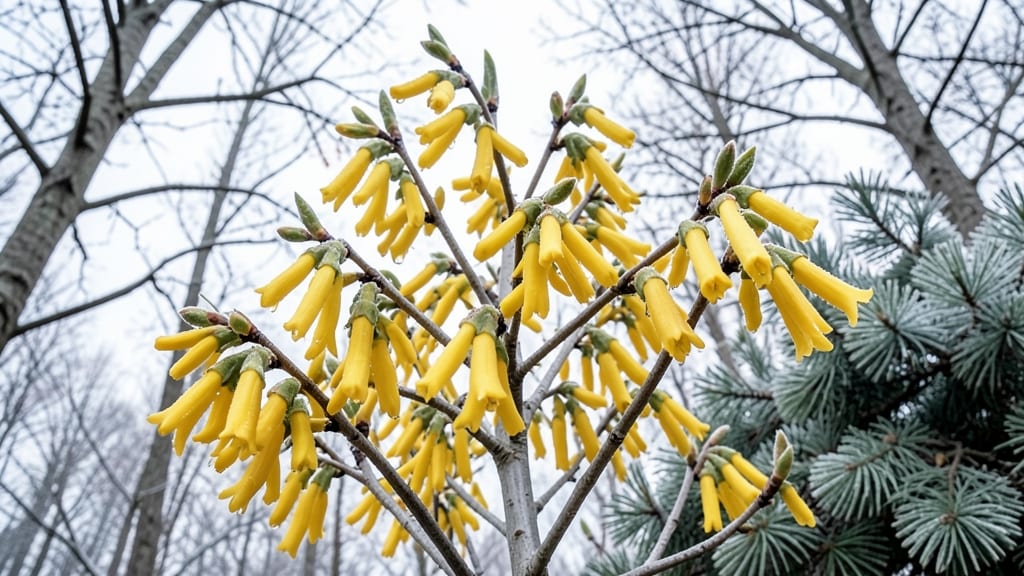
Winter gardens don’t have to be dull—these 10 cold-hardy plants defy frost and bloom beautifully when most flowers sleep. Perfect for year-round color, they’re ideal for gardeners in zones 4-8 who crave vibrant winter interest.
Snowdrops: Delicate White Blooms in Deep Frost
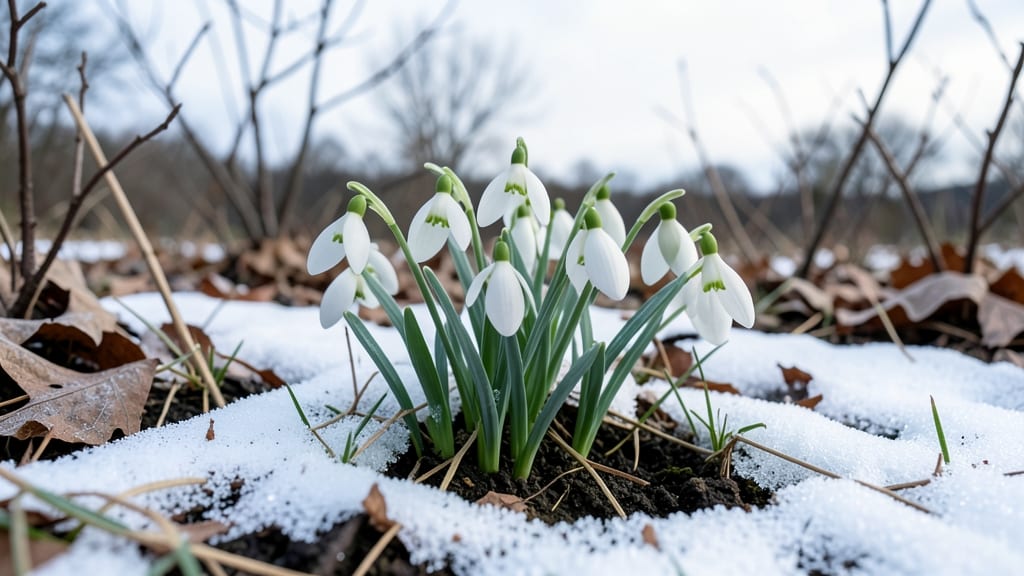
When the world is still wrapped in frost and most gardens lie dormant, snowdrops (Galanthus nivalis) push through the soil like tiny messengers of spring. These delicate white blooms emerge as early as January, often while snow still blankets the ground, making them one of nature’s most hopeful signs.
Thriving in shady, wooded areas where other plants struggle, snowdrops prefer well-draining soil and minimal care—just a light mulch to protect their roots in extreme cold. Their nodding flowers, often marked with green flecks, attract early pollinators like bees and butterflies, even in sub-freezing temperatures. Perfect for woodland gardens, borders, or under trees, they multiply effortlessly over time.
Ideal for gardeners in zones 3-8, snowdrops bring elegance and resilience to winter landscapes. Their early blooms also make them a favorite for forcing indoors, offering a fragrant preview of spring. 🌱
Winter Jasmine: Golden Clusters Against Bare Branches
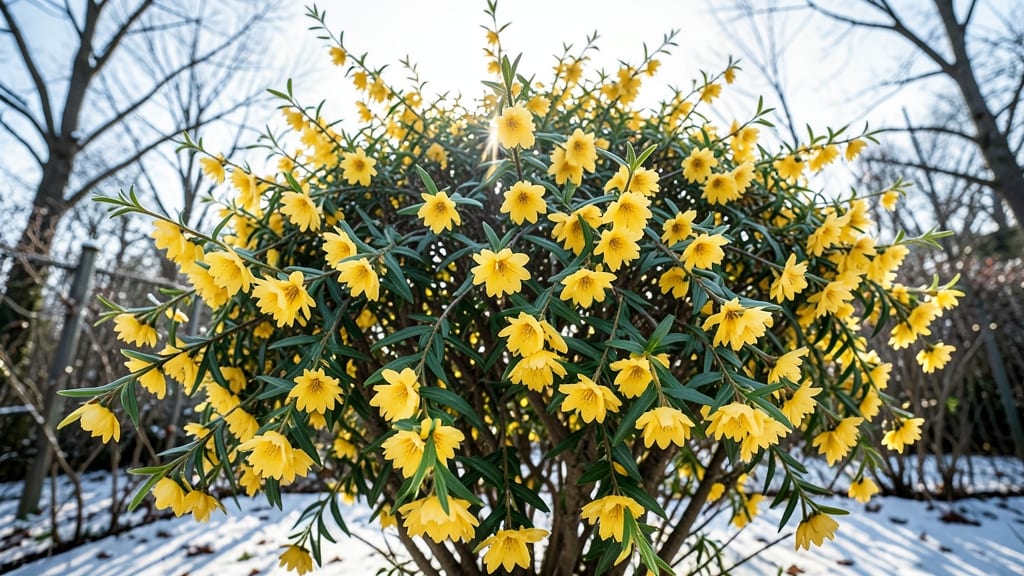
Looking for a fast-growing shrub that turns your winter garden into a golden masterpiece? Winter jasmine (Jasminum nudiflorum) delivers bright yellow blooms in late winter—just when your garden needs a splash of color. Unlike many winter bloomers, it thrives in full sun, making it perfect for trellises, arbors, or climbing walls.
This deciduous shrub grows aggressively, reaching 6–10 feet tall, and its cheerful flowers appear before the leaves emerge. Plant it in well-drained soil, and prune back old stems in early spring to encourage new growth. It’s drought-tolerant once established, making it low-maintenance for busy gardeners.
Urban gardeners and small-space enthusiasts will love how winter jasmine transforms bare walls into a sunny spectacle. Plus, its early blooms attract pollinators, giving your garden a head start in the growing season. 🌻
Hellebores: Shade-Loving Evergreen Perennials with Unique Blooms
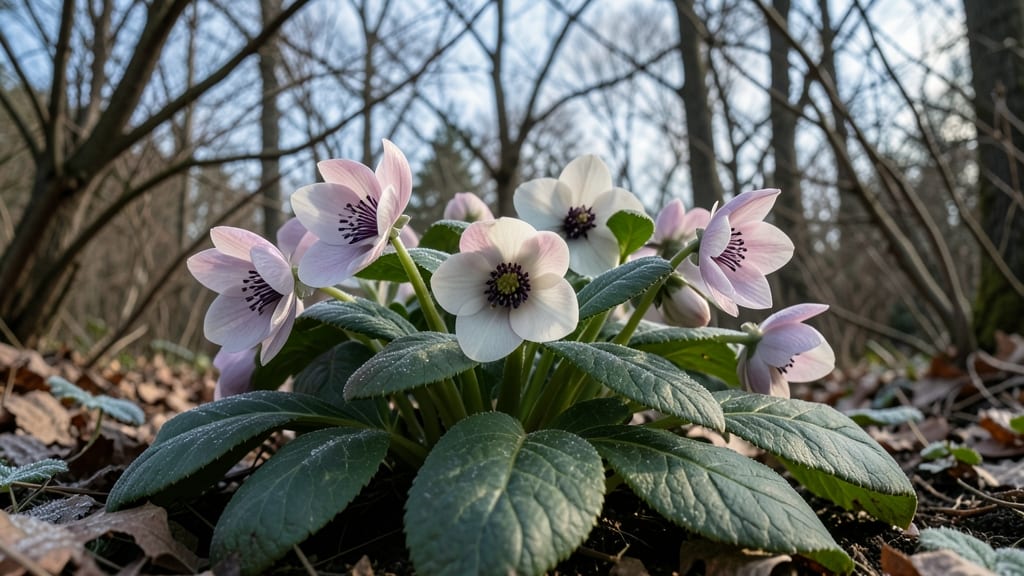
While snowdrops and winter jasmine steal the sun, helleborus (helleborus niger)—or Lenten roses—thrive in the quiet, shaded corners of your garden, offering unique nodding blooms from late winter through spring. These evergreen perennials bring pink, white, or purple flowers that seem to defy the cold, making them perfect for woodland gardens where other plants fade.
Plant them in partial to full shade with moist, well-draining soil, and they’ll reward you with low-maintenance beauty for years. Their leathery, deep green leaves stay attractive even when flowers fade, and deer often avoid them, making them ideal for problem areas. Varieties like ‘Annie’s Ice’ or ‘Pink Frost’ add striking contrast to dark corners or under trees.
Shade gardeners and woodland enthusiasts will love how hellebores create year-round interest, from winter blooms to summer foliage. Their unique flowers also make stunning cut arrangements—just let them dry naturally before bringing them indoors. 💚
Crocus: Tiny but Mighty Purple and White Stars
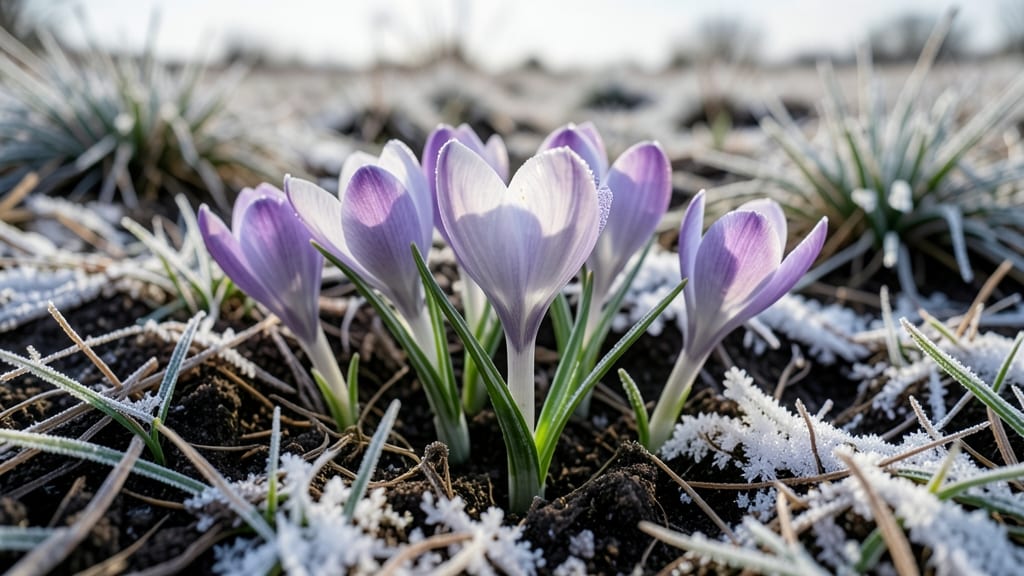
When winter still clings to the landscape and most gardens seem asleep, crocus bulbs burst forth like tiny purple and white stars, signaling the arrival of spring. These hardy bloomers often emerge through snow or frost, offering some of the first color of the year—sometimes as early as January or February in mild climates.
Plant crocus in well-draining soil with full sun to partial shade, and they’ll thrive in lawns, rock gardens, or containers. Their delicate petals attract early pollinators like bees, even when temperatures dip below freezing—a rare treat for winter gardeners. Varieties like Crocus vernus (dutch crocus) or Crocus tommasinianus (woodland crocus) add height and texture to early-season borders.
Perfect for low-maintenance gardeners and urban spaces, crocus multiplies over time, creating naturalized drifts that brighten up dull winter landscapes. Their early blooms also make them ideal for cutting or forcing indoors for a cheerful spring preview. 🌷
Winter Aconite: Bright Yellow Flowers in Late Winter
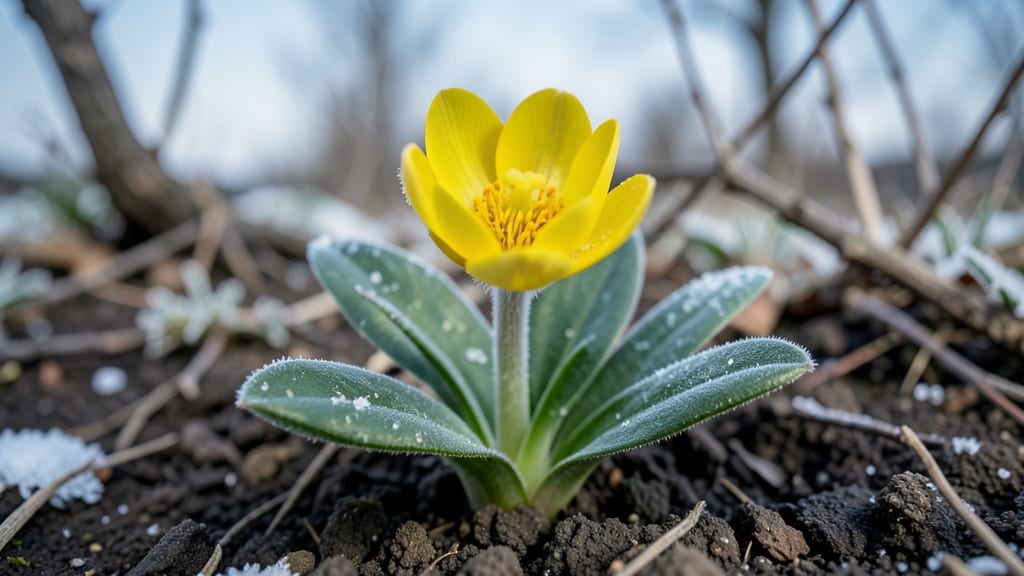
If you’re craving a bold splash of sunshine when most gardens are still asleep, winter aconite (Eranthis hyemalis) is your plant. This cheerful perennial bursts into bright yellow cup-shaped flowers as early as late January, often while snow still lingers—long before daffodils or tulips make their debut.
Unlike shade-loving winter bloomers, winter aconite thrives in full sun to partial shade, making it ideal for sunny slopes, rock gardens, or containers where other plants might struggle. Its compact size (6–12 inches tall) and spreading habit also make it perfect for filling gaps in borders or cascading over walls. Simply plant the corms in well-draining soil in fall, and they’ll reward you with weeks of vibrant color with almost no maintenance.
Gardeners in zones 4–9** will love how winter aconite brightens early-season landscapes, especially in spots where other plants fail. Its early blooms also attract bees, giving your garden a head start in the pollinator season. 🌟
Daphne: Fragrant Pink and White Clusters for Containers
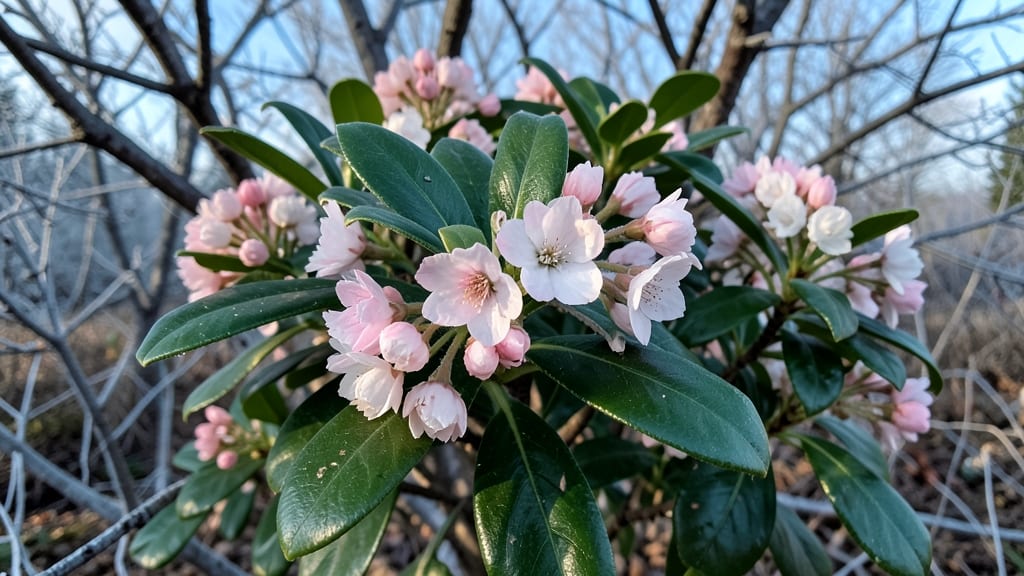
If you crave a scent garden that brings late winter magic to your patio or balcony, daphne (Daphne odora) is the secret weapon you’ve been missing. This compact shrub bursts into clusters of pink or white flowers in late winter—just when your garden needs a fragrant lift—while its glossy leaves add year-round structure. Unlike many winter bloomers, daphne thrives in containers, making it perfect for urban spaces or small yards where scent can be fully appreciated up close.
Plant your daphne in a pot with well-draining soil and position it where you’ll brush past it daily—its intoxicating fragrance (often described as a mix of vanilla and spice) releases most strongly when leaves are crushed. Choose a spot with morning sun and afternoon shade to prevent leaf scorch, and water moderately, allowing the top inch of soil to dry between waterings. Prune lightly after flowering to maintain shape, but avoid heavy cuts, as daphne flowers on old wood.
Balcony gardeners and small-space enthusiasts will love how daphne delivers high-impact fragrance in a tiny footprint. Its winter blooms also attract early pollinators, giving your garden a head start when spring arrives. Just be warned—its scent is so potent, you’ll want to plant just one or two to avoid overwhelming your outdoor space. 💚
Pansies: Colorful Faces That Brave the Cold
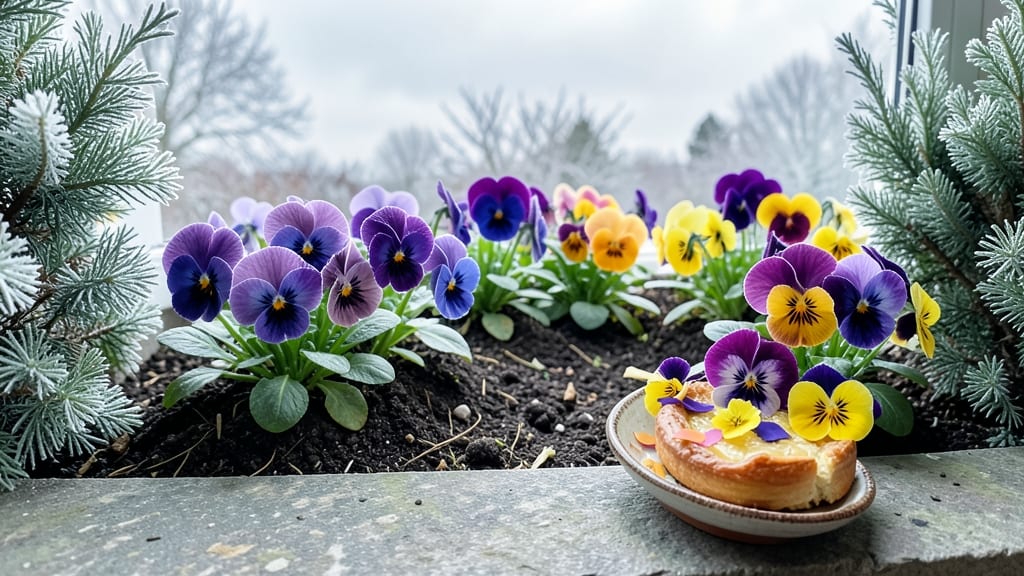
When you crave year-round color without the summer heat, pansies (Viola × wittrockiana) are your secret weapon. These cheerful blooms thrive in cool weather, producing a dazzling array of colors—from deep purples to sunny yellows—that brighten borders, windowsills, and even your dinner plate.
Plant them in full sun to partial shade and they’ll reward you with blooms from early fall through late spring, often surviving light frosts. Their edible flowers add a peppery kick to salads, while their compact size makes them perfect for containers, hanging baskets, or edging garden beds. For extra longevity, deadhead spent blooms and fertilize lightly every few weeks.
Urban gardeners and small-space lovers will adore how pansies pack a punch in tight spots, while beginner gardeners appreciate their low-maintenance nature. With their playful faces and hardy resilience, pansies prove winter gardens can be just as vibrant as summer ones. 🌷
Mahonia: Spiky Leaves with Blueberry-Like Winter Blooms
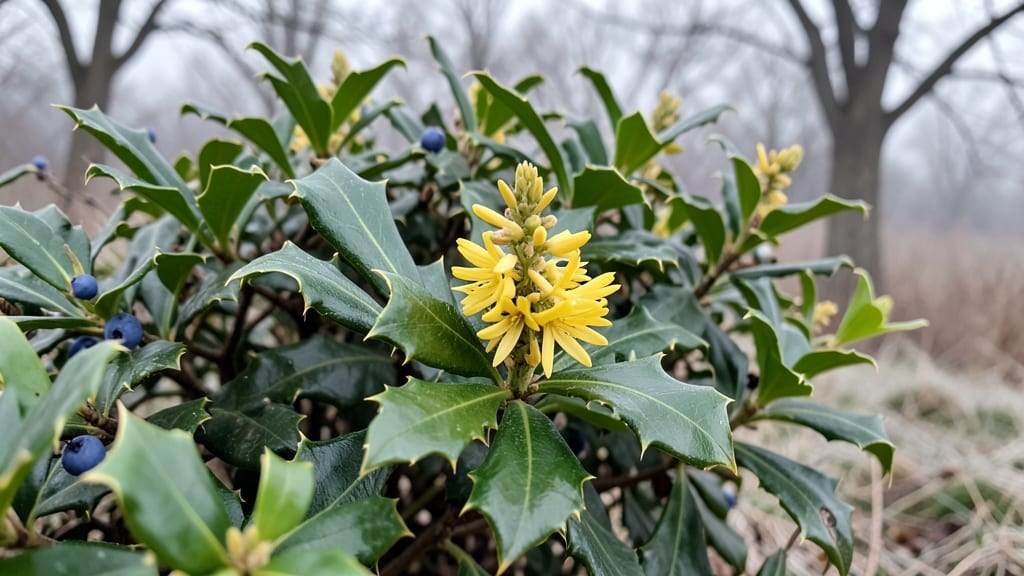
When your garden looks like a winter monochrome, mahonia steps in with bold holly-like foliage and striking yellow flower spikes that light up dark corners. This evergreen shrub is nature’s understated showstopper—its winter blooms appear when most gardens are asleep, followed by edible blue berries that birds and humans alike adore in spring.
Plant mahonia in partial shade to full sun with well-draining soil, and it will thrive in zones 5-9. Its spiky leaves add texture year-round, while the fragrant flowers attract early pollinators. Prune lightly after flowering to maintain shape, and watch as this shrub becomes a four-season workhorse—providing winter color, spring berries, and summer foliage interest.
Perfect for woodland gardens, foundation plantings, or even containers, mahonia is a low-maintenance** powerhouse that rewards patient gardeners with both beauty and bounty. 🌟
Lungwort: Unique Spotted Leaves with Lavender Flowers
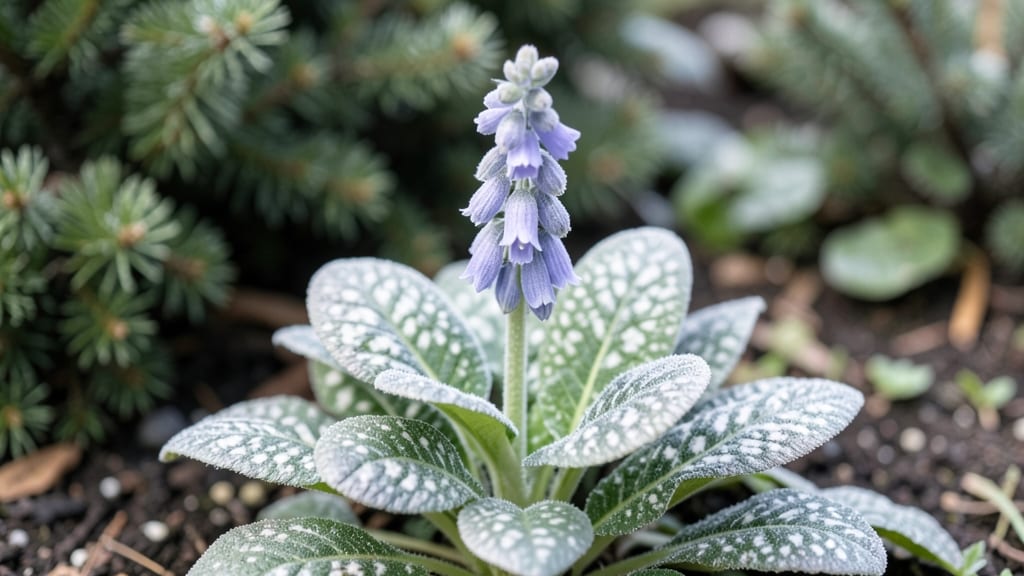
If you’ve ever wished for a plant that combines medicinal benefits with striking visual appeal, lungwort (Pulmonaria officinalis) delivers—both in winter and spring. This underrated perennial features silver-spotted foliage that transitions to green, paired with delicate lavender-blue flowers that bloom as early as late winter in mild climates, offering a rare splash of color when most gardens are still dormant.
Thriving in shady borders, woodland gardens, or under trees, lungwort tolerates moist, well-draining soil and even tolerates some foot traffic, making it ideal for cottage-style gardens or naturalized areas. Its self-seeding habit ensures it spreads over time, creating lush ground cover. Historically used in herbal medicine for respiratory health, it also attracts early pollinators like bees, supporting your garden’s ecosystem.
Perfect for shade gardeners, woodland enthusiasts, and medicinal plant collectors, lungwort’s unique foliage and early blooms make it a standout for year-round interest. Plus, its low-maintenance nature means it’s ideal for busy gardeners who still want beauty in the coldest months. 🌿
Winter Honeysuckle: Fragrant Tubular Flowers for Scent Gardens

When your garden needs a burst of fragrance and color in the bleakest winter months, winter honeysuckle (Lonicera fragrantissima) delivers with its intensely sweet-scented yellow tubular flowers that bloom from late winter into early spring. Unlike its summer-blooming cousins, this deciduous shrub thrives in full sun to partial shade, making it versatile for borders, hedges, or even containers.
Plant it in well-draining soil and give it space to grow—this shrub can reach 6–10 feet tall—while its early blooms attract bees and other pollinators desperate for nectar. The flowers’ fragrance is so potent it can fill an entire garden with a honey-like aroma on still winter mornings. Prune lightly after flowering to maintain shape and encourage new growth.
Perfect for scent gardens, urban courtyards, or pollinator-friendly landscapes, winter honeysuckle is a standout for gardeners who want year-round interest without the fuss. Its winter blooms also make it a favorite for forcing indoors, bringing a touch of spring to your home. ✨