
Blooming
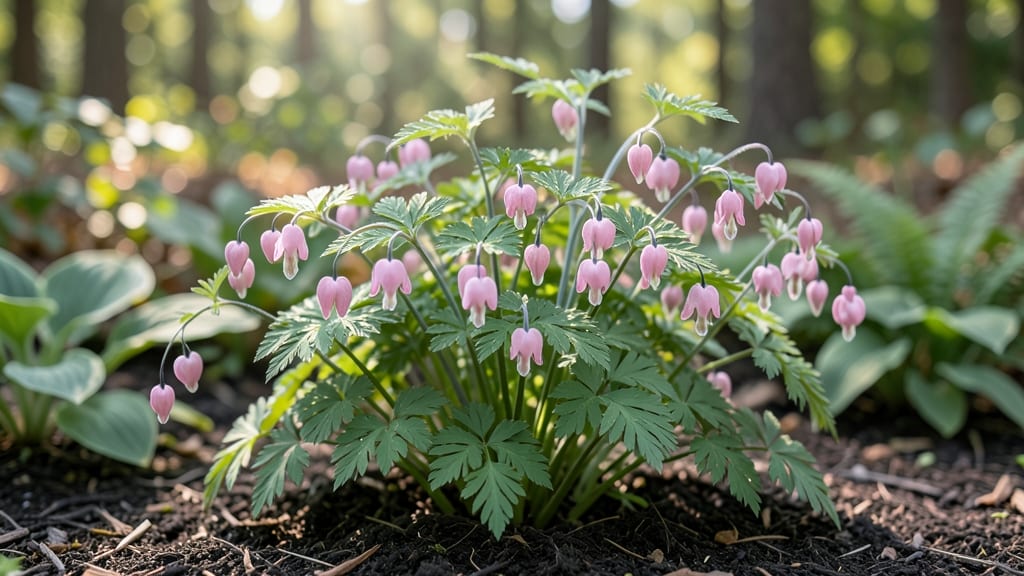
The bleeding heart flower bloom time is a fleeting yet magical moment in late spring—typically April to early June—when the soil warms and days lengthen, gifting gardens with delicate, heart-shaped blossoms 💔.
If you’ve ever waited months for your bleeding heart flowers (Dicentra spectabilis) to burst into heart-shaped blooms—only to see them fade too soon—you’re not alone. Understanding their exact bloom windows and how to coax reblooms can turn a one-time spring show into a year-round garden highlight.
In Zone 6a, where many gardeners grow these beauties, blooms usually peak in May, but cooler springs or late frosts can delay them. The key to extending that display?
Planting in the right spot—partial shade with moist, well-draining soil—and learning when to prune for a second flush of flowers later in the season.
Below, I’ll break down the exact bloom times by zone, share proven techniques to trigger reblooms, and reveal common mistakes that shorten their show—so you can enjoy your bleeding hearts for months, not just weeks.
Bleeding heart flower bloom time by US hardiness zones: exact months & Climate factors
Bleeding heart flowers (Dicentra spectabilis) are famous for their delicate heart-shaped blooms, but their timing varies dramatically depending on your USDA hardiness zone.
In cooler zones like 3-5, blooms often arrive as early as late April, while warmer zones (7-9) may see flowers by mid-February. Understanding these patterns helps you plan companion plants and extend the blooming season.
Climate plays a critical role in bloom timing. Temperature fluctuations trigger flowering, but excessive heat can cause buds to drop prematurely. Moisture levels also matter—drought stress delays blooms, while consistent watering ensures vibrant, long-lasting flowers.
Let’s break down what to expect in your zone and how to optimize conditions for peak performance.
| Zone | First Blooms | Peak Blooms | Last Blooms | Rebloom Chance | Climate Notes |
|---|---|---|---|---|---|
| 3-4 | Late May | June | Early July | Low | Cold springs delay blooms; mulch helps. |
| 5-6 | Mid-April | May-June | Late June | Moderate | Ideal for reblooms with summer pruning. |
| 7-8 | February | March-April | May | High | Hot summers may require afternoon shade. |
| 9 | January | February-March | April | Very High | Provide dappled shade to prevent bud drop. |
In Zones 3-4, where winters are harsh, bleeding hearts often bloom later due to cold soil temperatures. The first flowers typically appear in late May, with peak displays in June.
These zones have the lowest rebloom success because summer heat can stress plants before they recover. To improve outcomes, mulch heavily in early spring to protect roots and retain moisture.
Gardeners in Zones 5-6 enjoy the best balance of bloom timing and rebloom potential. With mid-April first blooms and June peaks, these zones benefit from cooler summers, which reduce stress. The key to encouraging reblooms here is light pruning after the first flush and consistent watering.
Pair bleeding hearts with hostas or ferns to create a shade-loving understory that thrives in the same conditions.
Warmer zones (7-9) get a head start on blooms, with January-February flowers. However, heat sensitivity is a challenge—buds often drop if temperatures exceed 85°F.
To mitigate this, plant in dappled shade (e.g., under deciduous trees) and water deeply during dry spells. Reblooms are common in these zones, especially if you deadhead spent blooms and fertilize lightly in early summer.
Light conditions directly impact bloom quality. While bleeding hearts thrive in partial shade, too little light (less than 4 hours daily) can weaken stems and reduce flowering. Conversely, full sun causes buds to scorch and drop.
Aim for morning sun and afternoon shade—this balances energy production with temperature protection. If your garden lacks natural shade, use sheer fabric screens to diffuse harsh afternoon rays.
Soil moisture is another critical factor. Bleeding hearts wilt quickly in dry soil, which shortens bloom time. Aim for consistently moist (but not soggy) conditions by mulching with 2-3 inches of organic matter. In containers, water when the top inch of soil feels dry. For ground-planted varieties,
How to trigger reblooms: proven techniques for year-round blooming bleeding hearts
Bleeding hearts (Dicentra spectabilis) typically deliver a single spectacular spring bloom, but with the right techniques, you can extend their flowering season. The key lies in understanding their growth cycles and how to manipulate them.
Some varieties, like Dicentra eximia, naturally rebloom more reliably, while others need careful intervention. Let’s explore how to coax extra blooms from your plants.
First, recognize that reblooming depends on variety. Dicentra spectabilis usually blooms once in spring, while Dicentra eximia (also called "fringed bleeding heart") often produces late-summer or fall reblooms with minimal effort.
If you’re growing the classic type, don’t expect miracles—focus on prolonging current blooms and setting the stage for next year’s performance.
Pros of Reblooming Techniques
- 🌱 Extended blooms – Enjoy flowers for months, not weeks.
- 🌿 Healthier plants – Proper pruning encourages stronger growth.
- ✂️ Controlled shape – Prevents leggy, unruly growth.
Cons of Reblooming Techniques
- 💧 More watering – Reblooming plants need consistent moisture.
- 🌡️ Climate dependency – Works best in cooler zones (3-7).
- ⏰ Timing-sensitive – Mistakes can reduce next year’s blooms.
Deadheading spent blooms is the first step to encourage reblooming. Snip off faded flower stems just above the first set of leaves to redirect the plant’s energy. For Dicentra spectabilis, do this immediately after spring blooms fade—but avoid cutting into the foliage, as the leaves fuel next year’s growth. Use clean, sharp pruners to prevent disease.
Next, focus on soil amendments to boost reblooming potential. Bleeding hearts thrive in rich, well-draining soil with a higher phosphorus (P) and potassium (K) ratio (e.g., 5-10-10 fertilizer).
Apply a balanced fertilizer in early spring and again after deadheading to support new flower buds. Compost or aged manure also improves soil structure, which encourages root development.
Microclimate adjustments can make a huge difference in reblooming success. Place your bleeding hearts where they receive morning sun and afternoon shade—this prevents stress from hot afternoon rays.
In warmer zones (8-9), provide additional shade cloth during peak summer heat. Mulch with organic matter to retain moisture and regulate soil temperature, which is critical for bud formation.
Finally, debunk a common myth: bleeding hearts don’t rebloom because they’re "done". In reality, most varieties simply enter dormancy after spring blooms. With the right care—deadheading, proper pruning, and soil nutrition—you can coax a second flush of blooms, especially from Dicentra eximia.
Start now, and your garden could be bursting with heart-shaped blooms well into fall! 🌷