
Blooming
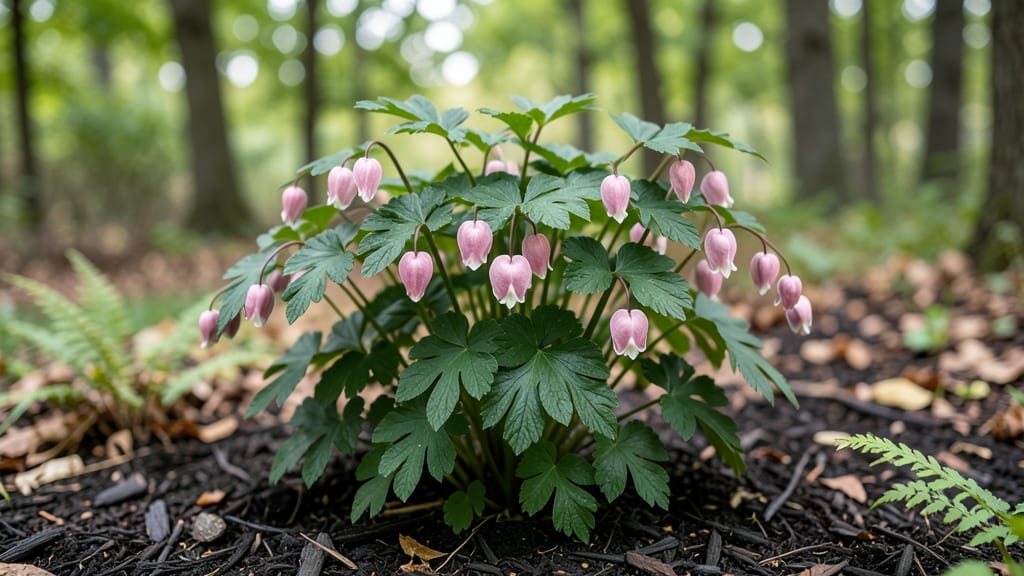
The bleeding heart bloom time in your garden depends on your hardiness zone, variety, and how well you mimic its natural woodland habitat.
If you’ve ever waited impatiently for those iconic 💖 blooms to appear—only to be met with silence from your plants—you’re not alone.
In Zone 6a, where I garden, the first flush of pink and white hearts usually arrives in late April to early May, but timing shifts dramatically if you’re in the Pacific Northwest or the Deep South.
Early bloomers like ‘Alba’ can push flowers as soon as March, while late varieties might wait until June. The key? Planting in partial shade, keeping soil consistently moist, and avoiding heavy fertilization once buds form—too much nitrogen steals energy from blooms.
Below, I’ll break down the exact months to expect flowers by zone, plus three simple tricks to coax your bleeding hearts into their longest, most vibrant display yet.
Bleeding heart bloom time by USDA hardiness zones: exact months to expect flowers
Timing your expectations for bleeding heart (Dicentra spectabilis) blooms depends heavily on your USDA hardiness zone.
While most varieties burst into flower in late spring to early summer, cooler zones like Zone 3 may see blooms as early as April, while warmer Zone 9 gardens might not flower until June.
Regional microclimates—like the Pacific Northwest's cooler summers or the Midwest's abrupt temperature shifts—can also shift bloom windows by 2-4 weeks.
Early bloomers like 'Alba' or 'Valentine' often push blooms forward by 10-14 days, while late varieties such as 'Gold Heart' may delay flowering until mid-to-late summer. Understanding these nuances ensures you’re not left disappointed when your heart-shaped blooms don’t appear on schedule.
🌱
In Zone 3, where winters are harsh, bleeding hearts often bloom as early as late April to take advantage of brief cool spells. Varieties like 'Alba' with its white blooms are particularly reliable in these climates.
Conversely, Zone 9 gardeners may need to plant late-blooming varieties like 'Gold Heart' to ensure flowers appear before summer heat sets in.
The Pacific Northwest offers a unique twist: cooler summers can delay blooms until June, even in Zone 7. Meanwhile, the Midwest's abrupt temperature swings might cause Zone 5 plants to bloom in two flushes—once in May and again in September after a heatwave.
For container gardening, blooms may arrive 2-3 weeks later than in-ground plants due to root stress. Always choose shade-tolerant varieties like 'Cameo' if your balcony receives only morning sun. In full shade, expect blooms to be 20% smaller but last longer.
Pro tip: Mark your calendar 6 weeks before your zone’s typical bloom time to start light fertilizing with a 5-10-10 NPK blend. This jumpstarts growth and ensures your bleeding heart meets its full blooming potential.
If you live in a transition zone (e.g., Zone 6b), err on the side of early-blooming varieties like 'Valentine'. These adapt better to unpredictable frost dates and give you the best chance of seeing those iconic heart-shaped flowers before summer arrives.
How to extend bleeding heart bloom time: pruning, fertilizing, and light tips
Your bleeding heart plant (Dicentra spectabilis) delivers stunning heart-shaped blooms for just a few weeks—unless you take steps to prolong them.
With the right pruning techniques, fertilizing schedule, and light exposure, you can coax your plant into producing flowers for 6-8 weeks instead of the typical 3-4 weeks. The key lies in understanding its natural growth cycle and how to support it.
Bleeding hearts are spring ephemerals, meaning they bloom early in the season when soil moisture is high and temperatures are mild. However, with proper care, some varieties—like 'Gold Heart' or 'Alba'—can rebloom later in the season or even produce a second flush of flowers.
Let’s dive into the practical strategies that will keep your plant flowering longer.
One of the most common mistakes gardeners make is over-pruning bleeding hearts. These plants rely on their foliage to photosynthesize and store energy for next year’s blooms. Never trim more than 30% of the plant at once, and avoid cutting into old leaves until they’ve fully yellowed in late summer.
For reblooming varieties, consider giving your plant a second fertilizer boost in early summer with a low-nitrogen, high-phosphorus fertilizer (like 5-20-20). This encourages root development and flower bud formation for a potential late-season display.
Pair this with consistent moisture—bleeding hearts wilt quickly when stressed by drought, which can halt blooming entirely.
If your bleeding heart struggles in full sun, don’t despair—many gardeners in hotter zones (7-9) swear by dappled shade under trees or on east-facing borders.
A simple trick is to plant them near taller perennials like hostas or ferns, which provide natural shade while keeping the soil cool and moist.
With these simple adjustments, your bleeding heart could reward you with longer, more abundant blooms year after year. Start with deadheading this season, and watch as your plant responds with vibrant, heart-shaped beauty that lasts well beyond the typical bloom window. 💖