
How To
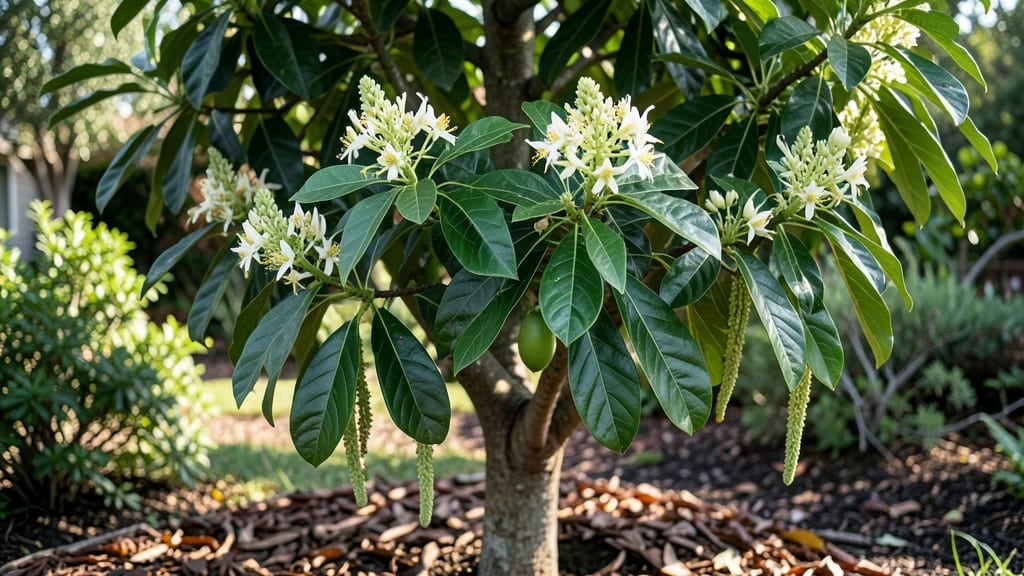
Transforming avocado bloom to fruit demands careful attention to temperature, sunlight, and pollination: keep your plant in 70–85°F conditions, provide 12+ hours of sunlight daily, and manually pollinate flowers with a soft brush or bees. Thin developing fruit early and maintain even soil moisture to ensure healthy ripening.
Avocado trees produce two types of flowers—Type A and Type B—which don't always bloom simultaneously, making cross-pollination tricky. 🌸 Without intervention, many flowers fail to set fruit, so manual pollination with a small brush becomes essential.
The key to success lies in creating ideal growing conditions: consistent warmth prevents stress-induced flower drop, while balanced soil nutrients (especially potassium and phosphorus) support fruit development.
Once flowers appear, monitor for signs of fruit set like swelling buds and early color changes. Pruning excess fruit helps redirect energy to fewer, healthier avocados, while overwatering or drought stress can trigger premature drop.
For indoor growers, supplemental grow lights and humidity control become critical—outdoor plants benefit from natural seasonal adjustments but still need protection from extreme heat or cold.
💡 In This Article
- Understanding Avocado Flowering and Pollination Science
- Step-by-Step Avocado Fruit Development Care Guide
Understanding avocado flowering and pollination science
Avocado trees produce two distinct flower types—Type A and Type B—that rarely bloom simultaneously. Type A flowers open in the morning and close by afternoon, while Type B flowers open in the afternoon and close by evening.
This staggered timing creates a natural barrier to self-pollination, forcing trees to rely on external pollinators like bees. Without intervention, up to 90% of flowers may fail to set fruit due to this mismatch.
The ideal temperature range for successful fruit set sits between 70–85°F, where pollen viability remains highest. Below 60°F, pollen production drops dramatically, while temperatures above 90°F cause flowers to wilt prematurely.
Humidity also plays a role—levels between 50-70% support proper pollen transfer, as too-dry air makes pollen grains brittle and ineffective. 🌡️ This is why indoor growers often struggle: home environments typically lack the natural humidity fluctuations of outdoor orchards.
Environmental stress triggers flower drop, a survival mechanism that conserves energy. Sudden temperature swings, drought, or overwatering can cause buds to abort within 48 hours of opening. The tree prioritizes root health over fruit development when stressed, which is why consistent care becomes crucial.
For example, a 10°F temperature drop overnight can cause mass flower abortion, even if daytime conditions were perfect.
Manual pollination mimics natural bee activity by transferring pollen between flowers using a soft brush. The process involves collecting pollen from mature Type A flowers (when they're fully open) and gently applying it to Type B flowers' stigmas.
This technique achieves a 60-80% fruit set rate compared to the 10-20% success rate of unassisted pollination. The key timing window is within 24 hours of flower opening, when stigmas remain receptive.
Soil nutrition directly impacts fruit development after pollination. Avocado trees require a balanced ratio of potassium to phosphorus (typically 3:1) to support fruit cell division. A deficiency in either nutrient leads to smaller fruits or complete failure to develop beyond the initial 1-inch stage.
For example, phosphorus deficiency causes "blind buds"—flowers that open but never develop into fruit. 🌱 Organic sources like bone meal (for phosphorus) and wood ash (for potassium) work best when applied during the flowering stage.
What most growers overlook is the role of ethylene gas in fruit set. Avocado trees produce this plant hormone naturally, but supplemental applications (using 100 ppm ethylene for 24 hours) can boost fruit retention by up to 30%.
The gas helps stabilize cell walls in developing fruit, reducing the likelihood of premature drop. This technique is particularly useful for indoor growers who lack natural pollinators and environmental fluctuations.