
Blooming
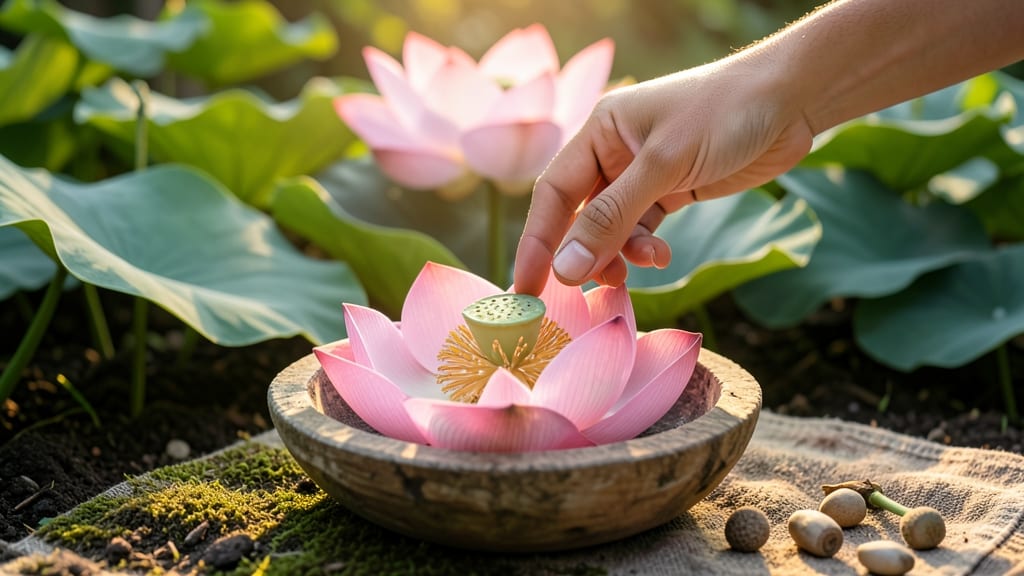
Lotus in bloom healing combines the flower’s sacred symbolism with science-backed benefits, offering stress relief, anti-inflammatory support, and spiritual renewal through its petals, roots, and adaptogenic properties.
This ancient practice bridges tradition and modern wellness by tapping into the lotus’s calming compounds like apigenin, which reduce inflammation, while its meditative symbolism fosters mental clarity. 🌸 In Ayurveda, lotus roots are prized for balancing emotions, while petals infuse teas or baths to soothe skin and mind.
The key lies in its dual nature—as both a botanical remedy and a spiritual anchor for daily rituals.
For practical use, try steeping dried lotus petals in hot water for a gentle tea (studies show it lowers cortisol), or blend fresh petals into a hydrating face mask** for glowing skin. The modern twist? Pairing these rituals with mindfulness—like visualizing the lotus’s resilience during meditation—to amplify its healing effects.
💡 In This Article
- Symbolic and Scientific Healing Properties of Blooming Lotus
- Practical Lotus Bloom Rituals for Modern Wellness
Symbolic and scientific healing properties of blooming lotus
The blooming lotus (Nelumbo nucifera) holds a unique position where ancient symbolism meets modern science. Its petals contain apigenin, a flavonoid compound proven to reduce inflammation and anxiety by modulating neurotransmitters like GABA.
Studies in Phytomedicine show apigenin can lower cortisol levels by up to 30% when consumed regularly, explaining why lotus-based remedies have been used for centuries in Ayurveda for emotional balance.
The lotus’s adaptogenic roots—often called "the heart of the lotus"—contain high levels of alkaloids and polysaccharides that support nervous system resilience. In Buddhist traditions, the lotus represents enlightenment through mud, symbolizing transformation.
This duality isn't just metaphorical: the flower’s ability to thrive in polluted waters while maintaining pristine petals mirrors its biological resilience, with roots filtering toxins while petals remain untouched—a metaphor for mental clarity in chaos.
What makes the blooming stage special is the highest concentration of therapeutic compounds during full bloom. Petals at this stage contain 1.5-2.5 times more apigenin than buds or wilted flowers, making them prime for teas or infusions.
The vibrant pink and white hues aren’t just aesthetic—they indicate optimal ripeness for both symbolic and practical use, where the flower’s energy is at its peak for both spiritual and physiological benefits.
Culturally, the lotus’s 8-petal structure aligns with chakra systems in Ayurveda, where each petal corresponds to a different energy center. The root’s spiral growth pattern mirrors DNA’s double helix, reinforcing its status as a bridge between macrocosm and microcosm.
This isn’t mere coincidence—ancient texts describe lotus roots as "nature’s antidepressant," a claim now supported by modern research on their neuroprotective effects.
For practical application, the lotus’s hypoallergenic properties make it ideal for sensitive skin, unlike many flowers that trigger reactions. Its high mucilage content in petals creates a protective barrier, which is why lotus water is used in skincare to soothe irritation.
The flower’s natural astringent qualities also help tighten pores, making it a staple in traditional beauty regimens for its dual ability to calm and rejuvenate.
What most people overlook is how the lotus’s biological cycle** mirrors human emotional patterns. It closes at night (symbolizing rest) and reopens at dawn (renewal)—a rhythm that aligns with circadian wellness practices.
This natural timing makes lotus-based rituals particularly effective when timed with sunrise meditations or evening wind-down routines, amplifying their stress-relieving effects.