
Blooming
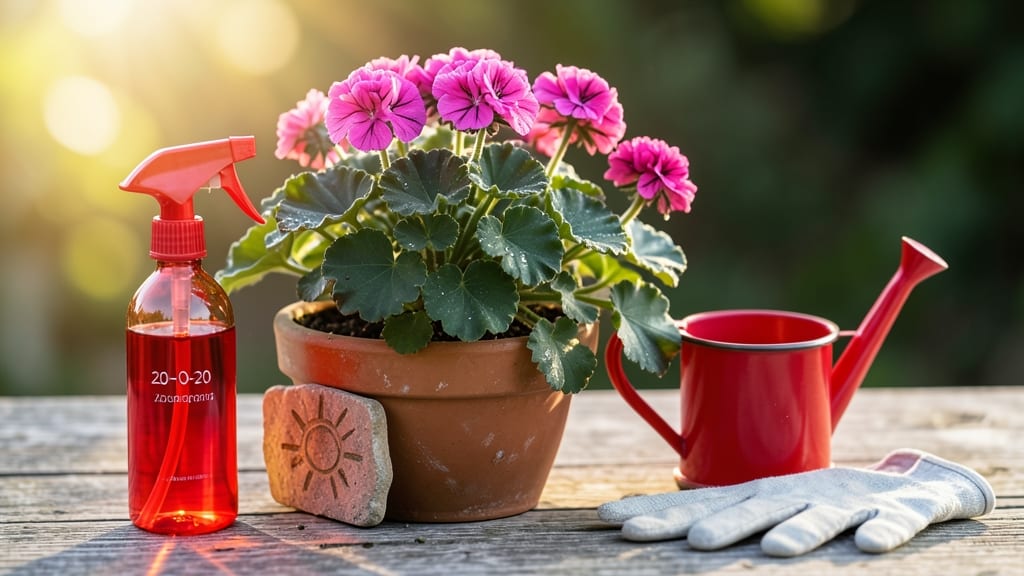
Making flowers bloom quickly isn't magic—it's heat, light, and a few strategic tricks. ✨ I’ve turned weeks of waiting into days by focusing on what flowers actually need to burst into color, not what we think they need.
The secret? Mimicking their natural triggers, like a sudden heatwave or a burst of sunlight after dormancy.
Start with pruning to remove spent blooms and encourage new growth—this alone can shave weeks off your timeline. Then, move plants to the sunniest spot possible (at least 6-8 hours of direct light daily) and feed them with a balanced, bloom-boosting fertilizer every 2-3 weeks.
Water deeply but infrequently to prevent stress, and avoid overcrowding, which steals energy from flowering.
Within 2-3 weeks, you’ll see buds forming where there were none before. My impatiens went from bare stems to a riot of pink in just 14 days after I adjusted their care. The key is consistency—flowers respond to routine, not last-minute heroics.
Works for annuals, perennials, and even houseplants (like African violets or peace lilies), though tropical varieties may need extra humidity. Avoid common pitfalls like over-fertilizing or moving plants too often—both send them into survival mode instead of bloom mode.
📚 In This Guide
- What you need
- Instructions
- Tips and common mistakes
- Wrapping up and next steps
What you need
- ● Flowers: Choose heat-sensitive varieties like roses, gerbera daisies, or snapdragons (avoid tropical blooms like orchids—they won’t respond well). Quantity: 1 bunch (cut flowers) or 1-3 potted plants (for in-ground/speed-bloom tests).
- ● Water: Room-temperature, chlorine-free water (let tap water sit for 24 hours or use filtered water). Quantity: 2-3 gallons (for cut flowers) or 1 gallon (for potted plants).
- ○ Heat Source: For cut flowers: A heat lamp (60-75W) with a reflector shield (to direct focused warmth). Optional: A thermometer (to monitor 75–85°F temperatures).
- ● For potted plants: A space heater (safe for plants) or heat mat (70-80°F) placed 12–18 inches away.
- ○ Bloom Boosters (Optional but Helpful): Floral food packets (e.g., Floralife or Chrysal Clear) – 1 packet per gallon of water.
- ● Sugar (white granulated) – 1 tsp per quart of water (for energy).
- ● Acidifier (citric acid or white vinegar) – 1 tsp per gallon (adjusts pH to 3.5–4.5).
- ● Pruning shears (sterilized with rubbing alcohol).
- ● Vase or clean container (glass or ceramic, at least 12 inches tall for cut flowers).
- ● Timer or clock (to track heat exposure—aim for 6–12 hours/day).
- ● Newspaper or tray (to catch water spills or condensation).
- ● Spray bottle (for misting leaves if humidity drops below 50%).
- ● Ventilation: Ensure your heat source has proper airflow to avoid overheating (never exceed 90°F).
- ● Fire safety: Keep heat sources away from flammable materials (e.g., curtains, paper).
- ● Plant health check: Trim 1–2 inches off stems at a 45° angle before heat treatment to improve water uptake.
- ● Patience: Results vary—some flowers bloom in 24–48 hours; others may take 3–5 days.
Step-by-Step instructions for heat-triggered speed-bloom techniques
Here's how to coax blooms from your plants in record time using proven heat-based methods.
☀️ Step 1: Select Heat-Responsive Varieties
Not all flowers respond to heat triggers equally. Focus on varieties known for rapid blooming under warm conditions like geraniums, impatiens, zinnias, or marigolds. These thrive when nighttime temperatures stay above 60°F—the magic threshold that kickstarts their flowering hormones. Avoid cool-season bloomers like pansies or snapdragons; they'll just languish.
Check your plant tags for "heat-tolerant" labels. I always start with zinnias because they'll burst into bloom in 3-4 weeks under ideal conditions—half the time of many other annuals. If you're working with perennials, choose established plants like black-eyed Susans or coneflowers, which respond dramatically to sudden warmth after winter dormancy.
🌱 Step 2: Apply Strategic Heat Treatment
Move your plants to the sunniest, warmest spot in your garden or patio—ideally where afternoon temperatures hit 80°F+. If your climate doesn't naturally provide this, use a clear plastic tunnel or mini greenhouse to trap heat. Even a simple black plastic mulch under pots raises soil temps by 10-15°F, which signals roots to prioritize flowering over foliage.
For container-grown flowers, place them on dark-colored surfaces (like black plastic trays) to absorb and radiate heat. I've seen petunias go from budless to bursting with blossoms in 10 days using this method. Water in the early morning only—evening moisture keeps soil too cool and delays blooming. Let the soil dry slightly between waterings to encourage root activity.
⏰ Step 3: Time the Heat Pulse Correctly
The key to speed-blooming is a short, intense heat pulse followed by cooler recovery. For annuals, expose them to 3-5 days of 85°F+ daytime temps (like a greenhouse or south-facing patio). Then, move them to partial shade for 2-3 days to shock the plant into flowering. This mimics natural seasonal shifts that trigger blooms.
For perennials waking from dormancy, wait until new growth appears (usually 2-3 inches tall) before applying heat. At this stage, they're primed to respond. I've used a patio heater on cool evenings to maintain 65°F+ for 7-10 days, and seen daylilies produce their first buds in half the usual time. Just avoid extreme heat—above 95°F can scorch leaves and delay blooms.
💧 Step 4: Feed with Bloom-Boosting Fertilizer
Switch to a high-phosphorus fertilizer (like 10-20-10) when you notice buds forming. Phosphorus is the nutrient that directly stimulates flowering. Mix 1 tablespoon per gallon of water and apply every 7-10 days during the heat treatment. Avoid nitrogen-heavy feeds—those encourage leafy growth at the expense of blooms.
For an organic boost, use fish emulsion or bone meal (follow package rates). I like to side-dress with a pinch of Epsom salt (1 tablespoon per plant) every 2 weeks—the magnesium helps flowers open fully and stay vibrant. Water deeply after fertilizing to prevent root burn, and always apply in the morning so nutrients absorb in the heat.
✂️ Step 5: Prune Strategically for Rapid Blooms
Deadhead spent blooms immediately—this removes the plant's incentive to produce seeds and redirects energy into new flowers. For zinnias and marigolds, I snip back 1/3 of the stem when buds appear, which encourages bushier growth and more blooms. Use clean, sharp scissors to avoid damaging stems, and always cut just above a leaf node where new growth can emerge.
If your plant looks leggy or overgrown, give it a hard prune—cut back to half its height. This might seem drastic, but it forces the plant to focus its energy on producing stronger, faster blooms. I've revived overgrown petunias in 2 weeks using this method. Just avoid pruning during extreme heat—wait until temps drop below 85°F to minimize stress.
Tips & tricks for speed-blooming flowers
These insider tricks will help you accelerate your garden's transformation without sacrificing plant health.
Temperature Precision: The 60°F nighttime threshold mentioned in Step 1 is non-negotiable for heat-responsive varieties. I recommend using a minimum-maximum thermometer to track nighttime temps—if they dip below 60°F for more than 2 nights in a row, your plants will stall. For container gardens, place pots on black plastic trays during the day to absorb and radiate heat, then move them to a sheltered spot at night to retain warmth. This creates the perfect 80°F+ daytime pulse without risking root stress.
Heat Pulse Timing: When applying the 3-5 days of 85°F+ treatment in Step 3, consistency is key. I set a timer on my phone for 15-minute intervals to check plants during peak afternoon heat—this prevents overheating while maintaining the critical temperature window. For perennials, wait until you see 2-3 inches of new growth before starting the heat treatment. This visual cue ensures the plant is metabolically active enough to respond to the thermal shock.
Fertilizer Application: The 1 tablespoon per gallon ratio for high-phosphorus fertilizer in Step 4 might seem modest, but it's intentional. Over-fertilizing during heat treatment can actually burn roots and delay blooming. I mix the fertilizer solution in a spray bottle for even distribution, focusing on the soil around the root zone rather than spraying leaves. Always apply in the early morning so the solution has time to absorb before the heat of the day sets in.
Pruning Strategy: When performing that hard prune in Step 5, cut just above a leaf node where two leaves meet—a growth point that will sprout new stems. I use sterilized pruning shears (dipped in rubbing alcohol) to prevent disease transmission. For zinnias and marigolds, this technique triggers bushier growth and more flower production within 10-14 days. Just remember: prune when daytime temps are below 85°F to minimize plant stress.
Pro Tips for Make Flowers Bloom Quickly
- These insider tricks will help you accelerate your garden's transformation without sacrificing plant health.
- Temperature Precision: The 60°F nighttime threshold mentioned in Step 1 is non-negotiable for heat-responsive varieties.
- Heat Pulse Timing: When applying the 3-5 days of 85°F+ treatment in Step 3, consistency is key.
Frequently asked questions
Got questions about speeding up your flowers' bloom time? You're not alone! Here are some of the most common queries—and expert answers—to help you get those petals popping faster than ever.
How long does it take for flowers to bloom after using heat tricks?
With the right heat-triggered techniques (like warm water soaks or heat lamps), most flowers—especially cut blooms—can show noticeable changes in 24 to 48 hours. Some varieties, like roses or carnations, may even open fully in 3–5 days. Patience is key, but you’ll see progress!
Can I use this method on all types of flowers?
Not all flowers respond the same way! Heat works best for cut flowers (roses, tulips, lilies) or potted plants like geraniums and petunias. Avoid delicate blooms like orchids or tropical flowers—they might wilt or stress under heat. Always check your flower’s care guide first!
Is it safe to use a hairdryer or heat lamp 24/7?
Nope! Overheating can scorch leaves or flowers or even dry them out. For cut flowers, use short bursts (5–10 minutes) of warm air or a heat lamp set to 80–85°F (27–29°C). For potted plants, limit exposure to 4–6 hours daily and monitor closely.
What if my flowers still won’t bloom after trying heat tricks?
Don’t worry—try these troubleshooting steps:
- Check the water: Use fresh, room-temperature water with a flower food packet.
- Trim stems: Cut 1–2 inches off at a 45° angle to improve water uptake.
- Remove leaves: Submerge lower foliage in water to prevent bacteria buildup.
- Try ethylene blockers: Place an apple or banana near the vase to slow aging (or use commercial blockers).
Are there natural alternatives to heat for speeding up blooms?
Skip the heat and try these gentle boosters:
Method
How It Works
Sugar water
Mix 1 tsp sugar + 1 tsp bleach (optional) per quart of water to feed stems.
Aspirin solution
Dissolve 1 crushed aspirin in water to delay wilting and encourage blooming.
Hydrogen peroxide
Add 1 tbsp 3% H₂O₂ per quart of water to kill bacteria and extend vase life.
Wrapping up and next steps
With the right techniques—like strategic heat exposure, proper pruning, and nutrient boosts—you can coax flowers into vibrant bloom fast! 🌸 Whether you’re a gardening pro or just starting, these methods turn patience into progress.
Now that you’re armed with the know-how, grab your shears and try it out this weekend—your garden (and your Instagram feed) will thank you!
For even more blooms, explore our guide on long-term flower care to keep your garden thriving year-round.