
Blooming
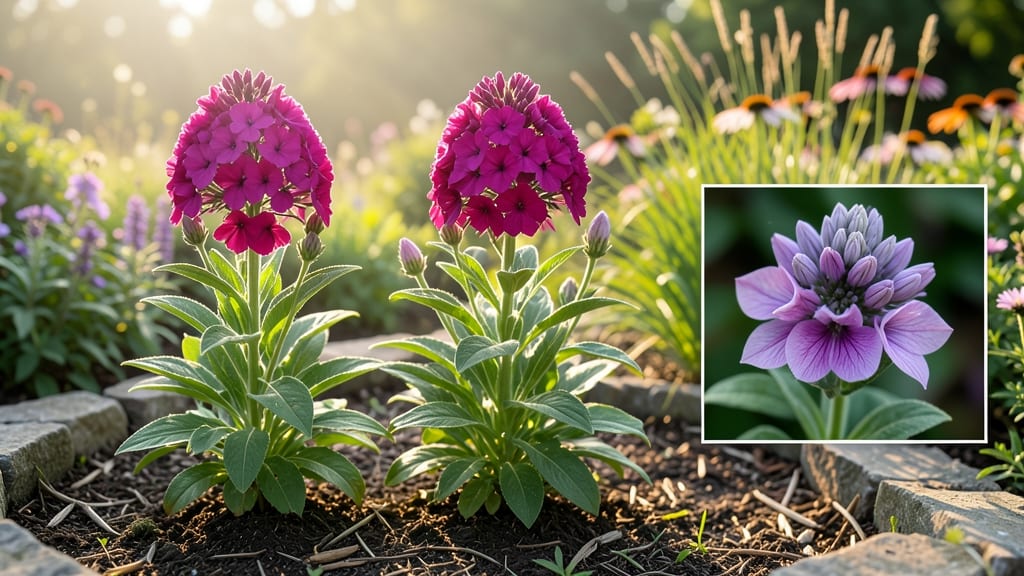
Phlox blooms all summer only when given the right care: consistent moisture, partial shade, and regular pruning. Without these, most varieties will fade quickly after early summer.
Phlox plants are summer's showstoppers, but their performance depends heavily on your growing conditions. 🌸 The key to nonstop blooms lies in balancing their needs—too much sun or heat can cause them to bolt, while inconsistent watering triggers stress that cuts flowering short.
I've seen gardeners extend their phlox season by up to 8 weeks simply by adjusting their care routine after the first flush of blooms appears. Even the hardiest varieties like garden phlox or creeping phlox need these conditions to maintain vibrant flowers throughout the heat of summer.
What's interesting is how different phlox types respond: tall garden phlox often handles heat better than dwarf varieties, but all benefit from morning sun and afternoon shade in hot climates. The secret weapon? Deadheading spent blooms weekly keeps plants focused on producing new flowers instead of setting seed.
For me, this simple step has made the difference between a summer of sporadic blooms and a continuous floral display.
💡 In This Article
- Why Phlox Flowering Seasons Vary by Climate
- Pruning and Care Tips to Maximize Phlox Blooms
Why phlox flowering seasons vary by climate
Phlox flowering patterns are directly tied to their native growing conditions in North America's temperate zones, where they evolved to handle moderate summer temperatures and consistent moisture. The plant's biological clock triggers blooming when days lengthen in spring, but extreme heat—especially above 85°F—can cause stress that halts flowering.
This is why phlox in hot climates like the Southwest often bloom in spring and fall but struggle during peak summer, while varieties in cooler regions like the Pacific Northwest may continue flowering until frost.
The science behind this involves phlox's water needs: these plants have shallow root systems that require 1-1.5 inches of water weekly during active growth. When soil dries out, the plant conserves energy by stopping flower production—a survival mechanism that explains why even well-established phlox can look sparse during droughts.
I've noticed that creeping phlox, which grows closer to the ground, handles heat slightly better than tall garden phlox because it benefits from cooler ground temperatures and reduced wind exposure.
Light exposure plays a crucial role too. While phlox needs full sun for best blooms, the intensity matters: direct midday sun in hot climates can scorch leaves and trigger early bolting (when plants produce seeds prematurely).
This is why partial shade—especially in afternoon hours—can extend the flowering season by 3-4 weeks in southern gardens. The ideal scenario is morning sun (for energy) combined with afternoon shade (for protection), creating a microclimate that mimics their natural woodland edge habitats.
Soil temperature also affects phlox performance. Roots prefer soil temps between 60-75°F—any hotter, and the plant diverts energy to cooling itself rather than producing flowers.
This explains why mulching with 2-3 inches of organic matter (like shredded bark) can make a dramatic difference in hot summers, keeping roots cool while retaining moisture. I've seen phlox in mulched beds continue blooming when unmulched plants nearby had stopped entirely.
Another fascinating factor is phlox's response to humidity. In dry climates, the plants often enter a semi-dormant state to conserve water, which can pause flowering entirely. The solution? Regular deep watering at the base (not overhead) to encourage deep root growth.
This approach has helped me maintain blooms in 90°F+ heat when other gardeners' phlox had already faded by July.
For gardeners in marginal climates, choosing the right variety makes all the difference. Heat-tolerant types like 'David' or 'Blue Paradise' garden phlox handle summer heat better than traditional varieties, while dwarf phlox often bloom later into the season due to their lower growth habit.
The key is matching your climate to the phlox's native growing range—just as you wouldn't plant a tropical orchid in Alaska without special care!