
Blooming
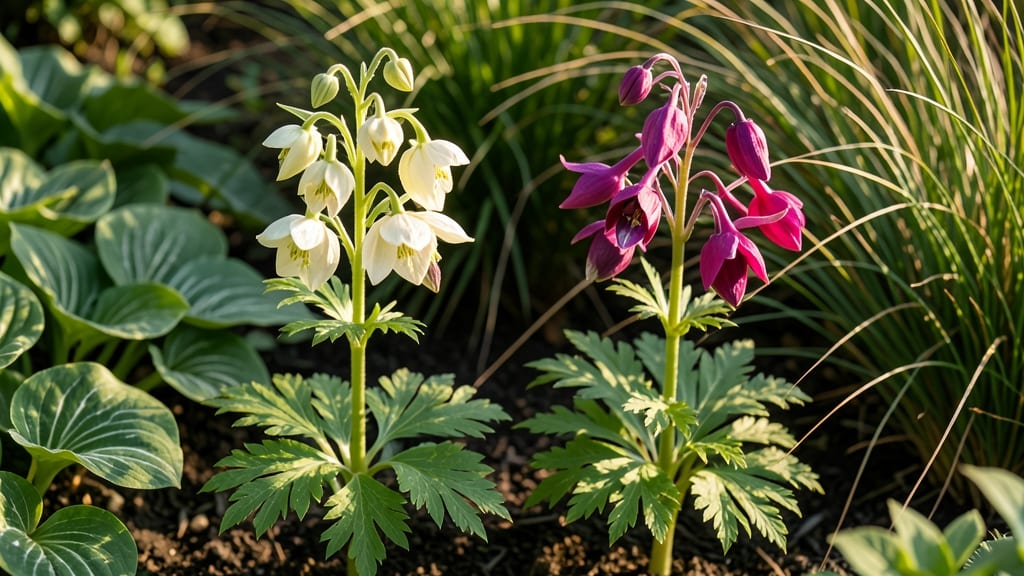
Columbines don't bloom all summer continuously—their primary flowering occurs in spring through early summer, with occasional sporadic blooms in fall. Proper care can help prolong blooms but won't create year-round flowers.
Columbines follow a natural seasonal rhythm tied to temperature and daylight changes. 🌸 Most varieties bloom heavily in spring when days lengthen, then pause mid-summer as heat increases, before producing a smaller second flush in fall. Biennial types may even skip summer blooms entirely, focusing energy on root development.
The key to encouraging extended blooms lies in deadheading spent flowers and maintaining consistent moisture—both tricks help signal the plant to keep producing rather than conserving energy.
What many gardeners don't realize is that columbines actually prefer cooler conditions for their best flowering. 🌿 The mid-summer lull isn't a sign of failure—it's their built-in survival mechanism. With the right care, you can coax them into reblooming in fall, but don't expect nonstop color.
Think of them as seasonal performers rather than continuous bloomers, and you'll appreciate their unique charm even more.
💡 In This Article
- Understanding Columbine Flowering Seasons and Triggers
- Tips to Extend Columbine Blooms Beyond Early Summer
Understanding columbine flowering seasons and triggers
Columbines follow a photoperiodic response—their blooming cycle is triggered by day length and temperature shifts. 🌿 Most varieties burst into color in late spring (April-May) when daylight exceeds 14 hours, signaling the plant to prioritize flowering over foliage growth.
This aligns with their natural habitat in mountainous regions where spring is brief but intense. The 30-50°F temperature range during this period also stimulates bud formation, while summer's heat (above 80°F) often causes them to enter dormancy.
The biennial vs. perennial distinction matters significantly. Biennial columbines (like Aquilegia vulgaris) focus their first year on root and leaf development, saving energy for a single spring bloom before setting seeds. Perennials like Aquilegia canadensis can rebloom annually but still follow the same seasonal cues.
What's fascinating is how their spurred flowers actually help regulate blooming—their unique shape attracts pollinators during optimal conditions, while poor pollination triggers the mid-summer pause.
That mid-summer lull isn't laziness—it's survival strategy. 🌡️ As temperatures climb, columbines conserve water by reducing leaf transpiration and redirecting energy to root growth. This explains why they often produce only 10-30% of their spring bloom volume in fall.
The sporadic fall flowers you might see occur when days shorten below 12 hours and temperatures dip into the 50-60°F range, mimicking their native mountain climate triggers.
Light exposure plays a subtle but crucial role too. Columbines planted in partial shade (3-6 hours of direct sun) tend to bloom longer than those in full sun, which can stress the plants during summer's peak.
The cooler soil temperatures in shaded locations help maintain consistent moisture levels—another key factor in extending their blooming window. What's less obvious is how their self-pruning habit works: as flowers fade, the plant automatically sheds them, redirecting energy to new growth rather than seed production.
Consider this comparison: A red columbine in Zone 5 might bloom for 6-8 weeks in spring, pause for 10-12 weeks in summer, then produce 2-4 weeks of fall color, while a blue columbine in Zone 8 could stretch spring blooms to 8-10 weeks with milder summer interruptions.
The variation shows how climate interacts with their genetic programming.
What most gardeners overlook is how soil pH (ideal range: 6.0-7.5) affects their blooming windows. Acidic soils (pH < 6.0) can delay spring blooming by 1-2 weeks while making fall reblooms more reliable.
This is why amending with crushed limestone often produces better results than expected—it's not just about nutrients, but creating the right chemical environment for their seasonal triggers.