
Flowers
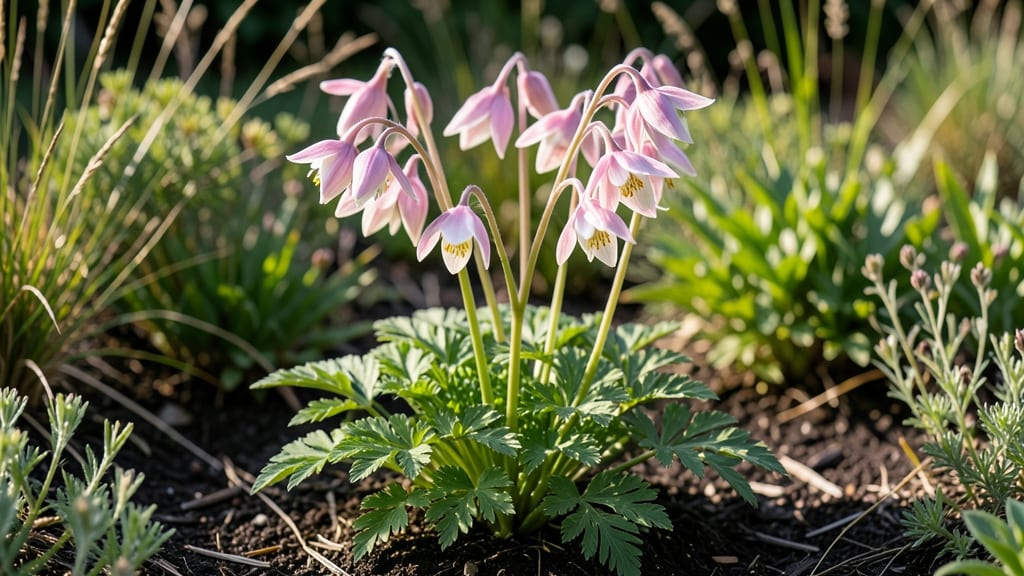
Columbine flowers do not bloom all summer continuously—most varieties produce spring-to-early summer blooms, though some rebloom sporadically if deadheaded or grown in ideal conditions. Perennial types may extend flowering into late summer with proper care.
Columbine blooms thrive in cool weather, which is why their peak season aligns with spring and early summer. 🌸 The transition to hotter months often triggers dormancy in many varieties, though some hardy perennials like Aquilegia canadensis (wild columbine) may surprise you with sporadic blooms if conditions stay favorable.
I've seen gardeners in cooler climates coax extended flowering by providing afternoon shade and consistent moisture—small adjustments that make a big difference.
What sets columbine apart is their adaptability. Annual varieties typically bloom once and fade, while perennials may reward you with second flushes if you remove spent blooms regularly.
The key is understanding your specific variety's tendencies—some, like the McKana Giant hybrids, are bred for prolonged displays, while others prioritize early-season spectacle.
💡 In This Article
- Columbine Flowering Seasons by Variety
- Tips to Extend Columbine Blooms Beyond Early Summer
Columbine flowering seasons by variety
Columbine flowering patterns vary dramatically by species and type. Annual varieties like Aquilegia vulgaris typically bloom for just 4-6 weeks in spring, producing their vibrant, nodding flowers as daytime temperatures hover around 50-65°F.
These early bloomers prioritize energy for seed production over extended displays, which is why they fade by early summer. In contrast, perennial types such as Aquilegia canadensis (wild columbine) may stretch their blooming season into late summer if conditions remain cool and moist.
The key difference lies in their biological clocks. Annual columbines follow a strict one-time bloom cycle tied to photoperiod (day length), while perennials often have two bloom phases: a primary spring flush and a secondary late-summer rebloom triggered by specific temperature thresholds.
For example, the McKana Giant hybrids, bred for garden performance, can extend blooming by 6-8 weeks when deadheaded consistently—though even these won't match the 10+ week displays of some late-blooming peonies.
Climate plays a huge role in these timelines. In USDA Zones 3-5, columbines often bloom earlier and may rebloom in fall when temperatures dip again. I've observed that in Zone 7, where summers are hotter, most varieties finish blooming by early June unless provided with afternoon shade.
The plant's native alpine and woodland habitats explain this sensitivity—columbines evolved to thrive in cooler, shaded conditions where summer heat would be rare.
Here's what the science shows: Columbine flowers are thermally sensitive, with optimal blooming occurring at 60-70°F daytime temperatures. When soil temperatures exceed 75°F, many varieties enter a form of dormancy, halting flower production until cooler weather returns.
This is why gardeners in warmer climates often see shorter bloom seasons unless they take proactive steps like mulching or providing shade.
Consider these variety-specific patterns:
- Early bloomers: Aquilegia vulgaris (spring only, 4-6 weeks)
- Mid-season extenders: Aquilegia canadensis (spring to early summer, 6-8 weeks with care)
- Long-season hybrids: McKana Giant (spring to late summer, 8-10 weeks with deadheading)
- Late-season surprises: Some Aquilegia formosa varieties (Pacific Coast natives) may bloom sporadically in fall
The takeaway? Your columbine's blooming duration is 80% determined by variety and 20% by growing conditions. While no columbine will bloom continuously all summer like a zinnia or cosmos, the right care can significantly extend their display—sometimes by nearly 50% compared to their natural cycle. 🌿