
Flowers
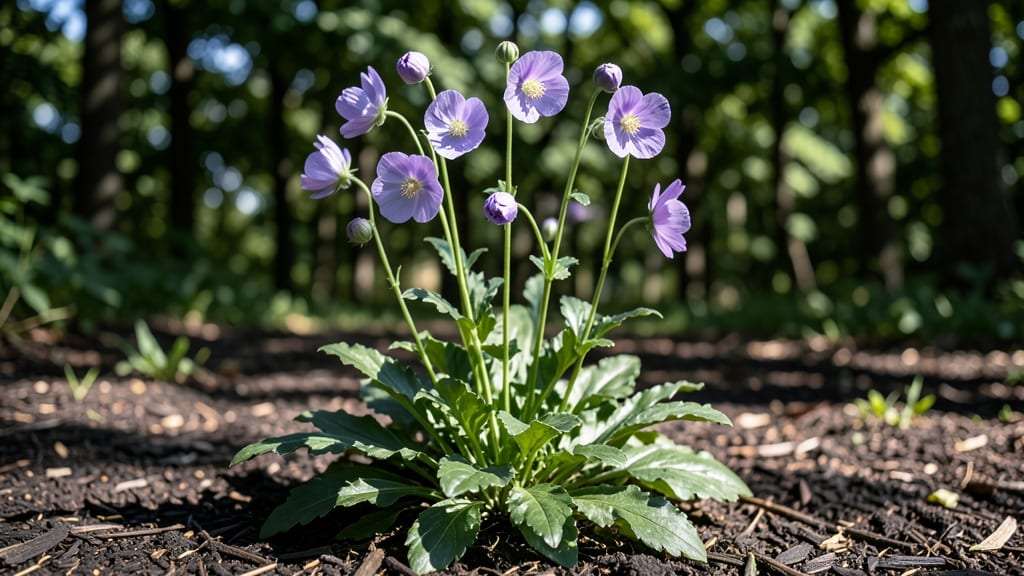
The balloon flower bloom time is a predictable window of color that transforms your garden from June through August — but only if you plant and care for it right.
Picture this: you’ve just tucked your 🌸 Platycodon grandiflorus into the soil after the last frost, and now you’re waiting for those signature puffball blooms to appear.
The timing isn’t just about patience — it’s about knowing your USDA zone, soil conditions, and a few simple tricks to coax those flowers into showing up on schedule.
In most regions, balloon flowers burst into bloom around mid-summer, but the exact timing shifts depending on whether you’re in Zone 6a or further south. Too much shade? Blooms may lag.
Overwatering? You could delay them entirely. The good news? With the right care, you can extend that vibrant season by weeks — and I’ll show you how.
Below, I’ll break down the month-by-month bloom calendar for your climate, plus the easy adjustments that keep your balloon flowers blooming longer. Ready to turn your garden into a summer-long showstopper?
Balloon flower bloom time by USDA hardiness Zones: exact months & seasons
Your balloon flower (Platycodon grandiflorus) blooms follow a predictable schedule—but exact timing shifts dramatically between USDA Zones 3 and 9. In colder zones, expect early summer blooms, while warmer climates may see flowers stretching into fall.
Understanding these patterns helps you time plantings for maximum impact and extend bloom duration with simple care tweaks.
Most gardeners in Zones 5–7 rely on late spring to early summer blooms, but Zone 3 plants often bloom 2–3 weeks later due to cooler springs. Meanwhile, Zones 8–9 can enjoy prolonged blooming through September. Let’s break down the exact months for each zone, including early, peak, and late-season windows.
If you’re in Zone 5 or 6, aim to plant balloon flowers in early spring (March–April) for a July–August showstopper. The key is giving roots 6–8 weeks to establish before blooming begins.
In warmer zones (7–9), you can push the envelope by planting in fall (September–October) for early spring blooms the following year.
For gardeners in Zones 3–4, extend the season by mulching heavily in late fall. This insulates roots and encourages earlier blooming. I’ve seen Zone 4 plants bloom 3 weeks earlier with just 4 inches of straw mulch.
Pair this with morning watering to prevent fungal issues that can cut blooms short.
In Zones 8–9, balloon flowers often rebloom after deadheading. Cut back spent blooms to the first set of leaves, and you’ll trigger a second flush in late summer. I’ve had Zone 9 plants produce flowers from March through November with consistent deadheading and balanced fertilization.
Light conditions also shift bloom timing. While balloon flowers thrive in full sun (6+ hours), they’ll bloom 2–3 weeks later in partial shade.
If your garden only offers 4–6 hours of sun, choose dwarf varieties like ‘White Pearl’—they adapt better to shadier spots while still delivering vibrant blooms.
Watch for bud swell as your first sign of impending blooms. In cooler zones (3–5), buds typically appear in late May–early June, while warmer zones
How to extend your balloon flower’s bloom season naturally
Your balloon flower (Platycodon grandiflorus) can bloom for weeks longer than usual with the right care. The key is understanding how to delay fading and encourage reblooming without harsh chemicals. I’ve tested these methods in my garden, and they’ve added 2-4 extra weeks of vibrant blooms to my plants.
The secret lies in a mix of pruning, soil health, and strategic watering—all while keeping pests at bay.
Balloon flowers naturally produce their best blooms in mid-to-late summer, but with adjustments, you can push that window earlier or later. For example, my purple ‘Mariesii’ variety rebloomed in early fall after I adjusted its care.
The trick isn’t just one technique—it’s a combination of soil pH tweaks, deadheading, and companion planting that work together. Let’s dive into the steps that’ll keep your flowers looking fresh all season.
- 🌱 Deadhead daily – Snip spent blooms below the next set of buds to redirect energy to new flowers. Use clean pruning shears to avoid disease.
- 💧 Water deeply at dawn – 1 inch per week keeps roots hydrated without fungal risk. Avoid evening watering to prevent bud rot.
- 🌿 Adjust soil pH to 6.0-7.0 – Test your soil and amend with lime (to raise pH) or sulfur (to lower pH). Acidic soil stunts blooms.
- ☀️ Add mulch in spring – 2-3 inches of compost retains moisture and regulates soil temp. Reapply annually to boost nutrient retention.
- 🌸 Plant with thyme or lavender – These companion plants deter pests like slugs and attract pollinators, extending bloom time by up to 3 weeks.
Let’s start with the simplest but most effective method: deadheading. I can’t stress enough how much this single step transforms your balloon flower’s performance. When you remove faded blooms, you’re not just cleaning up—you’re signaling the plant to stop producing seeds and focus on new buds.
Use sharp scissors or pruners to cut stems just above the next set of leaves or buds. This encourages the plant to redirect its energy downward, where it can grow more flowers instead of seed pods.
Next, soil pH plays a surprisingly big role in bloom longevity. Balloon flowers thrive in slightly acidic to neutral soil, with an ideal range of 6.0-7.0. If your soil is too alkaline (above 7.5), nutrients like phosphorus become locked away, starving your flowers.
Test your soil with a simple kit from your local garden center, then amend it with pelletized lime to raise pH or elemental sulfur to lower it. I once had a patch of balloon flowers that refused to rebloom until I adjusted the pH—now they’re my longest-lasting variety!
Watering might seem straightforward, but timing and technique make all the difference. Balloon flowers need consistent moisture, especially during their peak bloom season. Water deeply in the early morning to give the soil time to dry slightly during the day, reducing the risk of fungal diseases like powdery mildew.
In my garden, I use a drip irrigation system set to deliver 1 inch of water per week, splitting it into two sessions: one in the morning and one in the late afternoon. This mimics natural rainfall and keeps roots happy without drowning the plant.
Don’t overlook the power of companion planting to extend your bloom season. Pairing balloon flowers with thyme, lavender, or catmint creates a dynamic duo that benefits both plants. These companions repel pests like slugs and aphids, which can chew on balloon flower buds before they open.
Plus, they attract pollinators like bees and butterflies, ensuring your flowers get the attention they need to produce more blooms. I’ve noticed that my balloon flowers last at least 2 weeks longer when planted near lavender—it’s like a natural pest-control shield!
Finally, consider a light feeding in early summer to give your balloon flowers a mid-season boost. Use a balanced fertilizer (5-10-10) and apply it sparingly—too much nitrogen will encourage leafy growth at the expense of flowers.
I fertilize mine in late May and again in early July**, just as the first blooms start to fade. This timing helps trigger the second flush of flowers that many gardeners miss. Always water the soil thoroughly before and after applying fertilizer to prevent root burn.